






PVC Corrugated Roofing Sheets
Polycarbonate Corrugated Roofing Sheets
Showing all 9 results
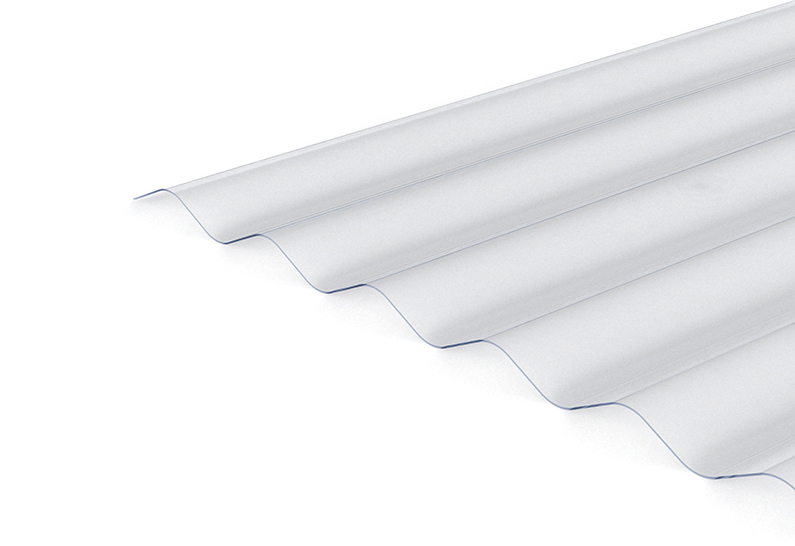


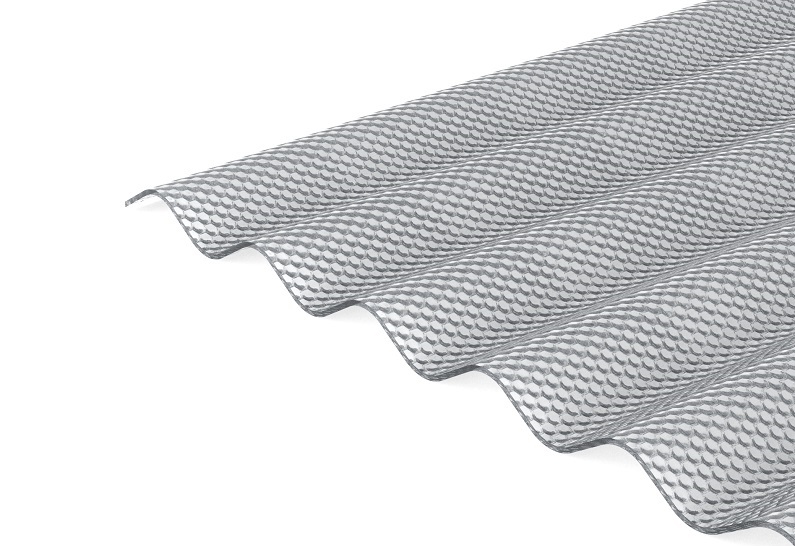

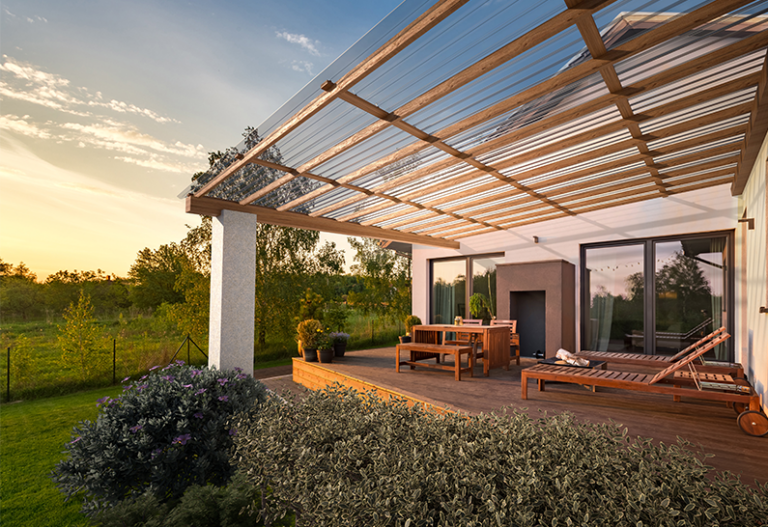
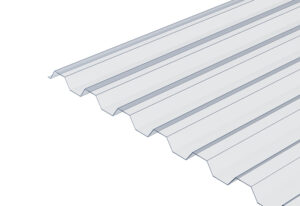
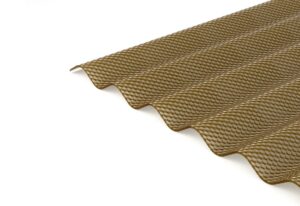
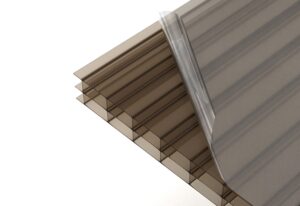
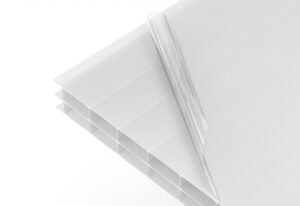
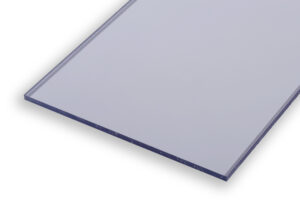
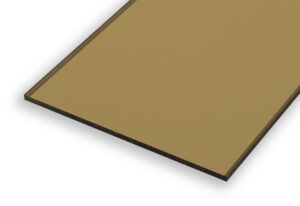
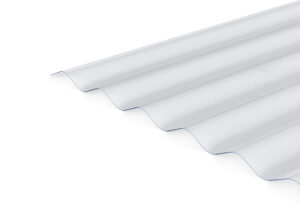
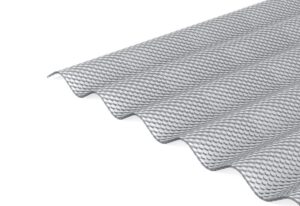
Around 90% for clear Palruf PVC and 87% for Suntuf Beehive clear polycarbonate, which is almost as bright as an open sky. The Beehive sheet diffuses 100% of that light, so it is bright without glare or hard shadows. Standard clear Suntuf polycarbonate is rated at 90%. For comparison, the bronze Beehive tint passes just 33%.
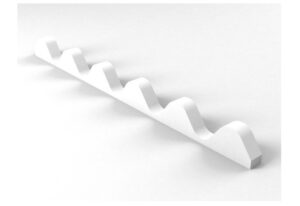
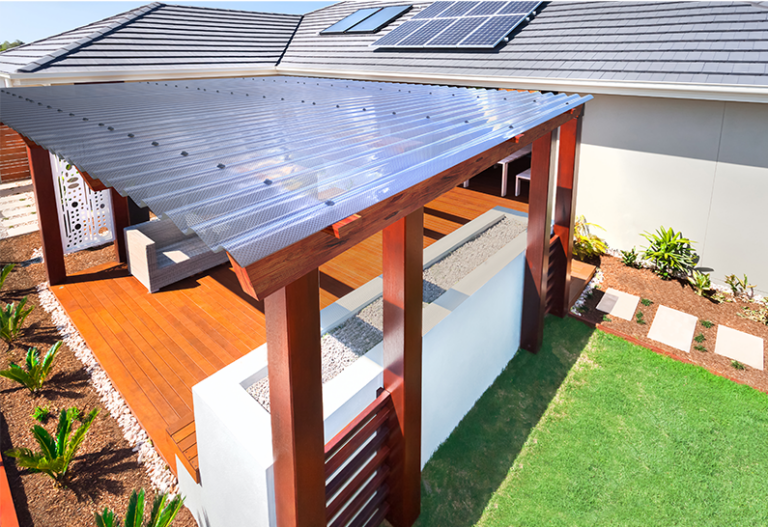
Polycarbonate yes, PVC no. Suntuf clear polycarbonate suits both, because it handles the heat and humidity of an enclosed greenhouse and the exposure of a carport. The manufacturer does not recommend Palruf PVC for enclosed structures such as greenhouses, so keep it for open-sided covers. For a greenhouse, remember that a corrugated roof needs foam eaves fillers and sealed laps to stop draughts.
Corrugated polycarbonate is far more forgiving than glass. Its manufacturer describes Suntuf as virtually unbreakable and hail and impact resistant. Palruf PVC is impact resistant too, though it ranks below Suntuf. A corrugated Suntuf sheet also weighs only around 1kg per square metre. We cannot give a times-stronger-than-glass figure for corrugated sheets, as none is published.
Yes. UV protection comes from the sheet's protective layer, not its colour. Clear and bronze Suntuf share the same co-extruded UV layer that blocks up to 99.9% of UV, so the clear sheet protects itself and what sits beneath it just as well. The tint only changes how much visible light and heat pass through. Always fit the marked UV side facing the sky.
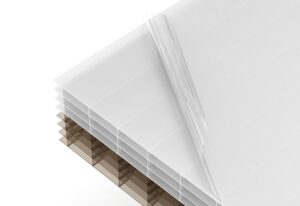
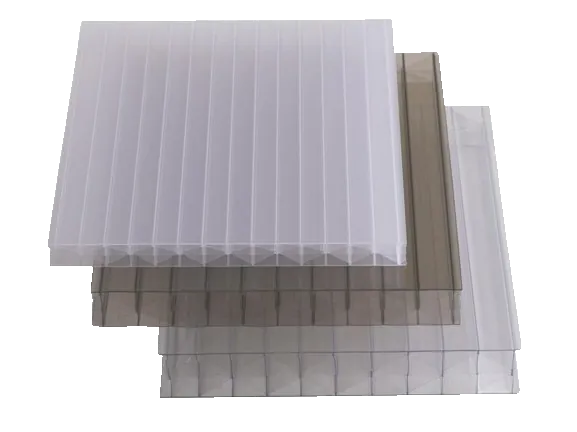
Yes, as long as the profiles match so the side laps sit together. Mixing clear and bronze Suntuf Beehive is straightforward because both are 1045mm wide on the same profile, which lets you put daylight over a seating area and shade over a storage area. Do not mix polycarbonate with bitumen on one slope. The profiles, fixings and pitch rules differ.