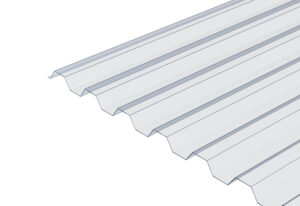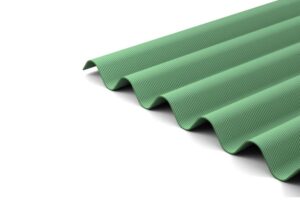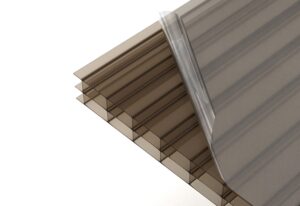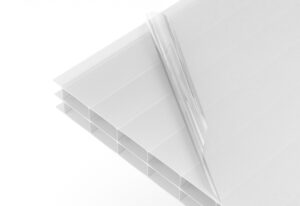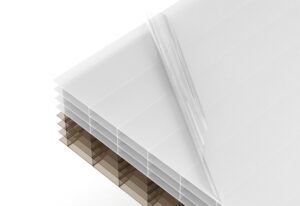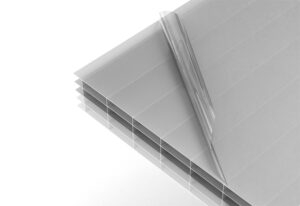










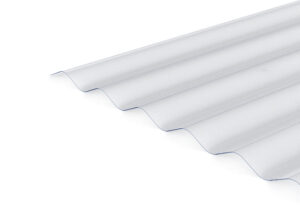
PVC Corrugated Roofing Sheets
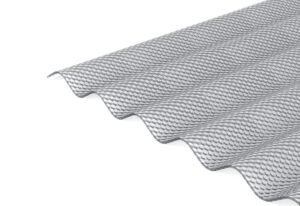
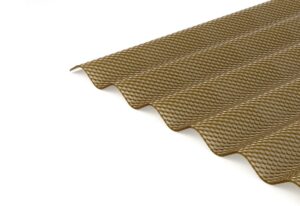
Polycarbonate Corrugated Roofing Sheets
Showing all 8 results
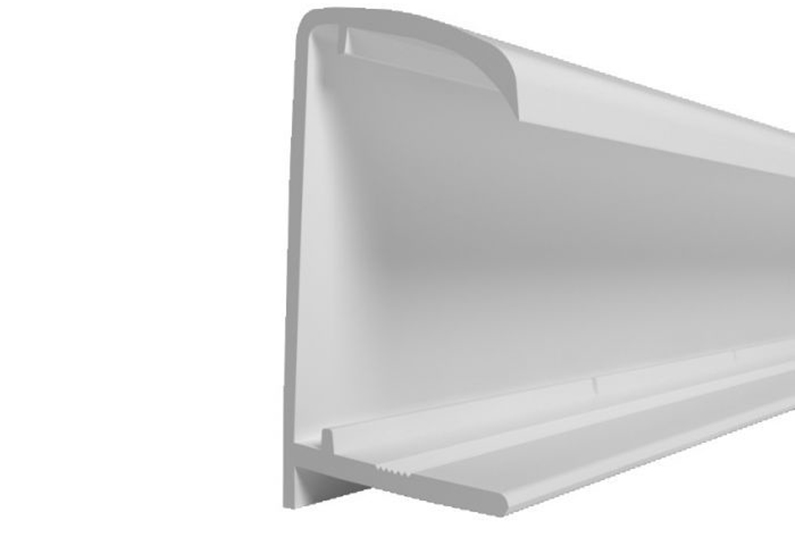
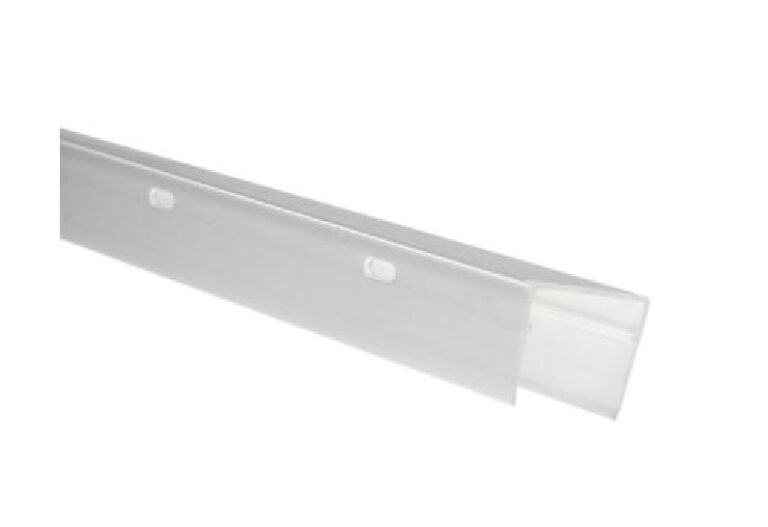
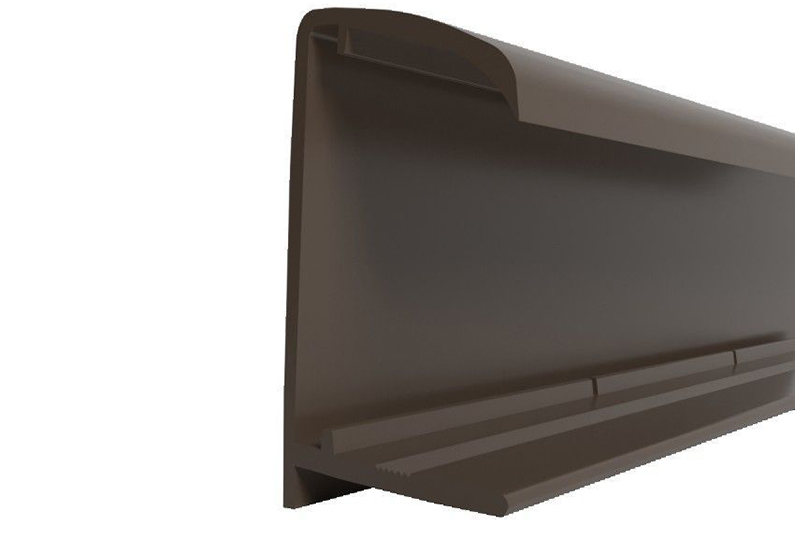
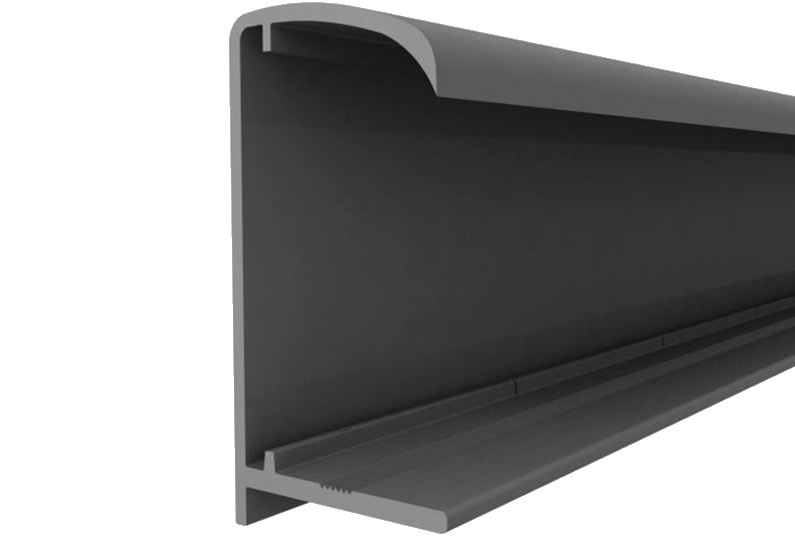
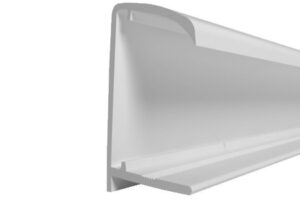
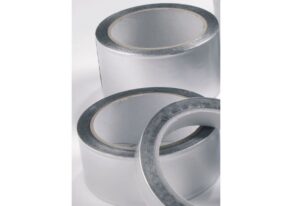
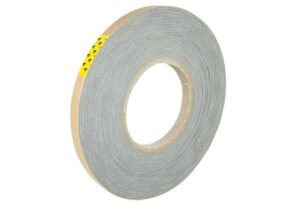
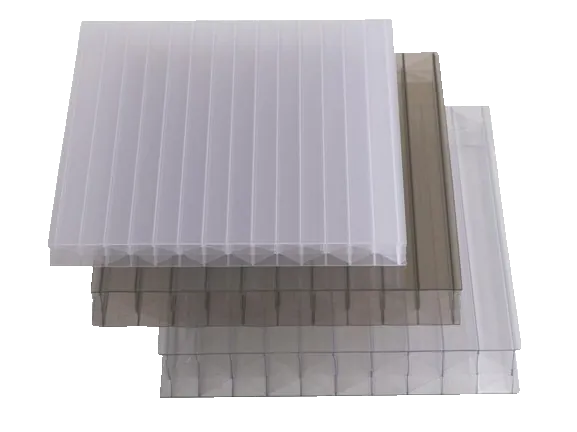
Over the tape, always. Tape the open flutes first, aluminium tape at the top end and perforated breather tape at the bottom, then push the PVC closure on over it. The tape seals the flutes against dust and insects; the closure protects the tape from weather and gives the drip edge. A closure on a bare sheet leaves the flutes open to dirt.
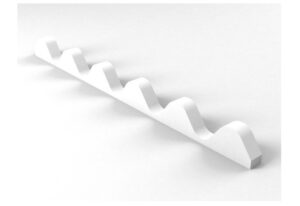
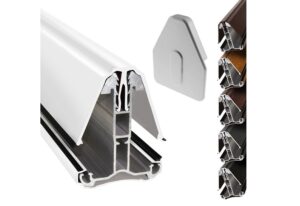
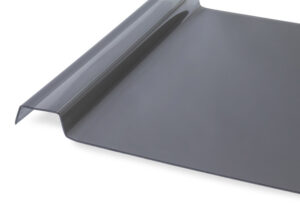
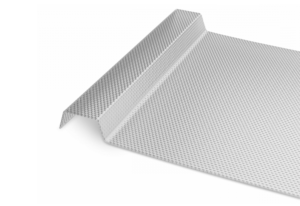
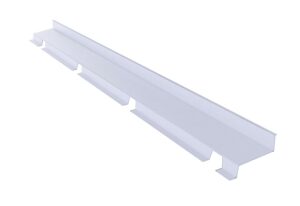
A hacksaw or a pair of snips. The closure is a PVC profile, so either tool cuts it cleanly. Our closures come in 2.1, 2.5 and 5m lengths, so buy the length that leaves least waste for your sheet widths. Measure the taped sheet edge and cut to that width.
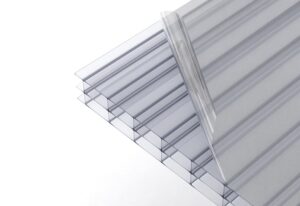
Yes. The closure has an internal track that stops the sheet touching the back of the profile, so it never sits flush and condensation can drain out. To fit it, peel the protective film back 50mm, tape the sheet end, cut the closure with a hacksaw or chop saw, run a bead of silicone along the top section and push it on.
Yes. Run a bead of silicone along the top of the tape before you push the closure on. The silicone holds the closure on the taped end and seals the gap between profile and sheet. Take care not to block the drainage holes or the drip edge with sealant, since the closure relies on both to shed water.
Because the two do different jobs. Tape seals the open flutes against dust and insects, and at the bottom lets moisture breathe out. But tape has no drip edge, so water can run back into the flutes. The PVC closure protects the tape, adds a drip edge and drainage holes, and gives the sheet end a fixed finish. You need both.