








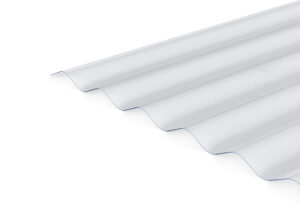
PVC Corrugated Roofing Sheets
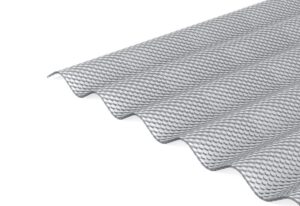
Polycarbonate Corrugated Roofing Sheets
Showing all 5 results

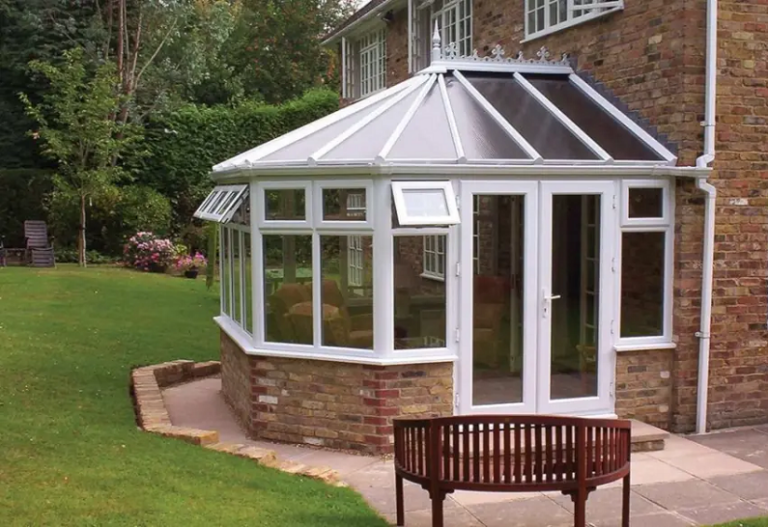
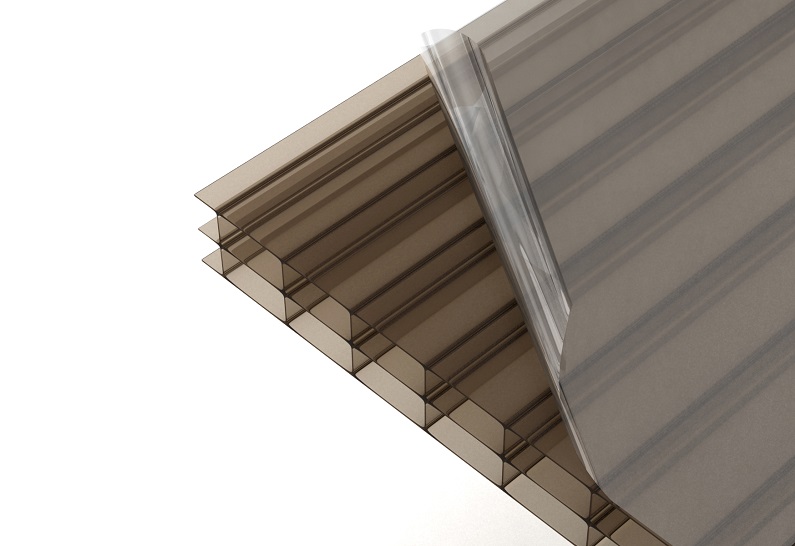
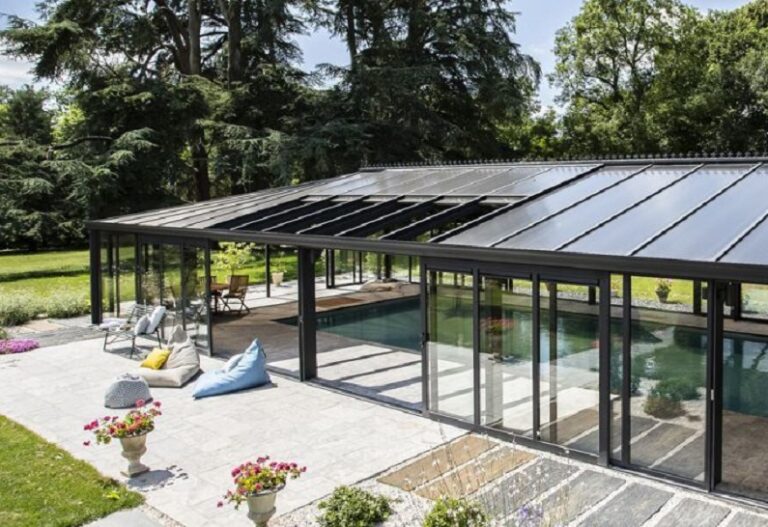
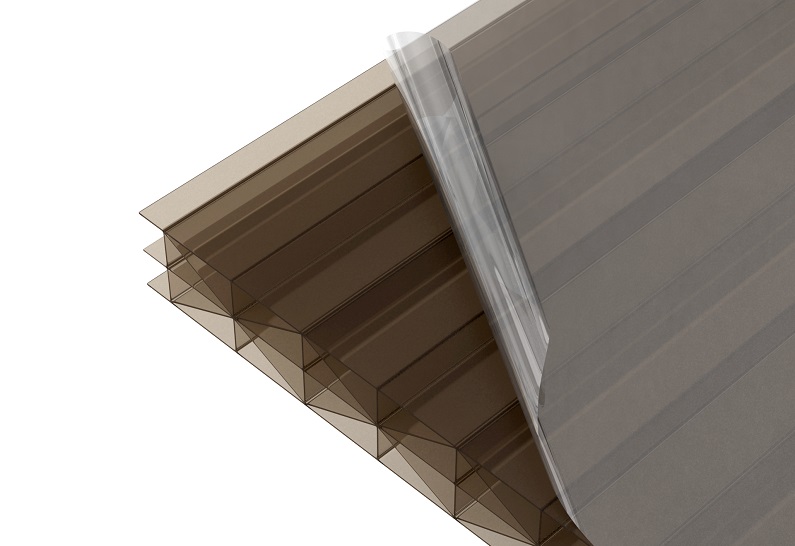
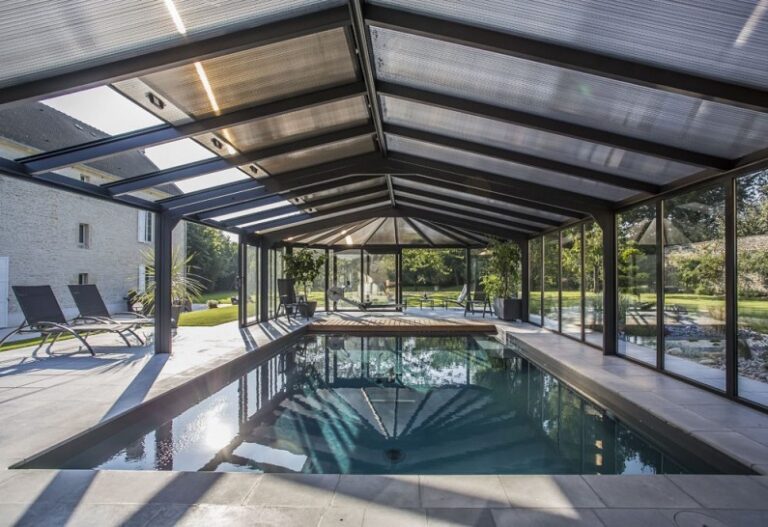
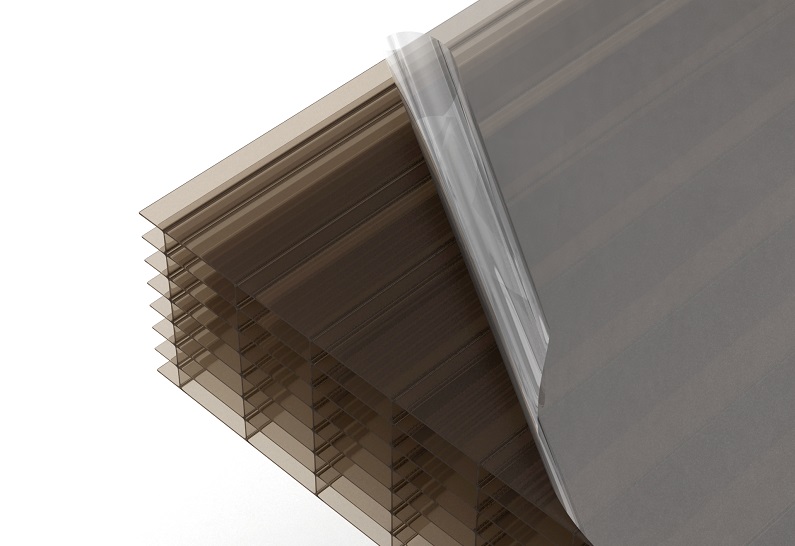
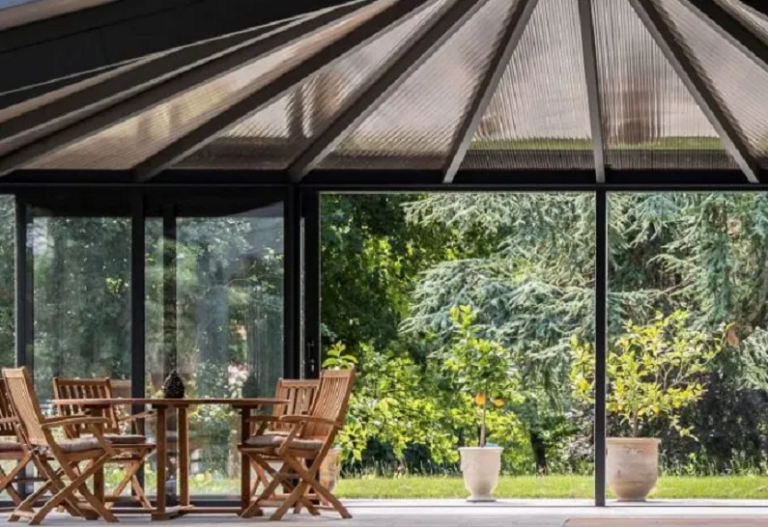
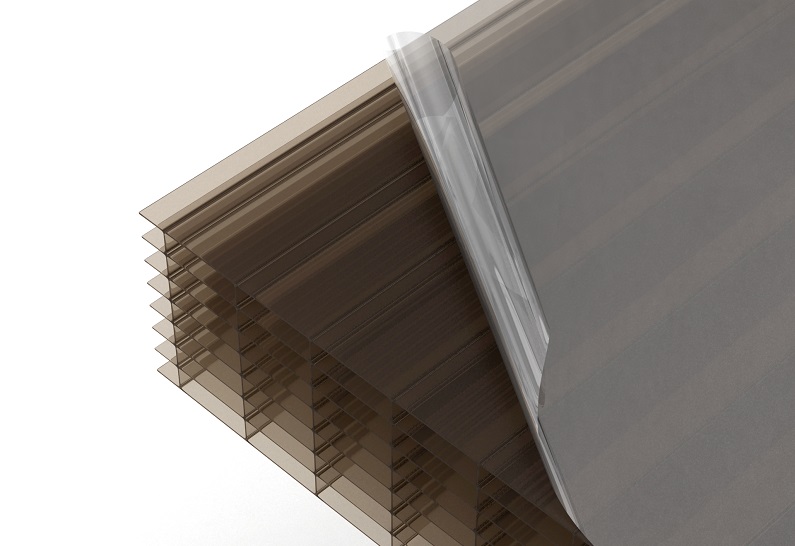
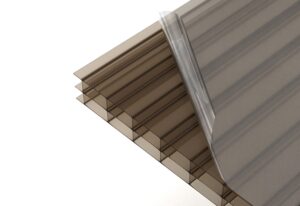
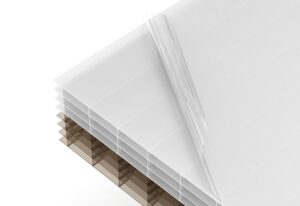
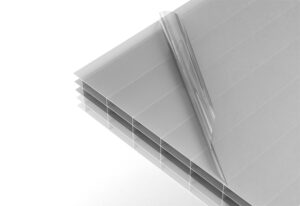
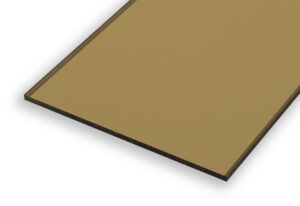
A bronze tint absorbs part of the sun's energy, so the space beneath warms less than under a clear sheet and glare drops noticeably. The effect is moderate. Bronze/opal dual colour and opal heat guard cut solar heat by up to 50% compared with clear, so choose one of those for a south-facing conservatory that overheats.
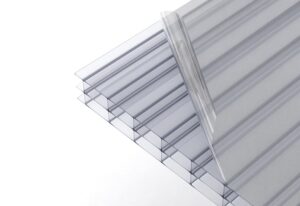
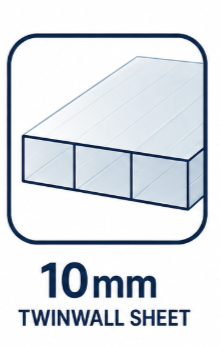
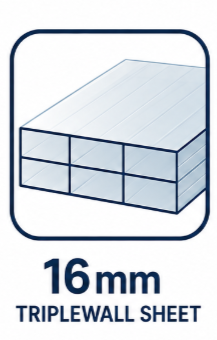
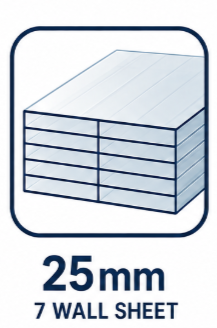
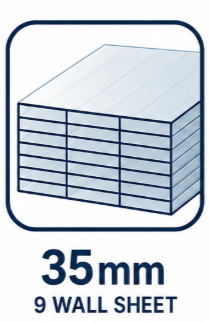
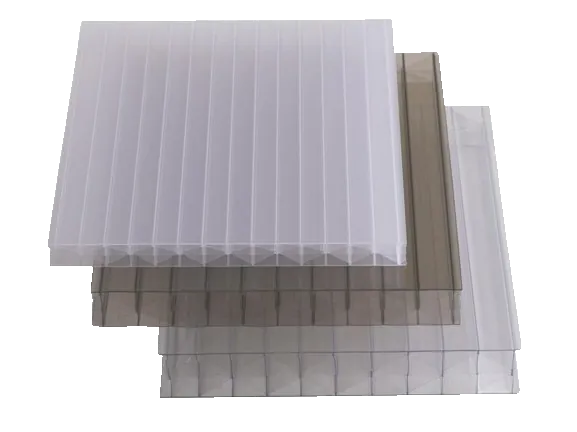
Bronze is available in 10mm twinwall and in 16, 25, 32 and 35mm multiwall. That covers carports and canopies at 10mm and 16mm, and conservatory roofs at 25mm and above. Every size is cut to your measurements from sheets up to 2100mm by 7000mm, with a plus or minus 5mm tolerance. Cut sheets are non-returnable.
A little, in daylight. The tint makes the interior look darker and less distinct from outside in bright sun, because bronze passes roughly half to two thirds less light than clear. It is not a privacy screen. After dark, with the lights on inside, the room shows through a bronze sheet. Opal is the better choice if you want to obscure the view.
Yes. On a carport or canopy, 10mm or 16mm bronze cuts glare and gives useful shade. On a conservatory, 25mm or thicker bronze reduces glare and takes the edge off summer heat while insulating like clear of the same thickness. For a south-facing conservatory that gets too hot, bronze/opal or heat guard cut solar heat further.
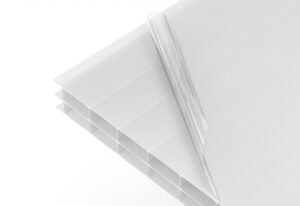
Bronze usually passes a little more light than opal. At 10mm, bronze lets through about 35% and opal about 30%. At 25mm, bronze is about 25% and opal about 15%. The character of the light differs more than the amount: bronze gives a warm, shaded light with visible shadows, while opal spreads the light evenly with no glare.
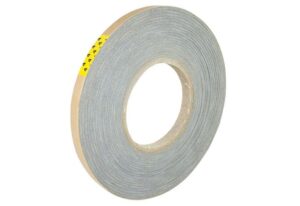
Pre-taped edges mean that protective tapes have already been applied to the open ends of your multiwall polycarbonate sheets before delivery, saving you time during installation.
At The Polycarbonate Store, our complimentary pre-taping service is available on 10mm, 16mm, 25mm, 32mm and 35mm twinwall and multiwall polycarbonate sheets.
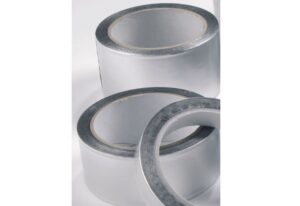
The two open ends of the sheet's hollow channels (flutes) are taped differently:
For a standard sloping roof, the aluminium-taped edge must be positioned at the top, with the breather-taped edge at the bottom, towards the gutter. The tapes should remain in place during installation.
Important: Pre-taping only covers the two open flute ends, not all four sides of the sheet. It does not replace the need for PVC sheet end closures, which should be fitted over the taped edges to provide additional protection and a neat finish. Pre-taping also does not completely prevent condensation.
During preparation, approximately 10mm of protective film is removed from each taped end. This may leave a visible preparation line, which is normally concealed by the roofing accessories. If you need to trim a pre-taped sheet, the newly exposed flutes must be cleaned and re-taped correctly before installation.
For curved roofing or other applications, the required tape arrangement may differ. Please contact us before ordering if you are unsure.
For further information, read our full guide: What Do Pre-Taped Edges Mean on Multiwall Polycarbonate Sheets?