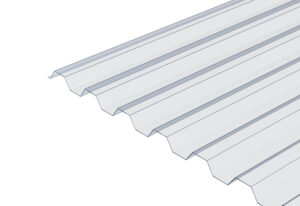









PVC Corrugated Roofing Sheets
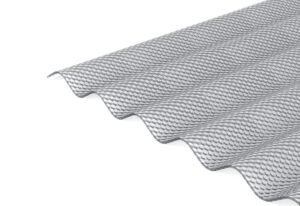
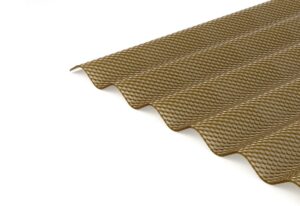
Polycarbonate Corrugated Roofing Sheets
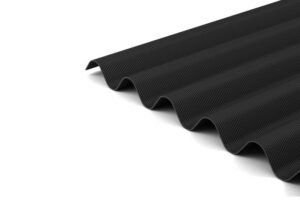
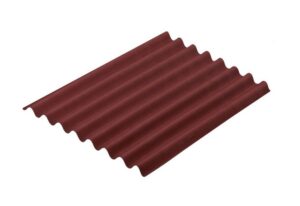
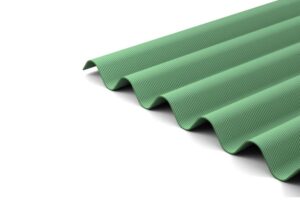
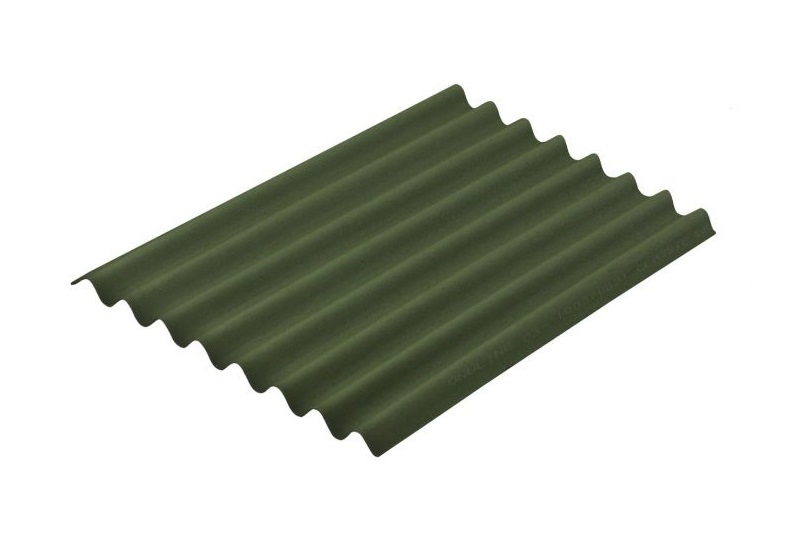
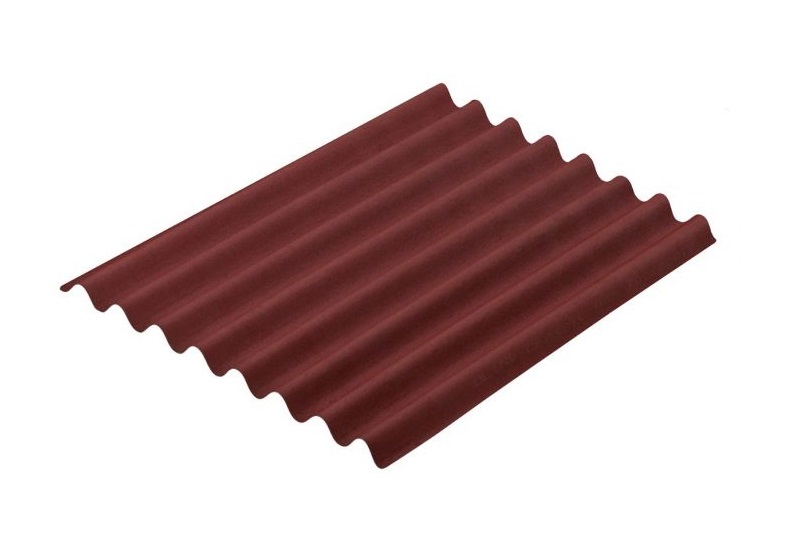
Bitumen corrugated sheets are a robust and versatile roofing solution, perfect for a variety of applications. Constructed from high-quality bitumen, these sheets are designed to withstand harsh weather conditions, offering excellent durability and resistance to UV rays.
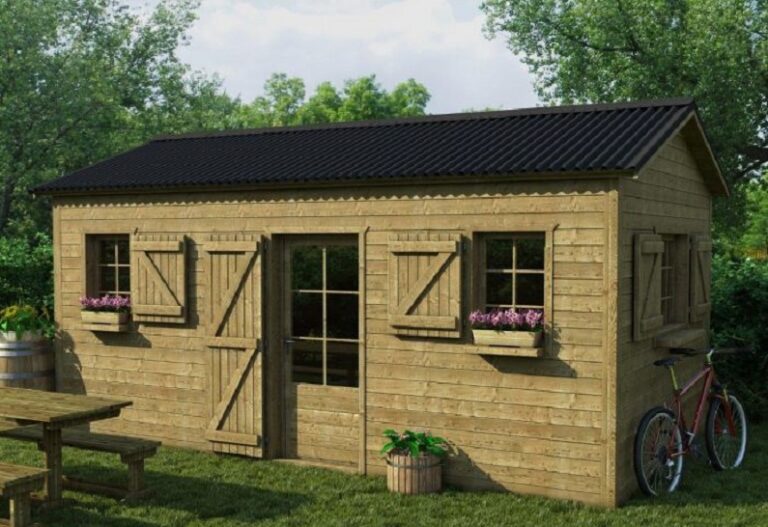
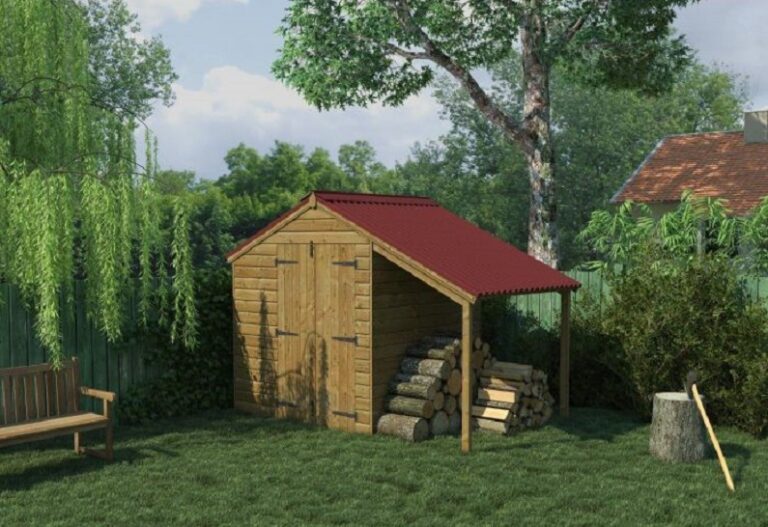
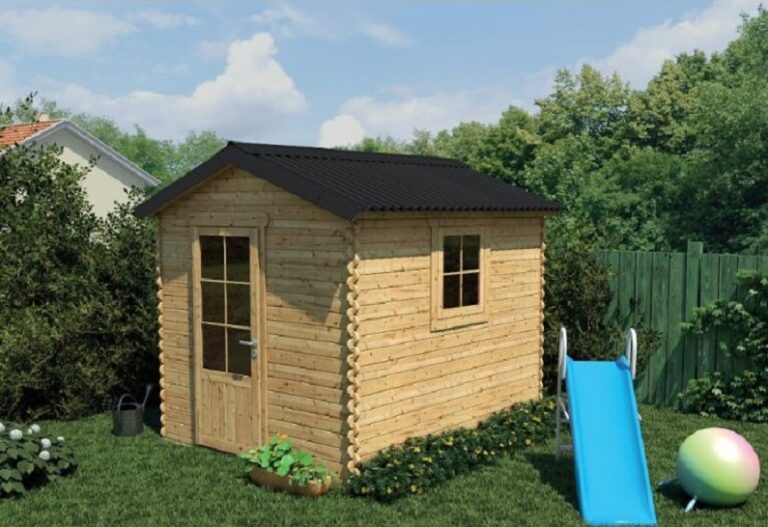
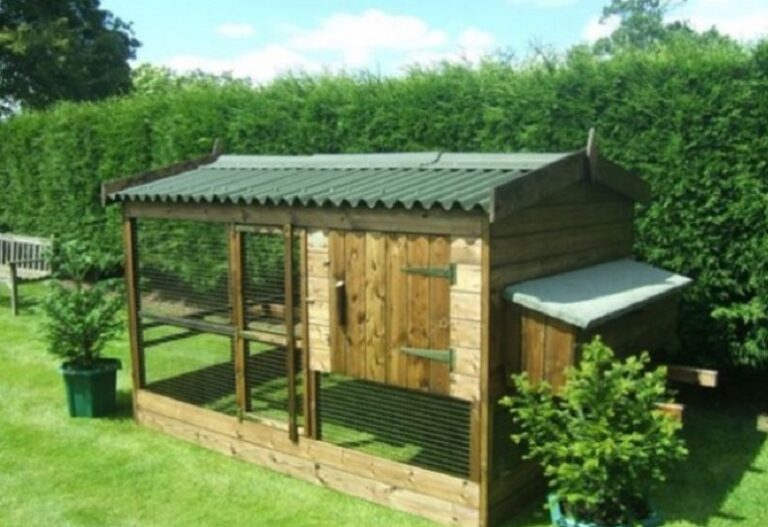
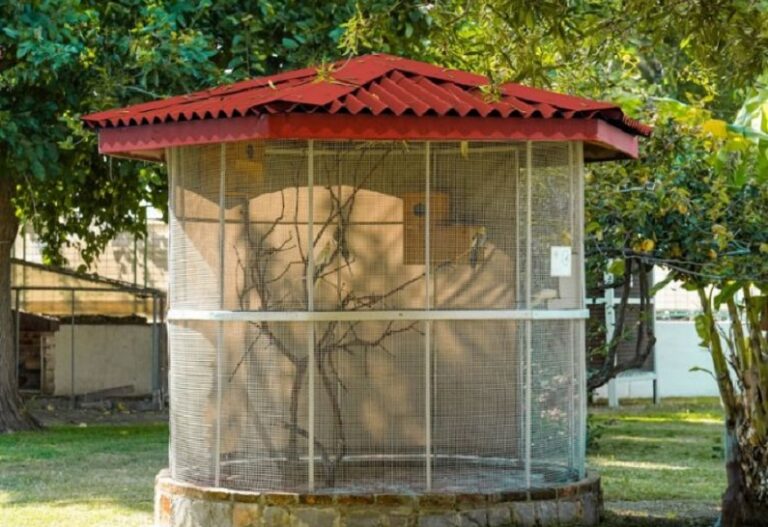
Lightweight and easy to install, they are ideal for sheds, carports, greenhouses, and agricultural buildings. Available in various colours, bitumen corrugated sheets provide a practical and aesthetically pleasing option for enhancing your outdoor structures.
Showing all 7 results
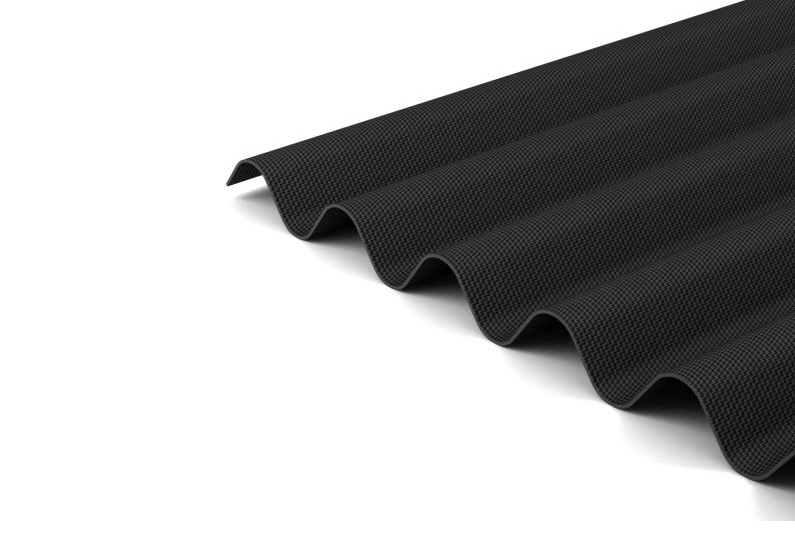
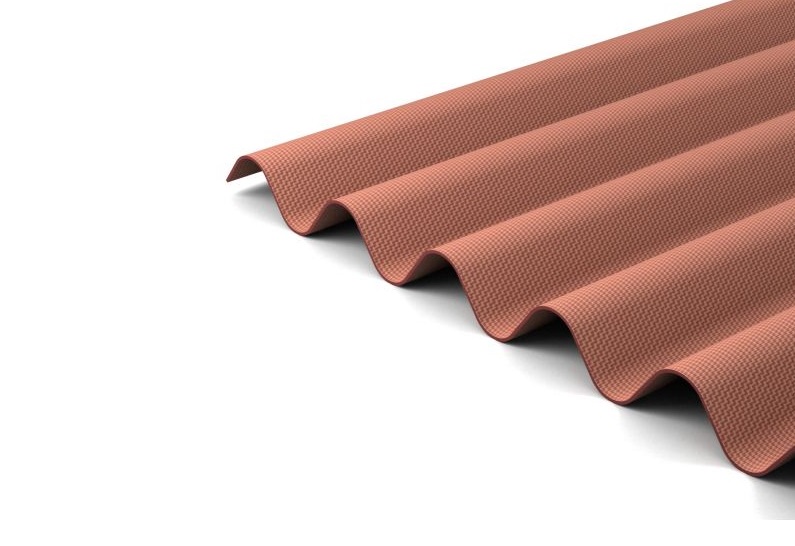
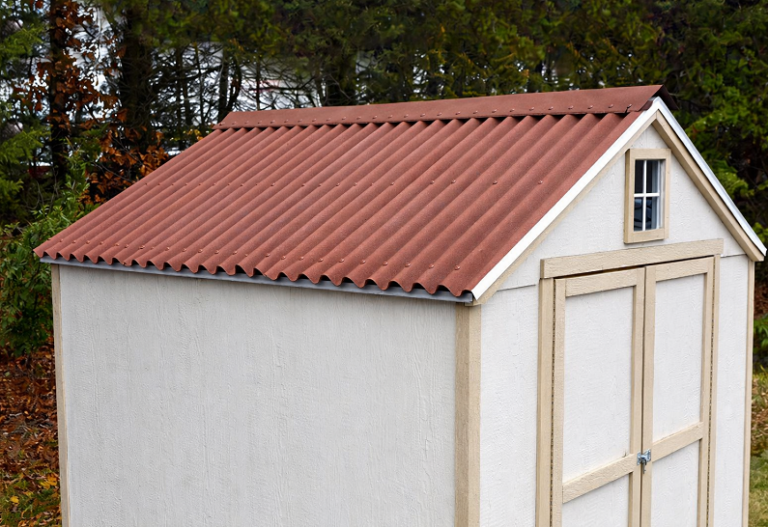
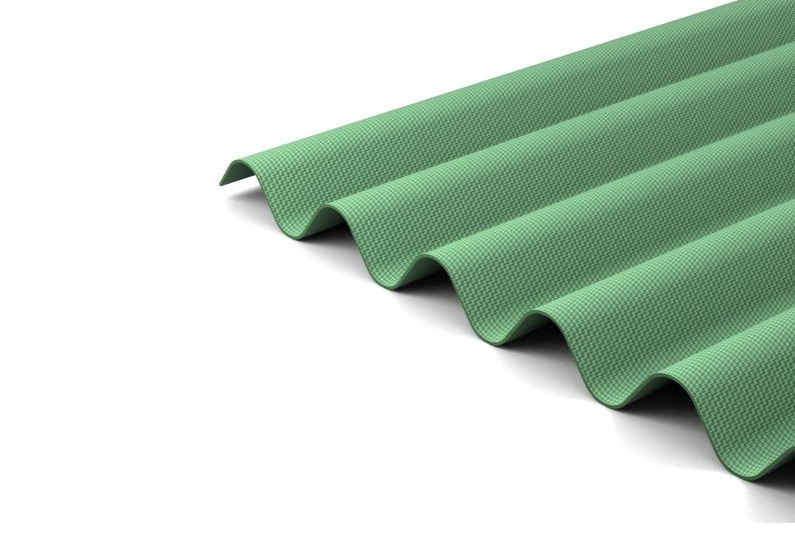
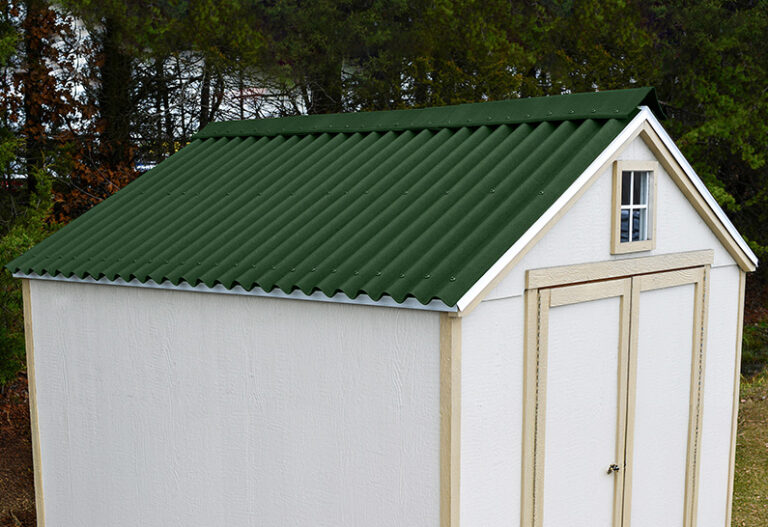
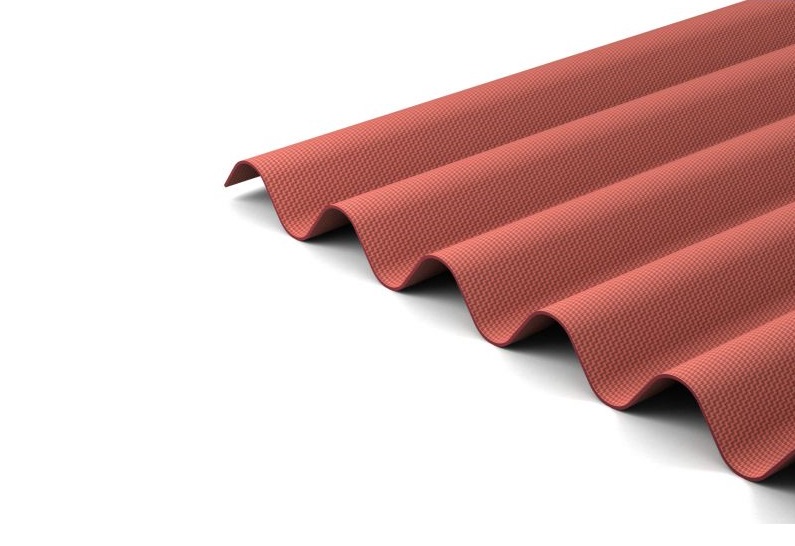
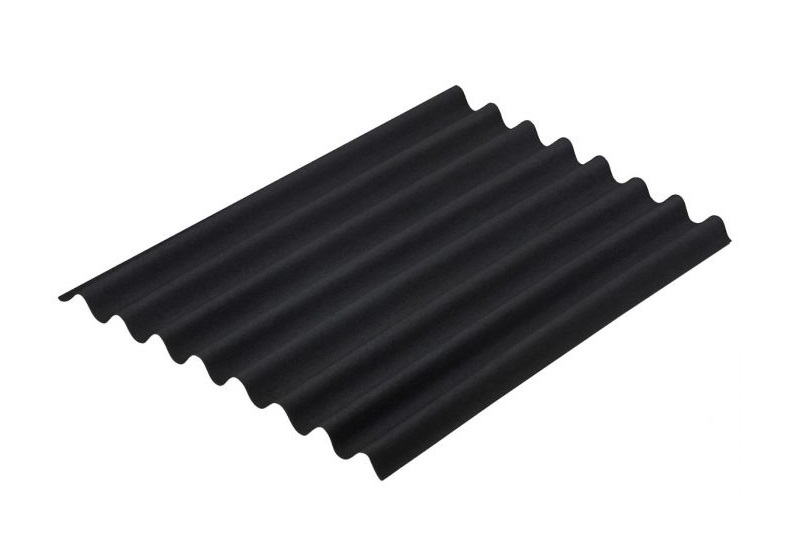
It deepens over the first few weeks, then holds. Our Palruf BT bitumen sheet is colour impregnated, and the colour reaches its full intensity as the bitumen oxidises naturally in sunlight. After that the shade stays put, though the surface loses its initial gloss and goes matt over the years. Colour change is normal weathering and the warranty does not cover it.
Our Palruf BT bitumen sheets carry a 15-year waterproofing guarantee, so treat that as the baseline you can rely on. The sheet may well last longer, but we cannot put a figure on it. Lifespan depends on keeping to the 10-degree minimum pitch, using the 150mm head lap and clearing moss and leaves so water does not pond on the sheet.
Yes, to the things a roof normally meets.Bitumen sheets are resistant to weather, frost, UV and acids, and largely insensitive to industrial pollution. It publishes no data on alkalis, solvents, oils or fungi, so keep solvents, fuels and oils off it. A 1998 independent test put typical service life at about 20 years, with the surface going matt over time.
Board fully below 10 degrees. Our Palruf BT bitumen sheet has a minimum pitch of 10 degrees, and anything under that must sit on a solid plywood deck rather than open battens. From 10 degrees upwards you can fix to battens at 460mm centres for a 200kg per square metre load, or 310mm centres where you need to carry 350kg.
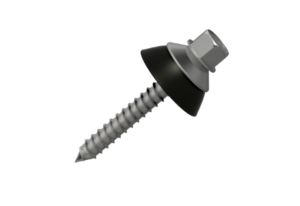
Lap generously and nail through the crown. Overlap each sheet by one corrugation at the side and at least 150mm at the head, so water runs over the joint rather than into it. Drive zinc-plated bitumen nails through the top of the corrugation, never the trough, in two parallel rows each side plus every third corrugation. Leave a 50mm ventilation gap at the apex.