








PVC Corrugated Roofing Sheets
Polycarbonate Corrugated Roofing Sheets
Showing all 5 results

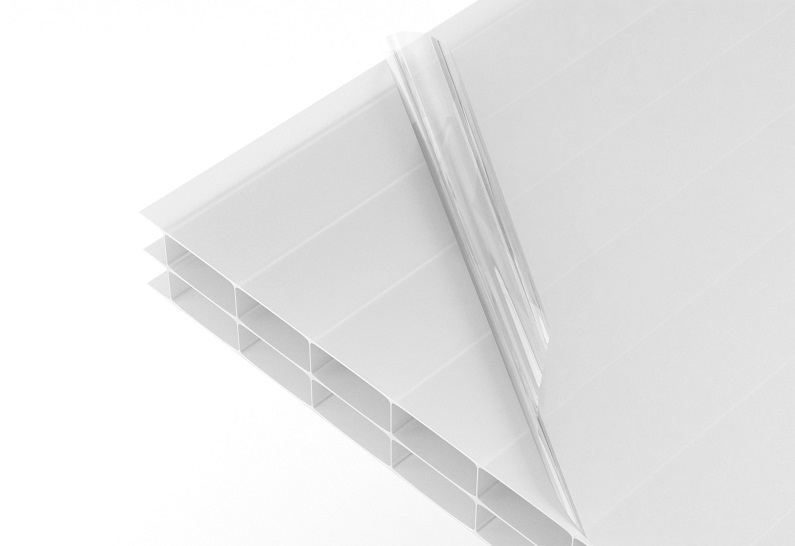
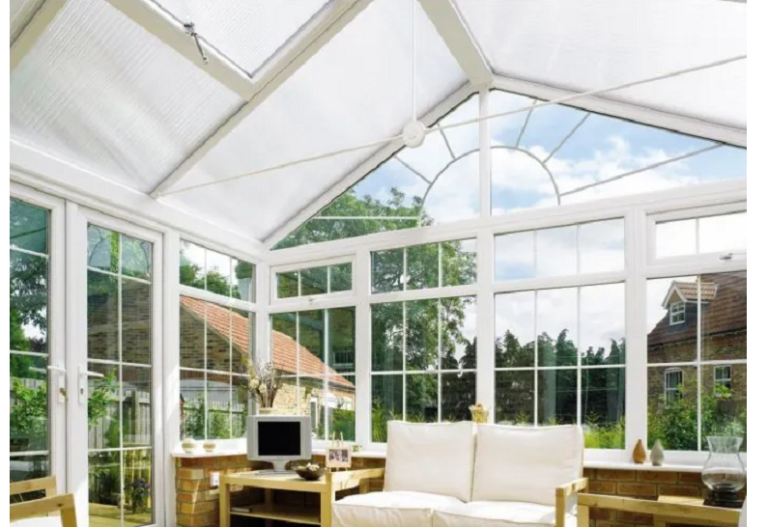
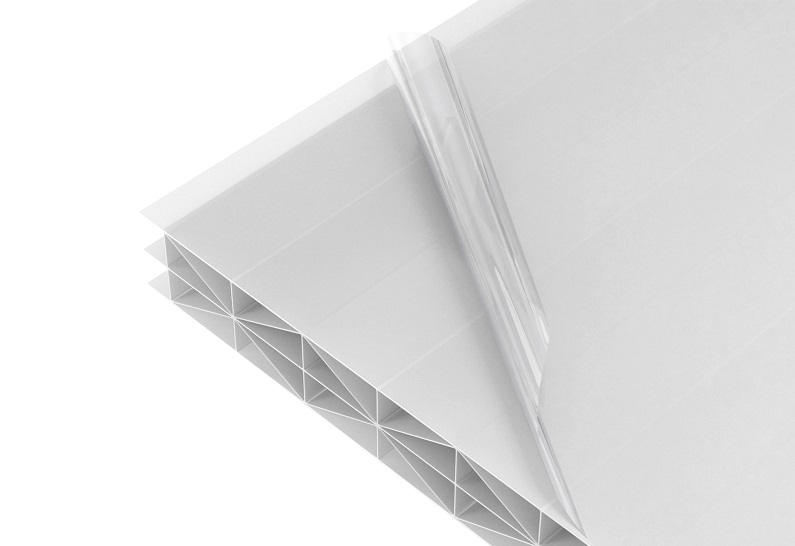
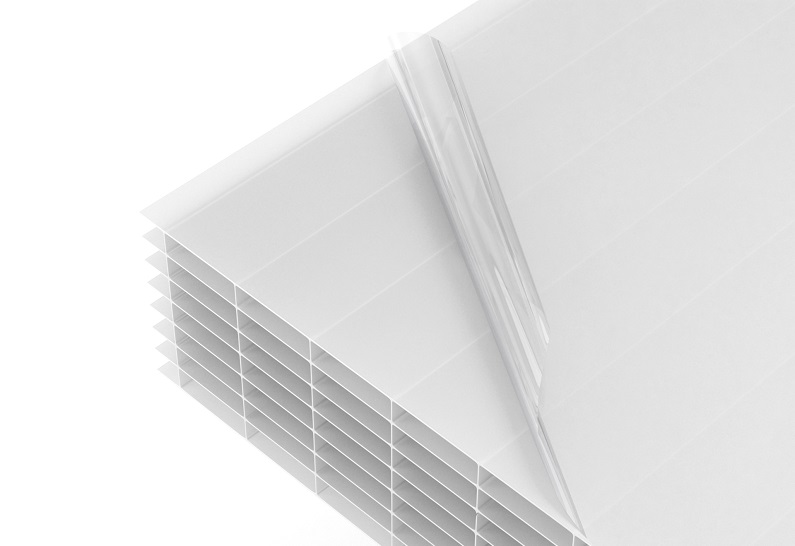

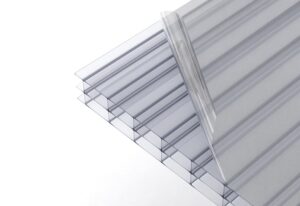
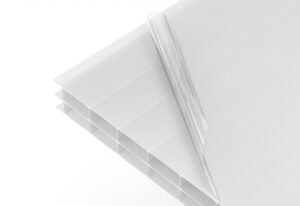
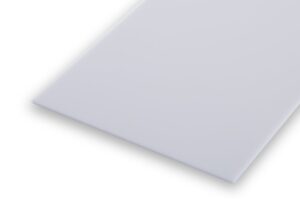
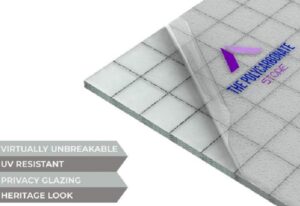
Opal sheets block 99.9% of UV, the same as all our twinwall and multiwall sheets. The protection comes from a UV layer co-extruded into one face of the sheet, marked by the printed film, and that face must go towards the sun. The opal tint itself adds diffusion and glare control rather than extra UV blocking.
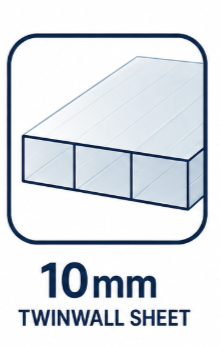
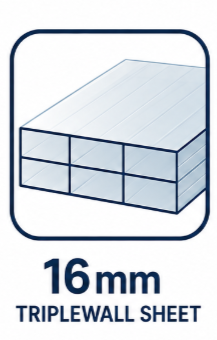
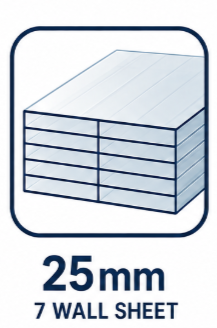
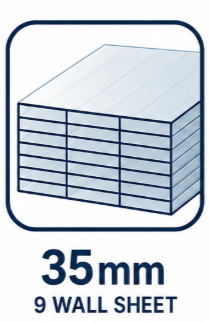
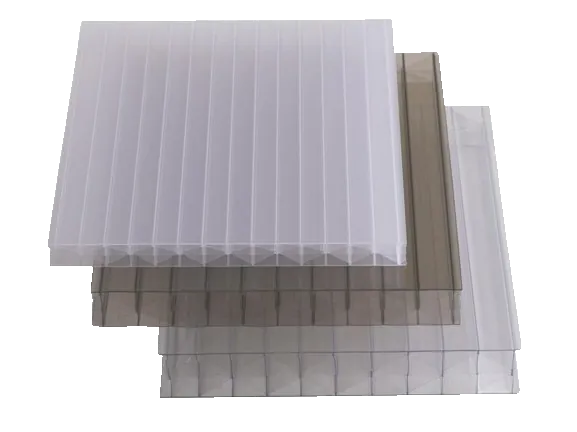
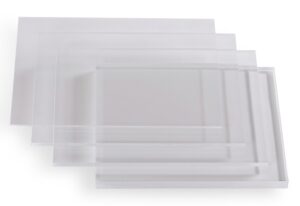
Opal is available in 10, 16, 25, 32 and 35mm. That covers everything from a 10mm twinwall porch or shed roof to a 35mm multiwall conservatory. All sizes are cut to your measurements from sheets up to 2100mm by 7000mm, with a plus or minus 5mm tolerance. The 4mm and 6mm greenhouse twinwall sheets are clear only.
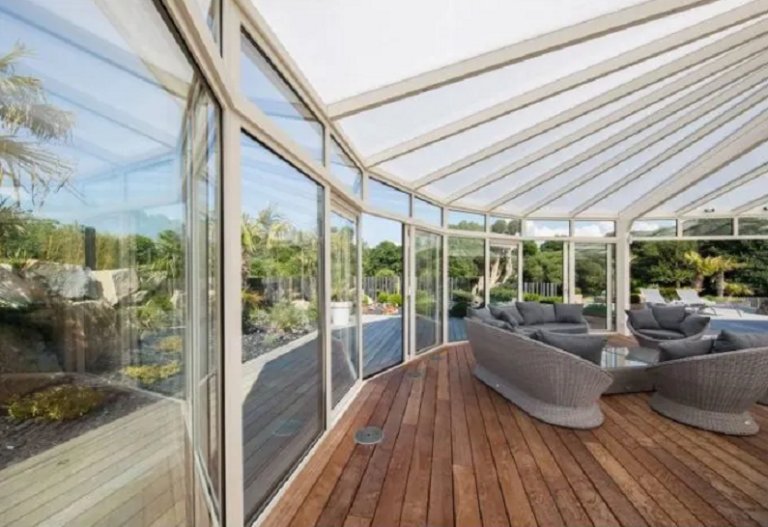
Both. Opal is a good choice for a conservatory where glare is the main complaint, because it spreads the light evenly and removes hard shadows, and it insulates like clear of the same thickness. On a canopy or carport it gives a soft, shaded light beneath. If solar heat rather than glare is the problem, choose bronze/opal or heat guard.
The largest opal sheet is 2100mm wide by 7000mm long, in 10, 16, 25, 32 and 35mm. We cut from that to your width and length, to a tolerance of plus or minus 5mm. Cut sheets are bespoke and cannot be returned, so measure your rafter centres and roof length twice. Ends can be pre-taped on request.
Yes. Opal scatters the light passing through it, so you get a soft, even glow instead of a bright patch of sun. It passes less light than clear: about 30% at 10mm and about 15% at 25mm, against about 79% and 62% for clear. That makes it a good choice over seating areas and in rooms used through the afternoon.
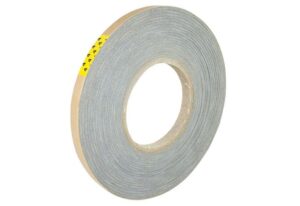
Pre-taped edges mean that protective tapes have already been applied to the open ends of your multiwall polycarbonate sheets before delivery, saving you time during installation.
At The Polycarbonate Store, our complimentary pre-taping service is available on 10mm, 16mm, 25mm, 32mm and 35mm twinwall and multiwall polycarbonate sheets.
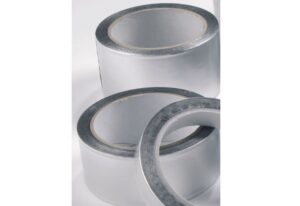
The two open ends of the sheet's hollow channels (flutes) are taped differently:
For a standard sloping roof, the aluminium-taped edge must be positioned at the top, with the breather-taped edge at the bottom, towards the gutter. The tapes should remain in place during installation.
Important: Pre-taping only covers the two open flute ends, not all four sides of the sheet. It does not replace the need for PVC sheet end closures, which should be fitted over the taped edges to provide additional protection and a neat finish. Pre-taping also does not completely prevent condensation.
During preparation, approximately 10mm of protective film is removed from each taped end. This may leave a visible preparation line, which is normally concealed by the roofing accessories. If you need to trim a pre-taped sheet, the newly exposed flutes must be cleaned and re-taped correctly before installation.
For curved roofing or other applications, the required tape arrangement may differ. Please contact us before ordering if you are unsure.
For further information, read our full guide: What Do Pre-Taped Edges Mean on Multiwall Polycarbonate Sheets?