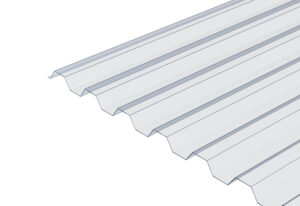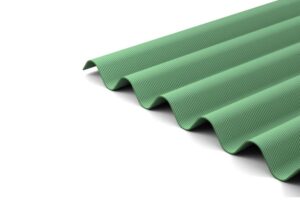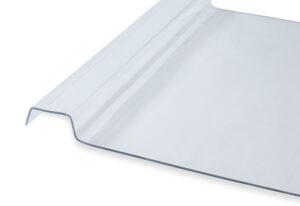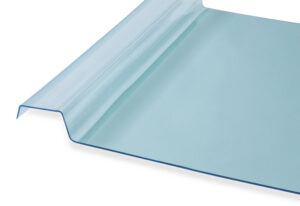










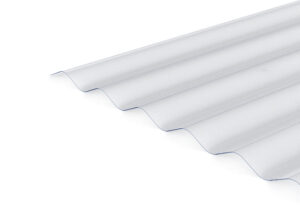
PVC Corrugated Roofing Sheets
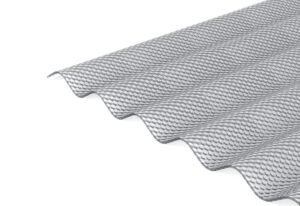
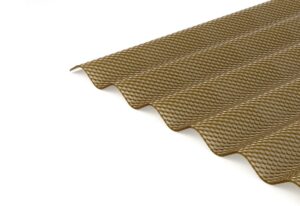
Polycarbonate Corrugated Roofing Sheets
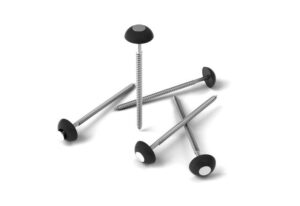
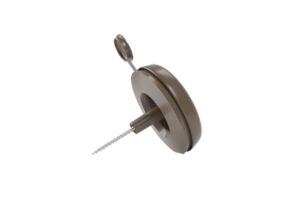
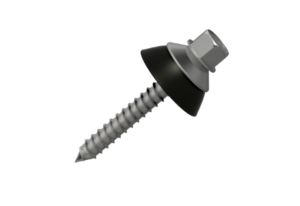
Give additional fixing strength to polycarbonate sheeting with our range of fixing buttons.
Fixing buttons are used to provide additional strength to polycarbonate sheeting, particularly where strong wind and harsh weather conditions are a consideration. They can also be used when installed at a centre greater than recommended by the manufacturer for additional support.
At The Polycarbonate Store, we stock a variety of fixing buttons in white, brown and anthracite grey, to suit sheeting 10mm to 35mm in thickness.
View our installation advice here.
Showing all 10 results
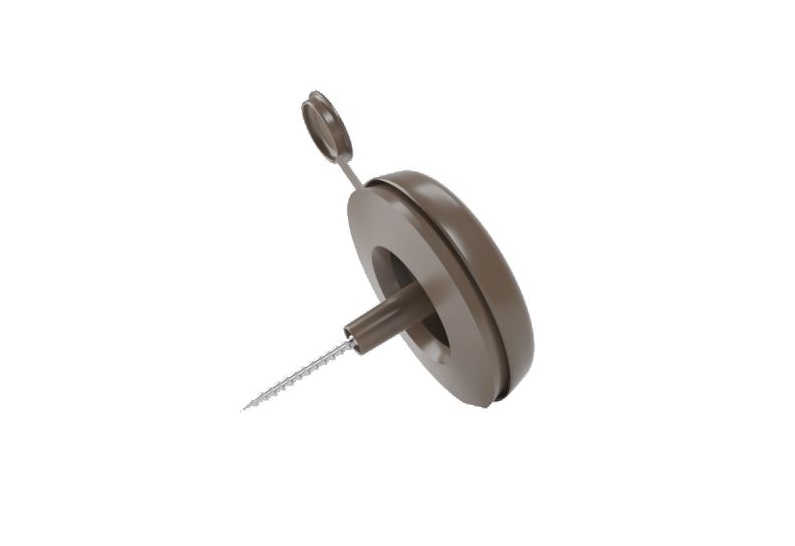
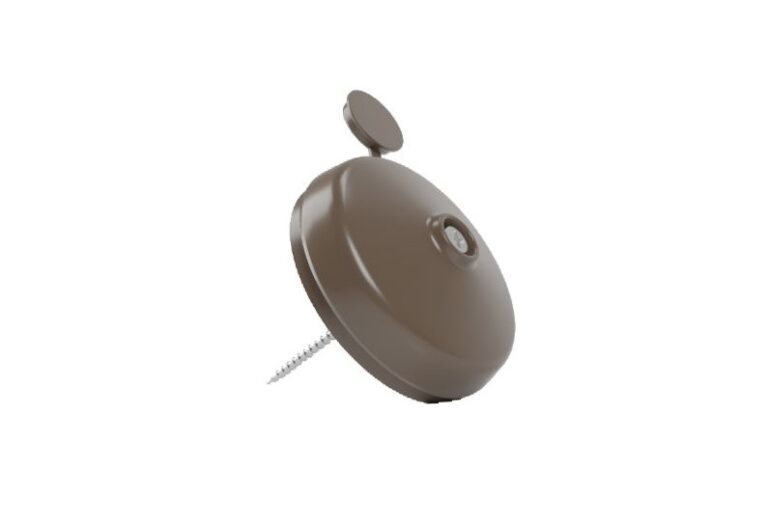
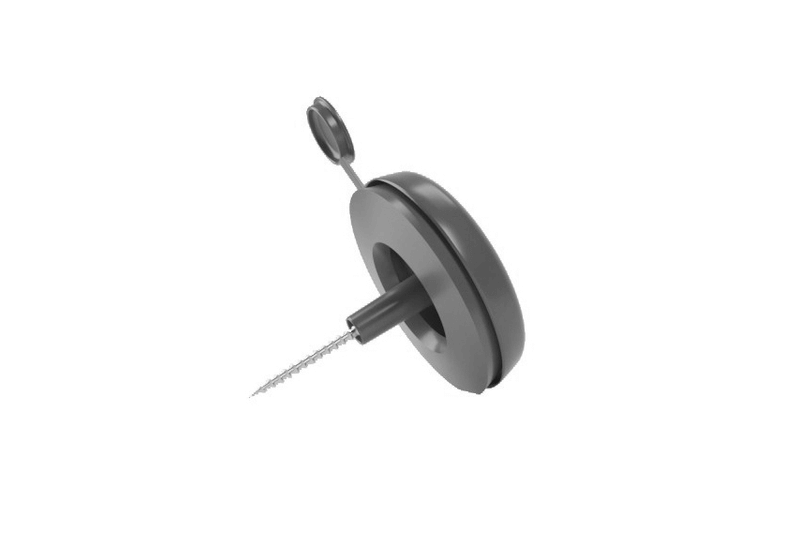
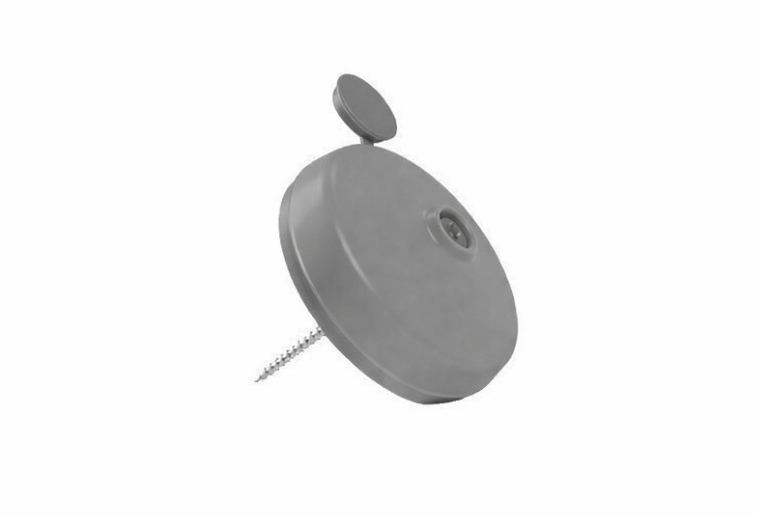
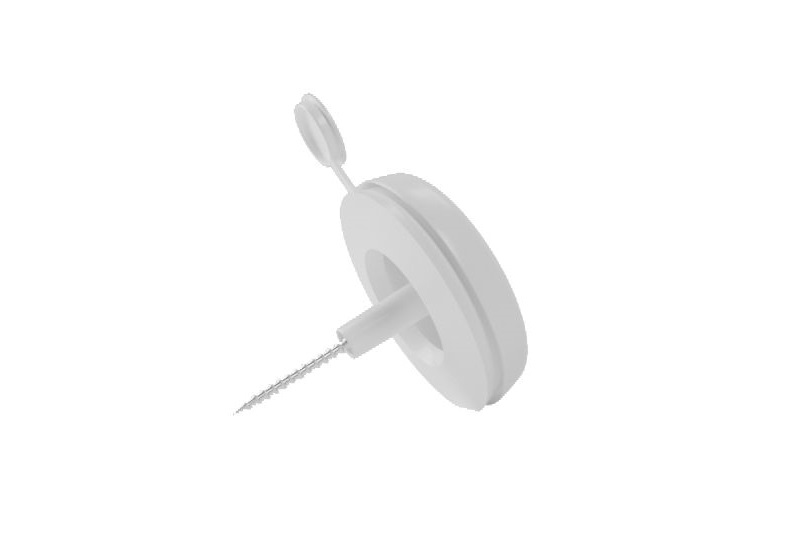
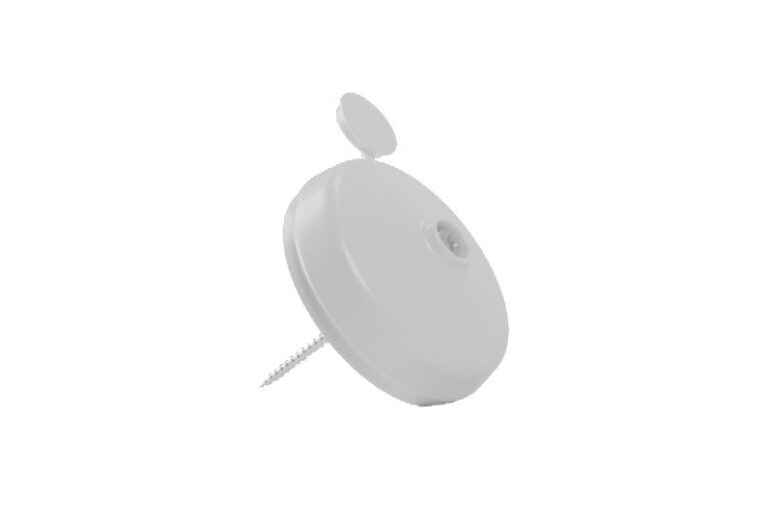
By fixing through an oversized hole. Drill the hole 2mm wider than the button's shank with a sharp steel bit, so the sheet can expand and contract around the screw. The button head and foam gasket spread the load and seal the hole while letting the sheet slide slightly. Do not overtighten, or you lose that movement.
Alongside, in our view. Buttons add hold where wind or snow loading is a concern, or fix a wider-than-recommended sheet to an intermediate rafter, purlin or noggin between the glazing bars. We don't recommend them as the only long-term fixing, because movement can eventually cause leaks at the hole. Glazing bars at the recommended widths avoid holes in the sheet altogether.
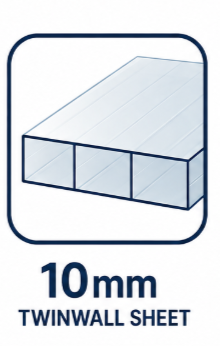
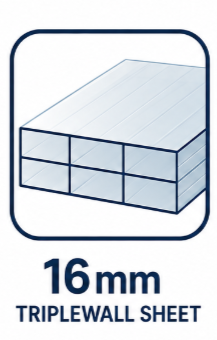
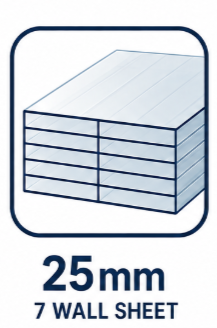
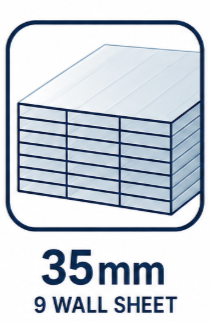
Yes. The button is sized for a particular sheet thickness, so a 10mm button will not hold a 25mm sheet properly. We stock buttons for 10, 16, 25 and 32/35mm sheets, plus a 16/25mm option in grey, all in packs of 10 with screw covers and foam gaskets. Order the size that matches the sheet you are fixing.
Between the ribs, never through them, and at least 40mm in from the sheet edge. Line them up over the rafter, purlin or noggin beneath. Drill each hole 2mm wider than the shank, fit the foam gasket under the button, screw down without overtightening and press on the cover. Space them about 500mm apart along the support.
Yes, with a suitable screw for timber. A button, its foam gasket and a timber screw will fix a multiwall sheet straight to a rafter, purlin or noggin. They usually hold a wider-than-recommended sheet to an intermediate support. We still prefer glazing bars at the recommended widths as the main fixing, because holes through the sheet can leak over time.