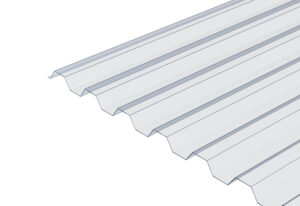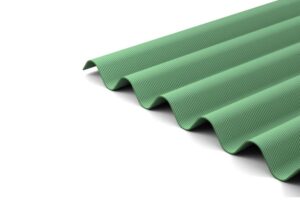









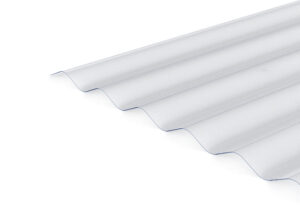
PVC Corrugated Roofing Sheets
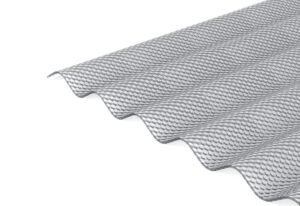
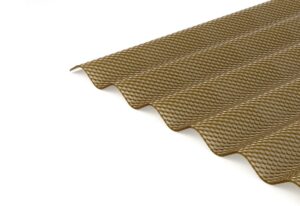
Polycarbonate Corrugated Roofing Sheets
Showing all 3 results
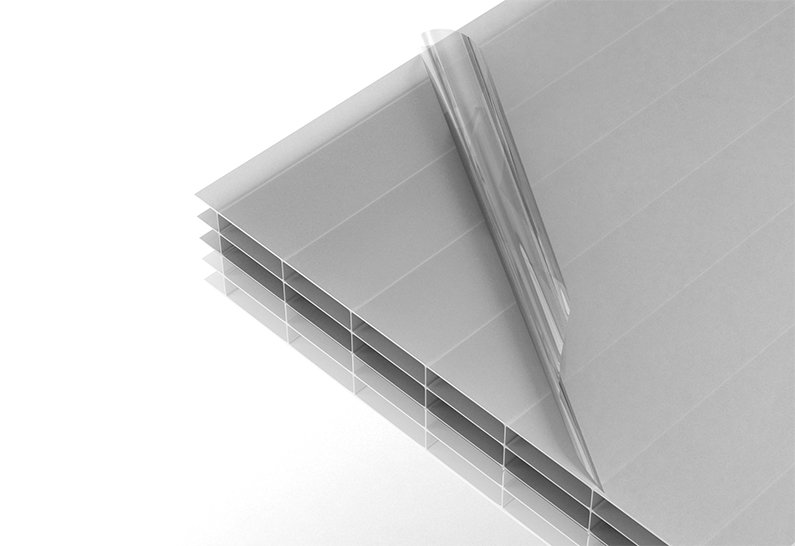
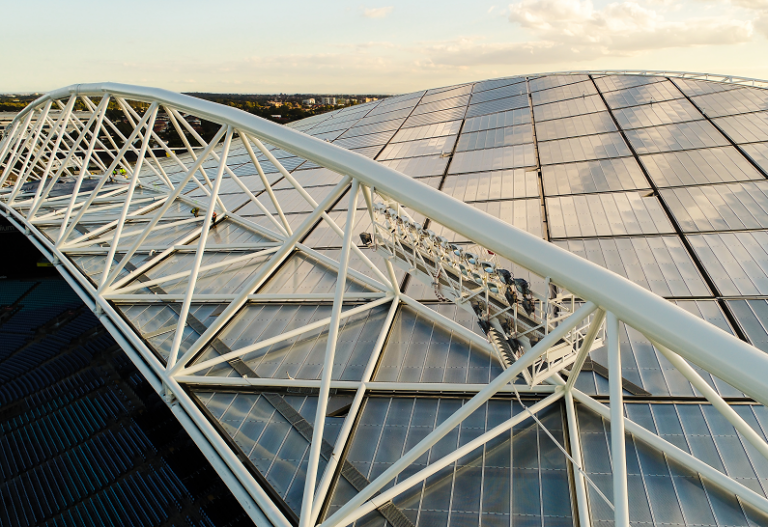
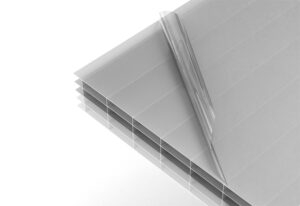
By up to 50% compared with a clear sheet. The silver reflective outer layer bounces much of the sun's heat away before it enters the sheet, and the opal inner layer diffuses what remains. Light transmission is about 7% at 25mm, so the room is shaded and cooler rather than bright. Winter insulation matches clear of the same thickness.
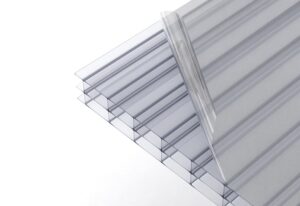
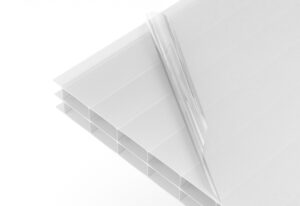
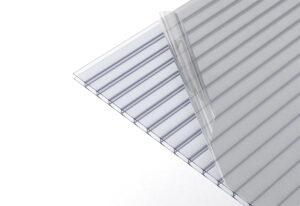
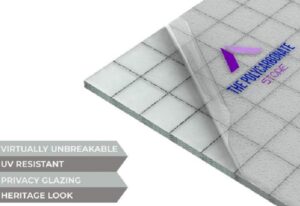
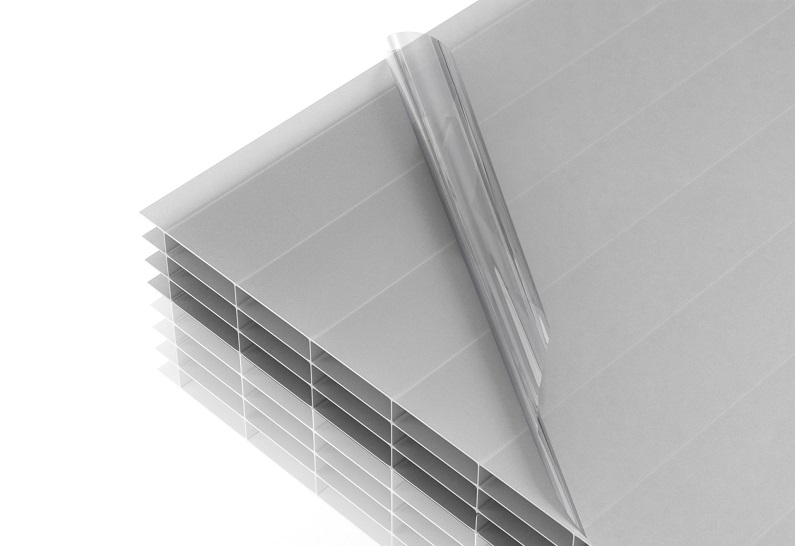
The silver reflective side faces the sky. It is also the UV-protected face, marked by the printed protective film, so both rules point the same way. Keep the film on until the sheet is in position, then peel it off. Fitted the wrong way, the sheet loses its heat-reflecting benefit and the unprotected face will yellow and crack within a couple of years.
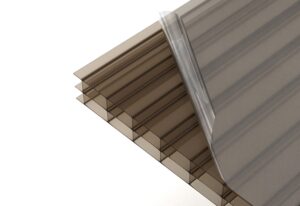
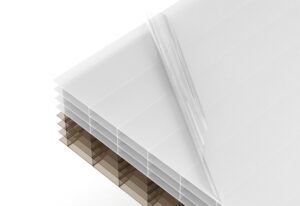
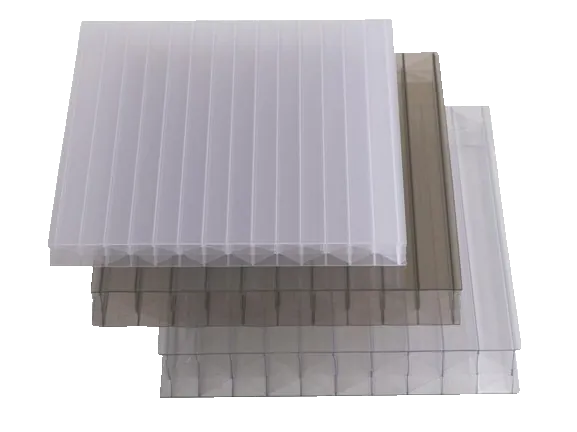
A bronze or opal tint absorbs and scatters light within the sheet, which cuts glare but still lets a good share of the sun's heat through. Heat guard's silver outer layer reflects that heat before it enters the sheet. That is why it cuts solar heat by up to 50%, more than a plain tint, while passing about 7% of light at 25mm.
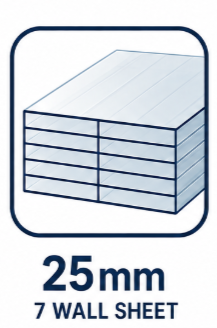
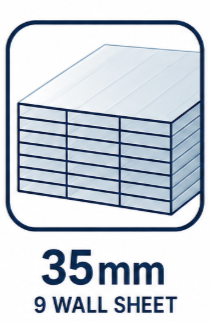
The same as standard multiwall of the same thickness: 900mm for 25mm, and 1000mm for 32mm and 35mm. The reflective layer does not change the sheet's stiffness. The manufacturer allows wider spans at light loads, but these are the safe DIY figures. Check your wind and snow exposure, or call the technical team before ordering.
Yes. Heat guard makes most sense on a south-facing conservatory, sunroom or rooflight that overheats in summer, where the up to 50% cut in solar heat is worth the loss of daylight. On a shaded or north-facing roof it leaves the room dim for little gain. We stock it in 25, 32 and 35mm, cut to size.