








PVC Corrugated Roofing Sheets
Polycarbonate Corrugated Roofing Sheets
Showing all 3 results
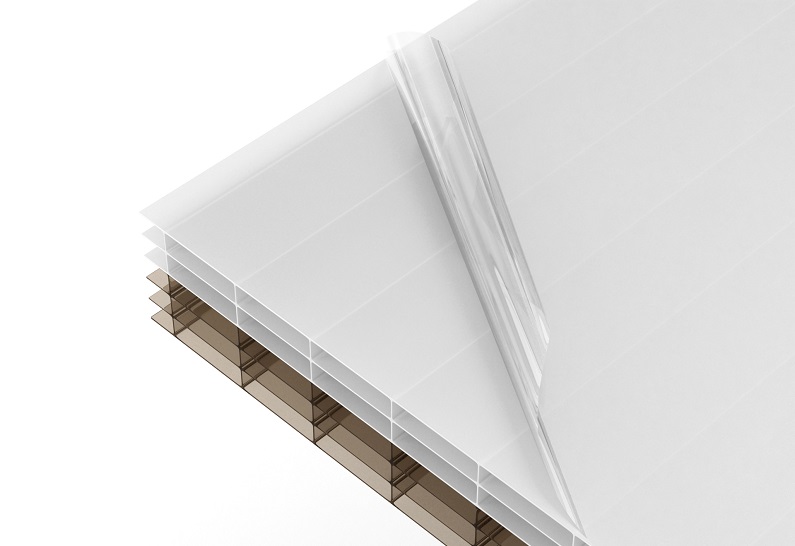
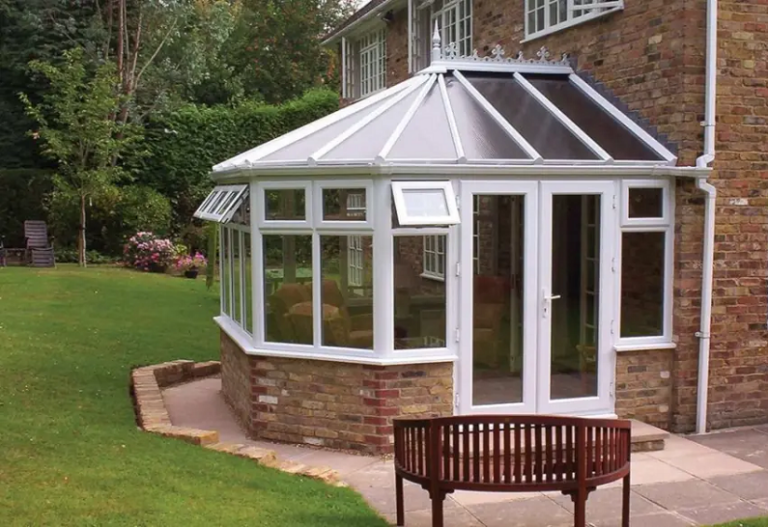
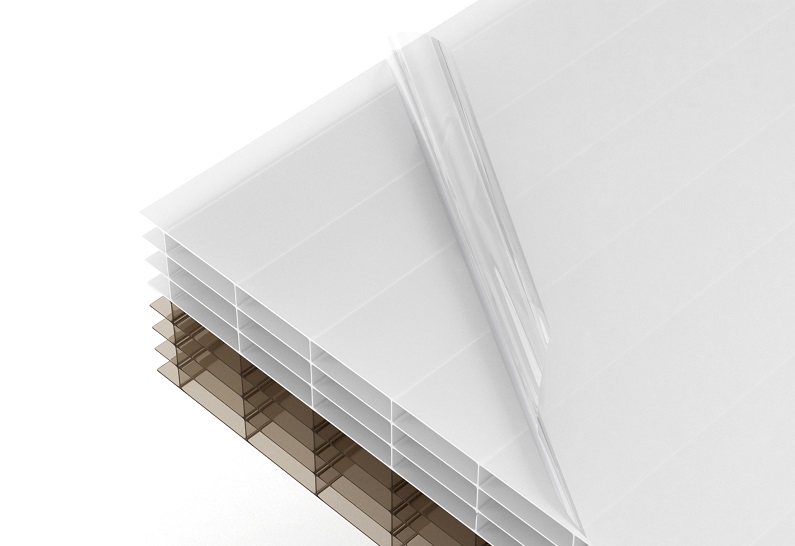
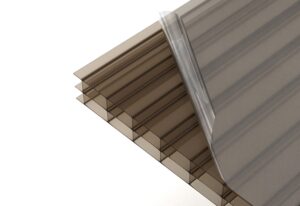
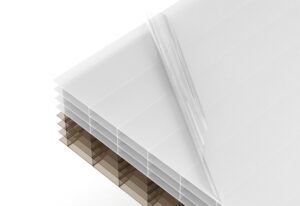
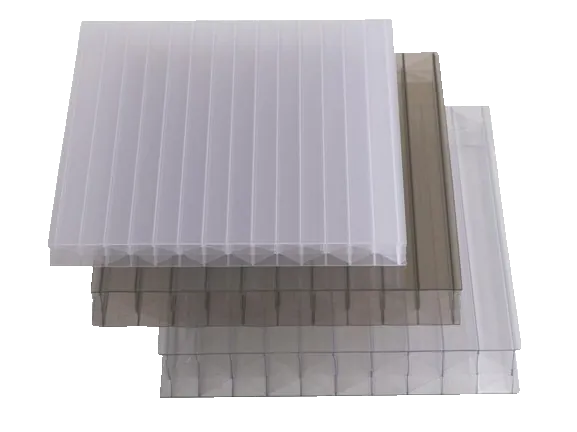
The bronze outer layer reflects much of the sun's heat before it reaches the room, and the opal inner layer scatters what does get through. Together they cut solar heat by up to 50% compared with a clear sheet, more than bronze or opal alone. Light transmission is about 8% at 25mm, so expect a shaded room rather than a bright one.
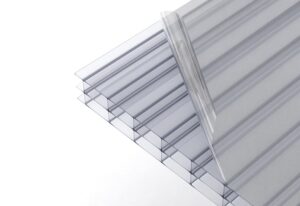
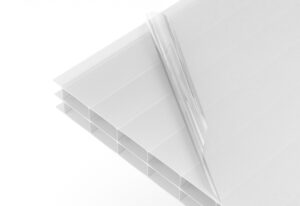
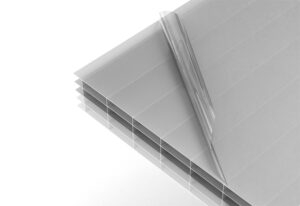
The bronze side faces the sun and the opal side faces the room. The bronze face is also the UV-protected face, marked by the printed protective film, so the two rules agree. Leave the film on until the sheet is in place. Fitted upside down, the sheet loses its UV protection and will yellow and crack within a couple of years.
About 8% at 25mm, and around 8 to 10% at 32mm and 35mm. That sounds very little, but the opal inner layer spreads that light evenly, so the room reads as softly shaded rather than dark. Compare it with about 62% for clear 25mm. If you want a brighter room with a little less heat, plain bronze may suit you better.
Yes. A south-facing conservatory takes full sun for most of the day, and that is where the up to 50% cut in solar heat pays off. It also suits sunrooms and rooflights that overheat. On a north-facing or shaded roof the same sheet would leave the room dim for little benefit, so clear or opal is the better choice there.
The opal inner face reflects your artificial light back into the room, so at night the ceiling reads as a soft pale surface rather than a black ceiling. A plain bronze or clear roof looks dark once the sun goes down. The opal layer adds no light, but it makes the room feel enclosed and lit rather than open to the night sky.