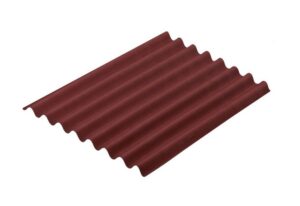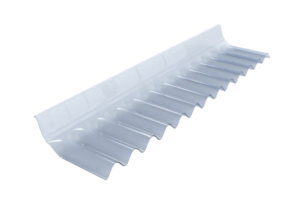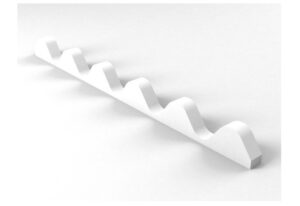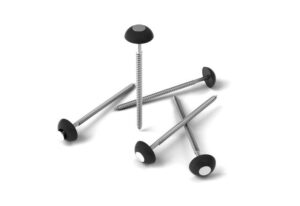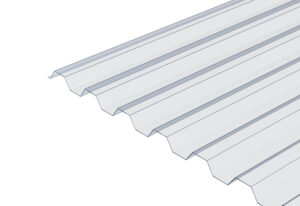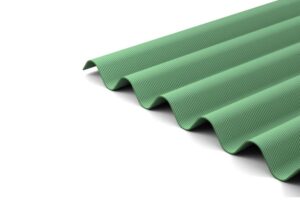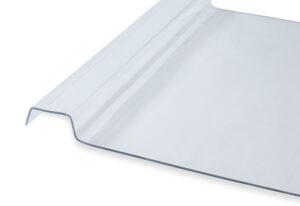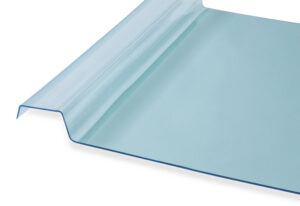









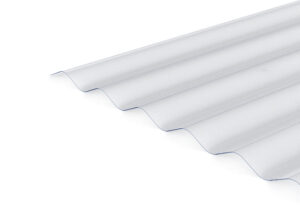
PVC Corrugated Roofing Sheets
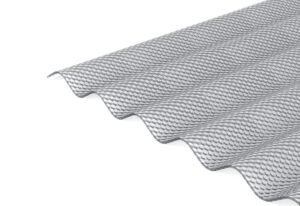
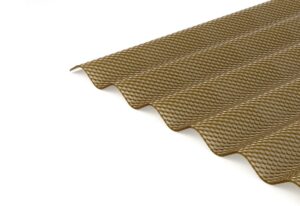
Polycarbonate Corrugated Roofing Sheets
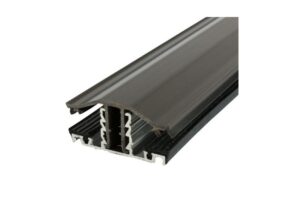
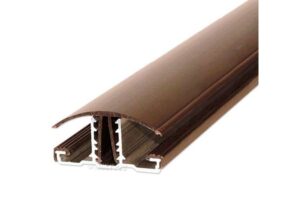
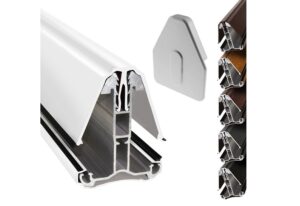
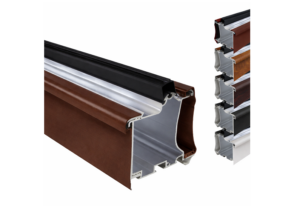
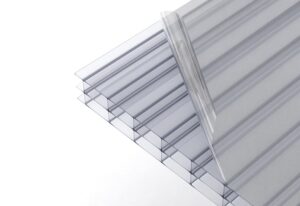
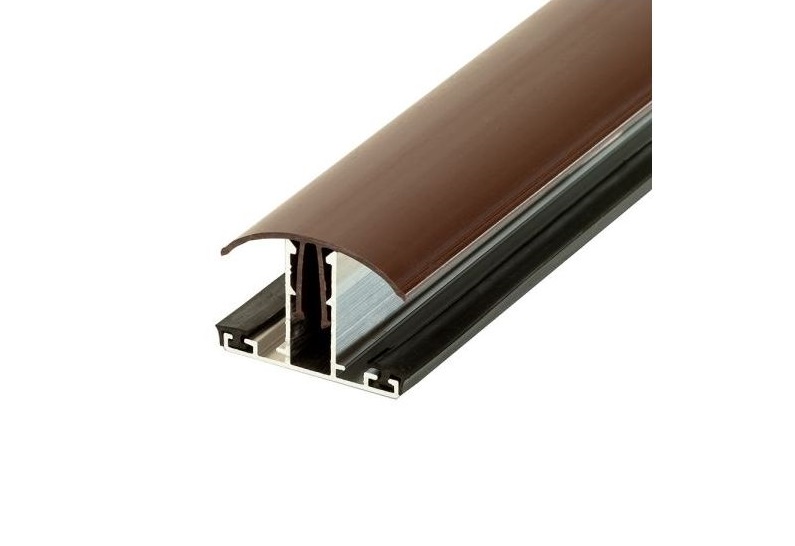
Glazing bars are rigid bars that connect two separate panels of polycarbonate sheeting. Traditionally, they were used to connect smaller polycarbonate sheets together, but are now also used aesthetically and for structural purposes.
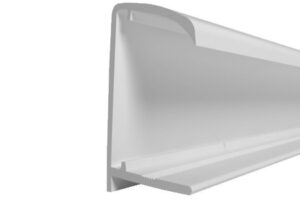
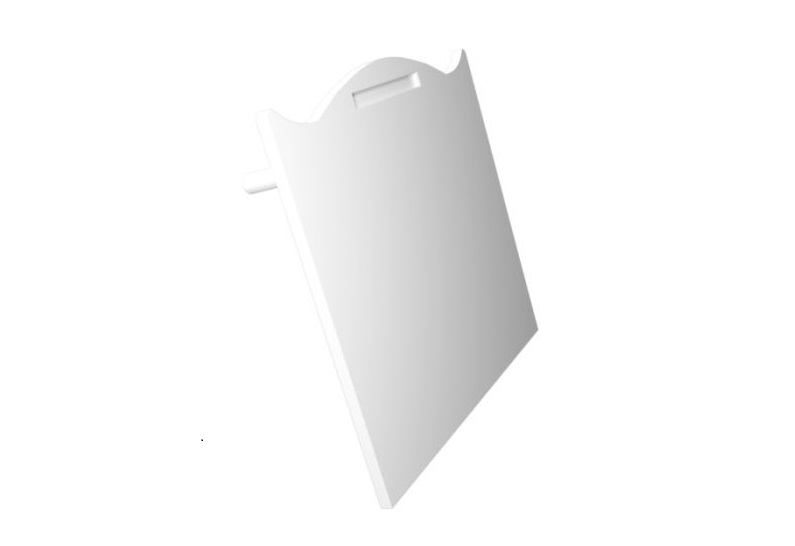
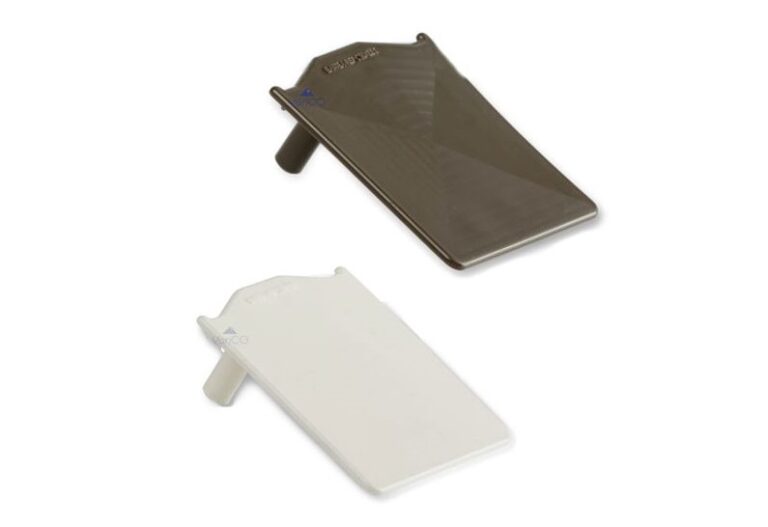
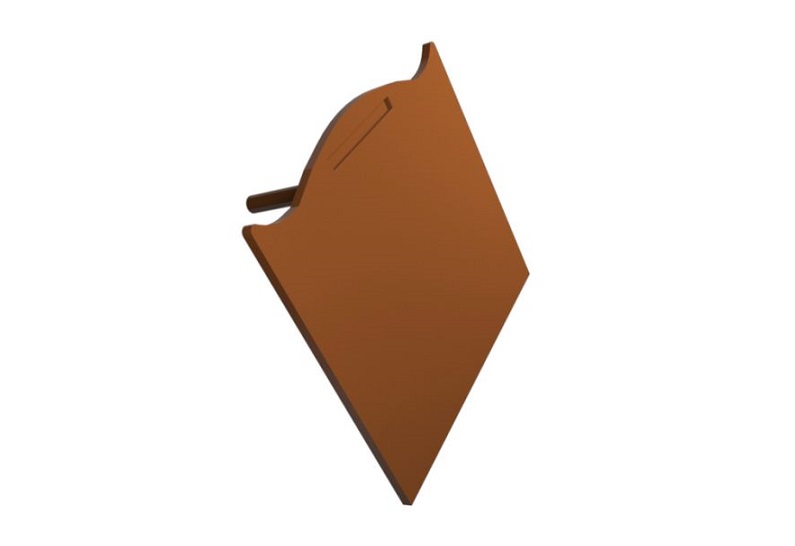
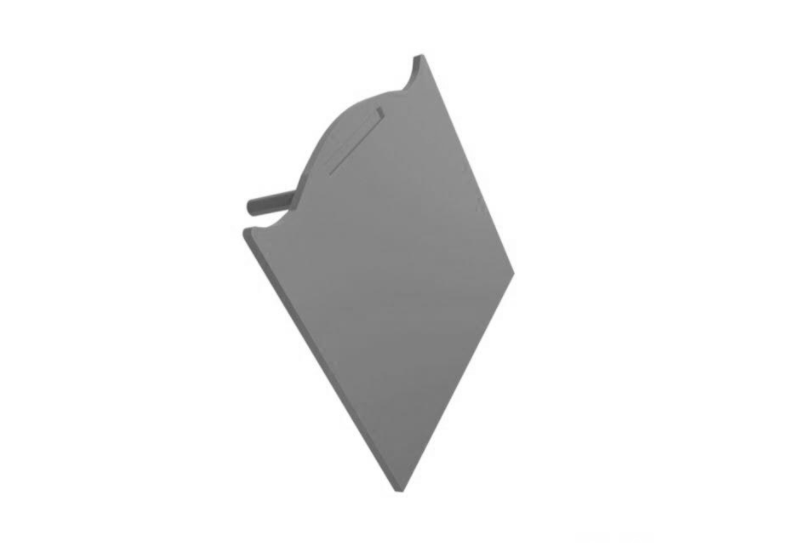
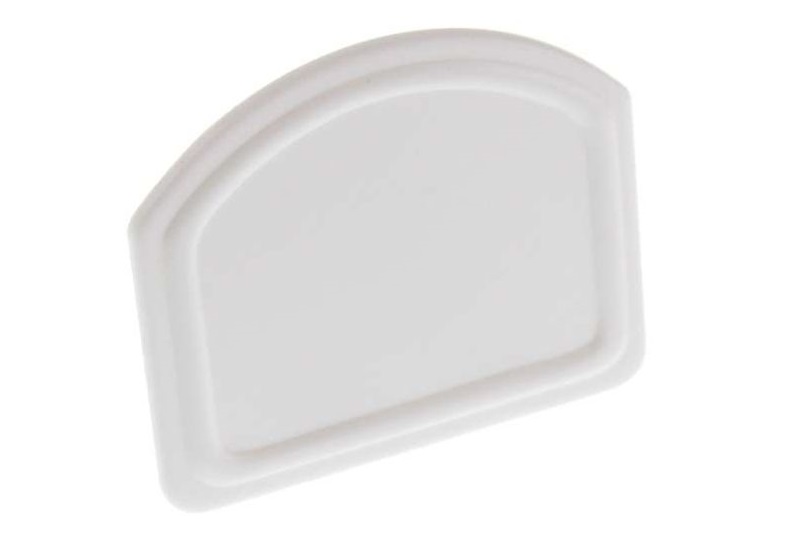
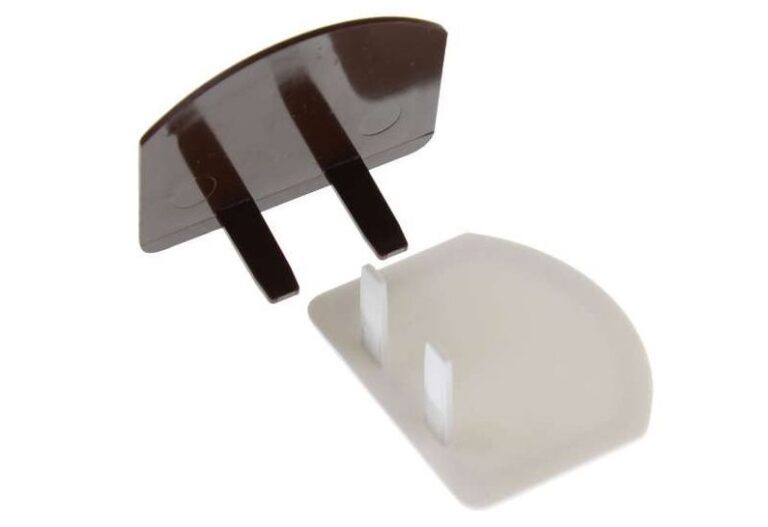
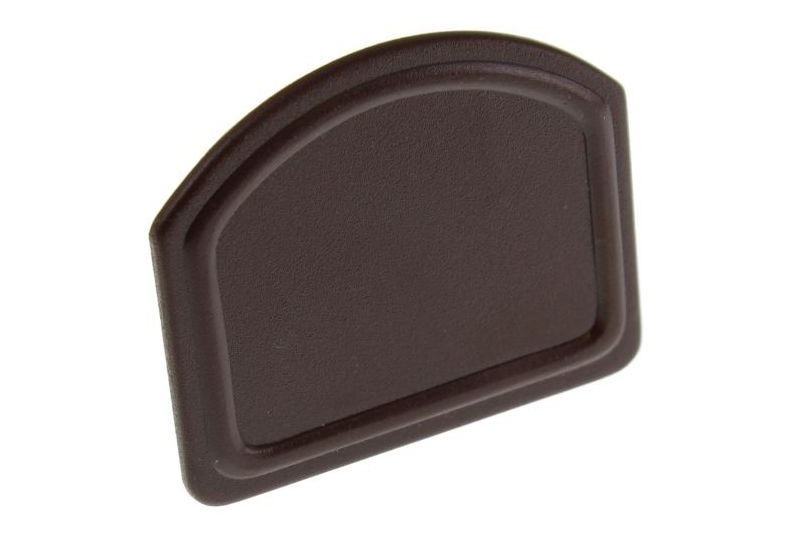
We offer white, brown and anthracite grey glazing bars and end caps in a range of sizes to suit your project.
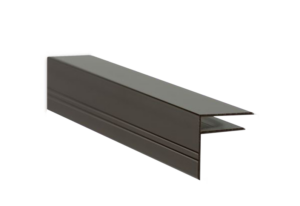
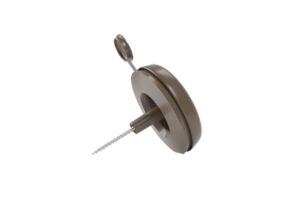
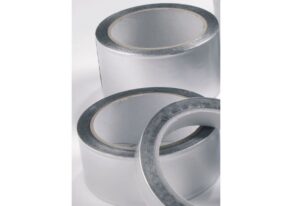
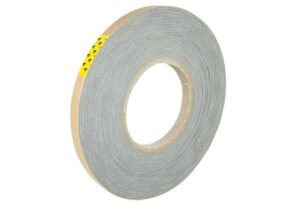
Other polycarbonate accessories are also available, including sheet closures, end caps, f-sections, fixing buttons and adhesive and tape.
Showing all 16 results
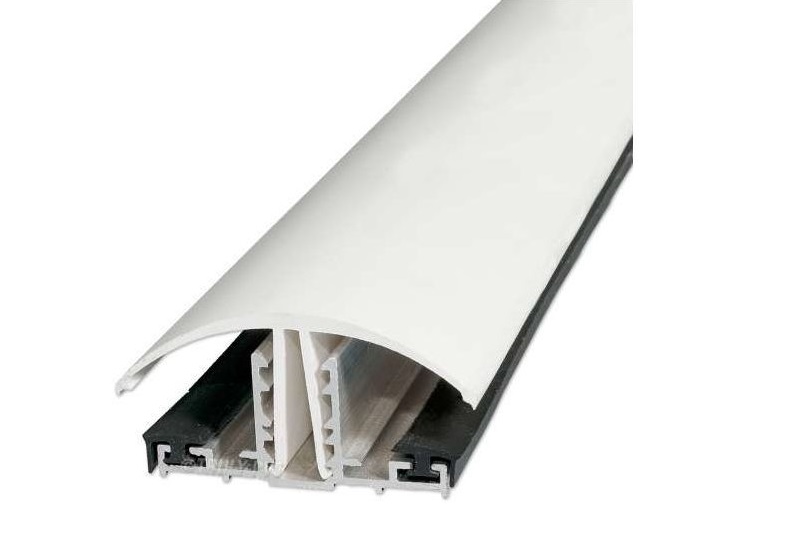
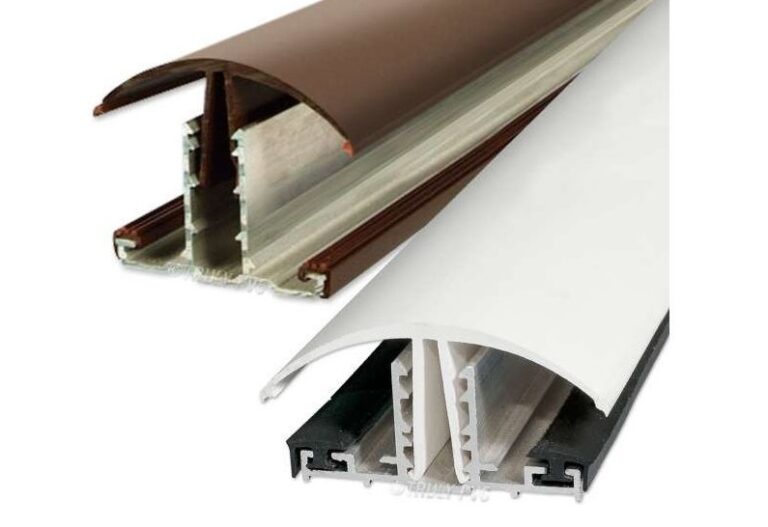
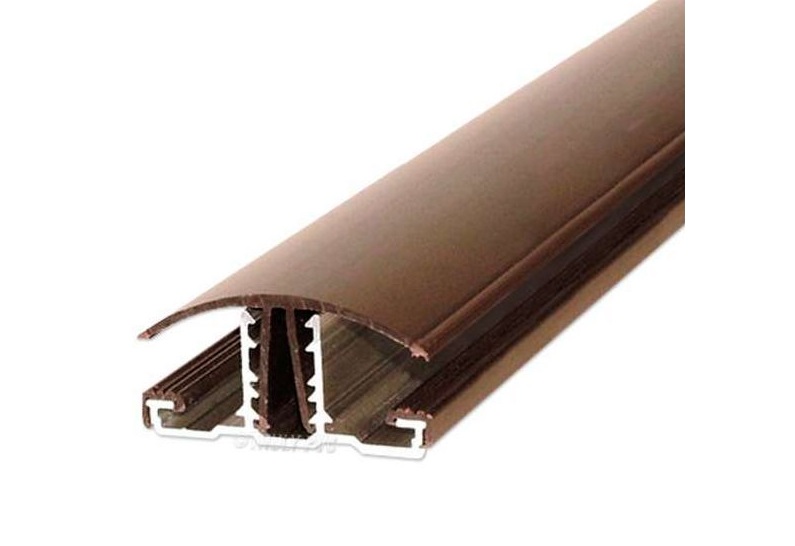
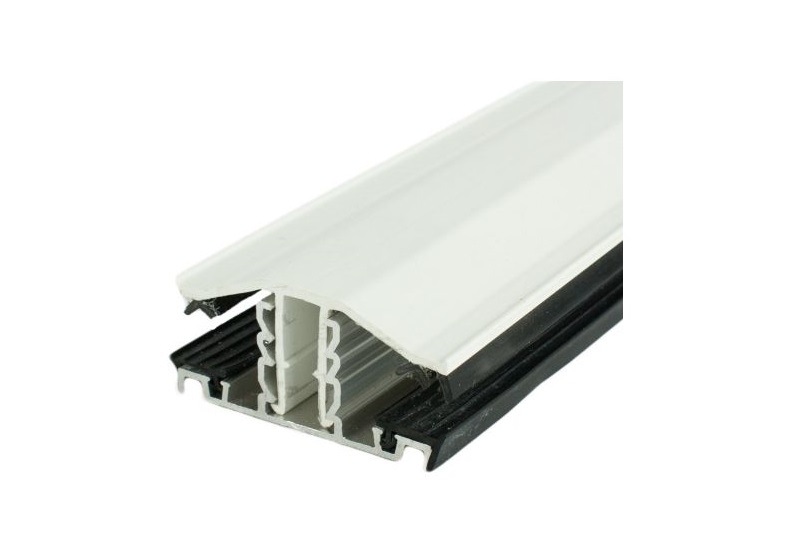
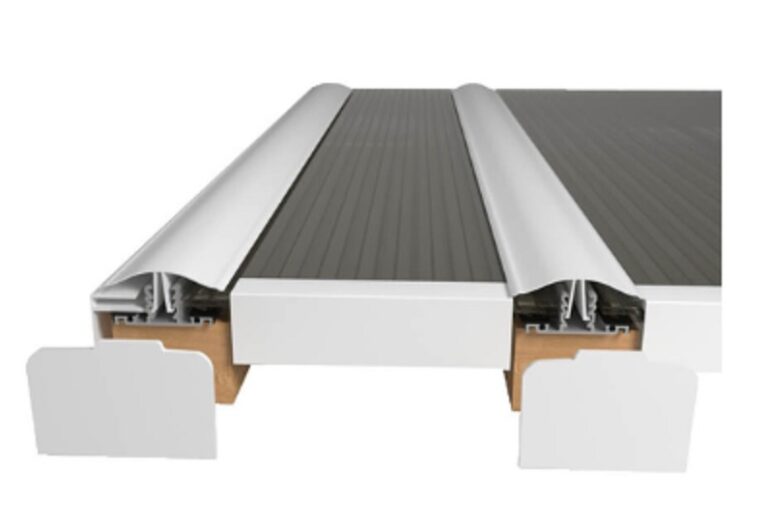
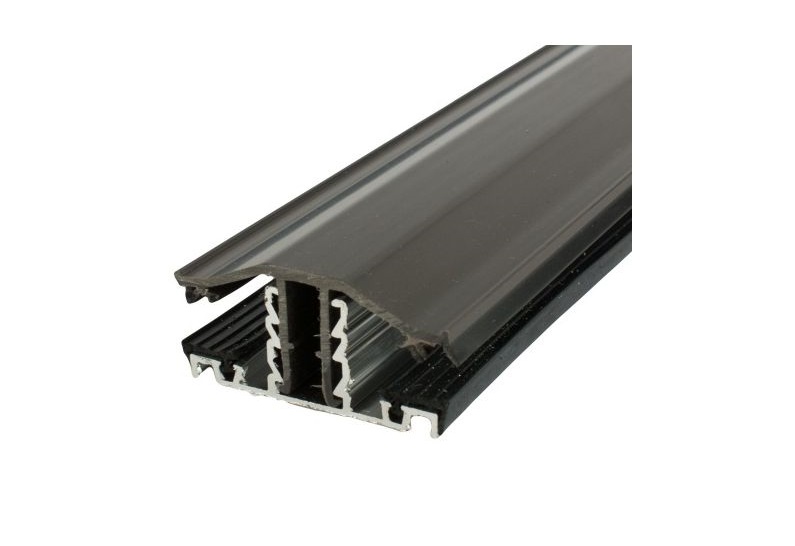
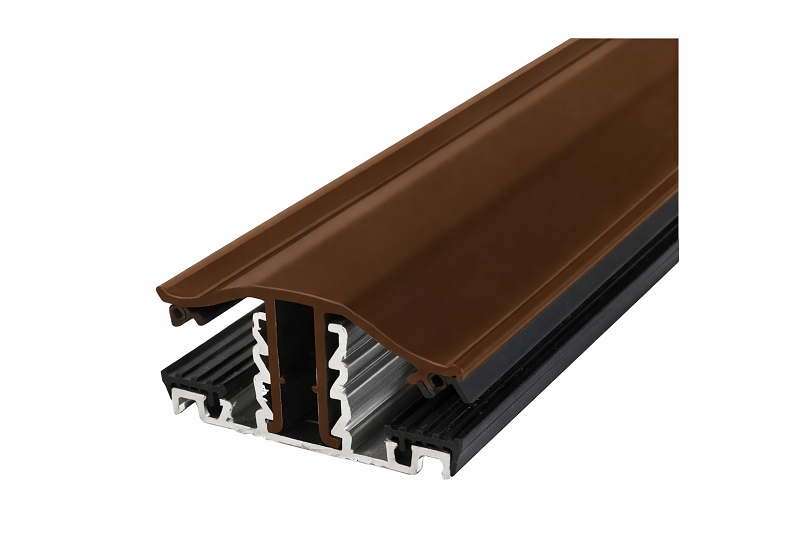
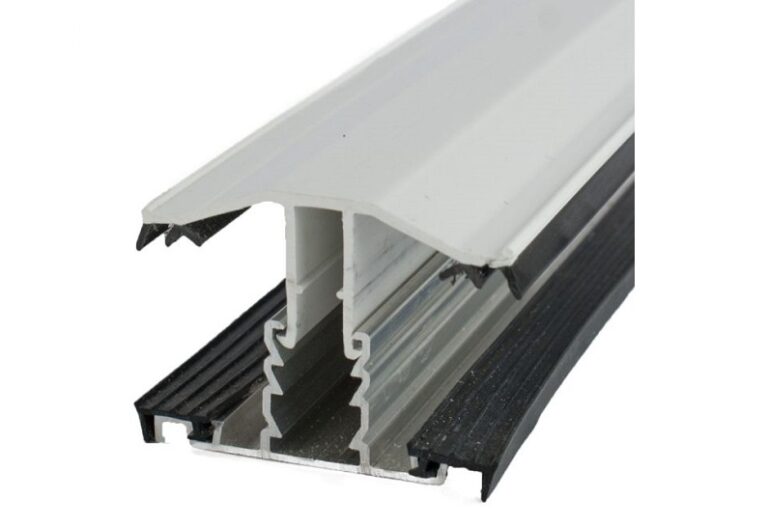
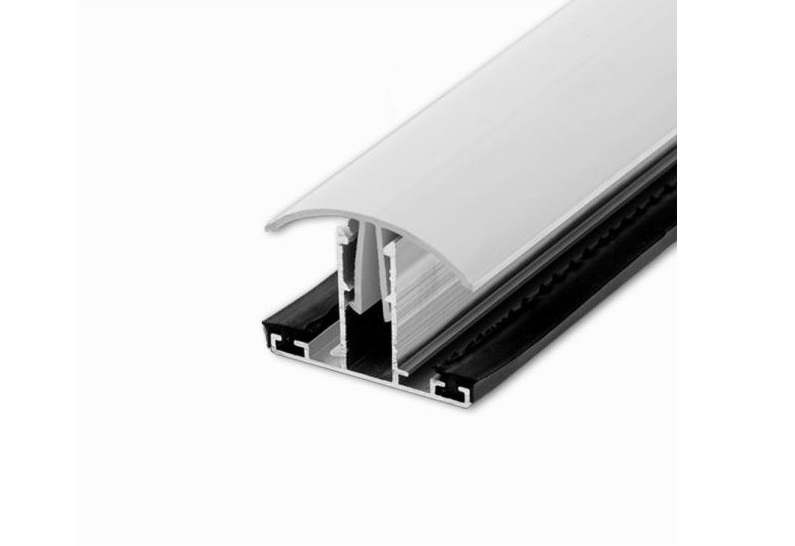
50mm. The aluminium base of our Exitex and Sunwood snapdown bars is sized for a 50mm timber rafter, and the screws go straight down through the base into it. Set the rafters so the glazing width, which is the rafter centres less about 21mm, matches your sheet width. If you are working with an existing roof, measure the rafters before ordering bars or sheets.
Yes. Snapdown rafter bars work best above 5 degrees, and a steeper pitch drains better. Sunwood rates its bar for 5 to 40 degrees. On a flatter roof water lingers on the sheet and against the seals. If your structure allows it, aim for 10 degrees or more, which is what we recommend for our self-supporting bars too.
The PVC top cap simply snaps down. Once the base is screwed to the rafter and the sheets are resting on the gaskets, you press the cap over the base and it clicks onto the locking points, clamping the sheet edges. The cap's built-in seals bear down on the sheet surface. Fit the end cap last to close off the bar.
Remove any end caps first, then use a dedicated glazing bar capping removal tool. Slide its blade between the capping legs and the aluminium upstand and lift to disengage the cap from the base. Do not lever against the polycarbonate, as the surface marks easily. With the cap off, the sheet lifts clear and the base can stay on the rafter for reuse.
It depends on the brand. Exitex bars arrive with the two rubber gaskets already attached to the aluminium base. Sunwood bars come with the gaskets joined together in one length, which you split in half and push into the base before fitting. The PVC top cap has its seals built in. Check the gaskets sit fully in their channels before you lay the sheets.