







PVC Corrugated Roofing Sheets
Polycarbonate Corrugated Roofing Sheets
Showing all 3 results
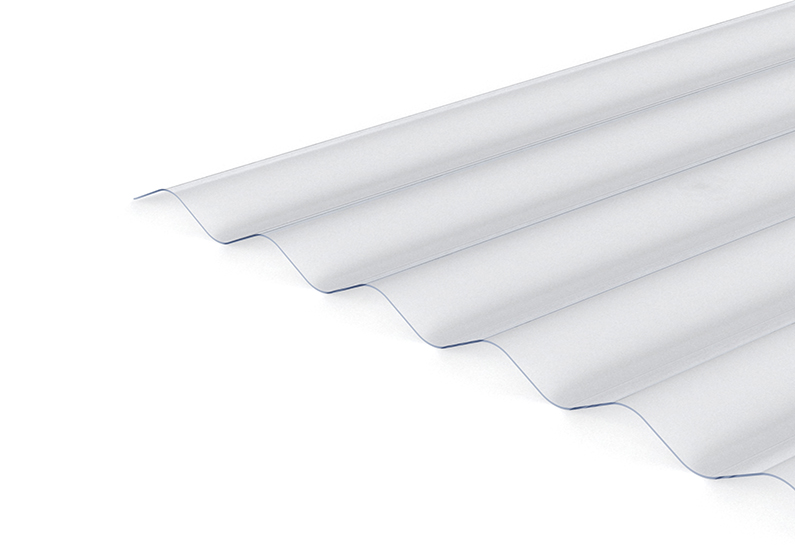
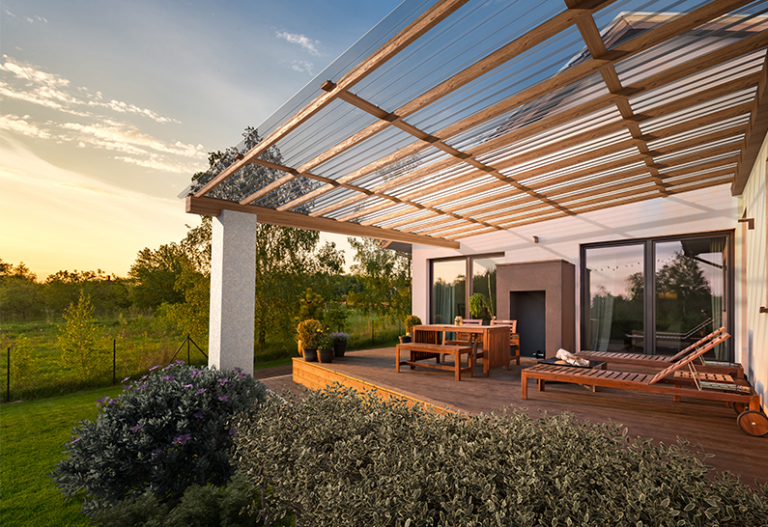
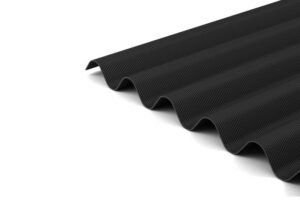
Polycarbonate cannot go quite as low as Onduline bitumen. Suntuf corrugated polycarbonate works from about 7 degrees, with 10 degrees recommended, and the laps need sealing at the lower end. Bitumen can go lower: Onduline Easyline works from 5 degrees on a fully boarded deck, while our Palruf BT sheet needs 10 degrees. Neither material suits a flat roof.
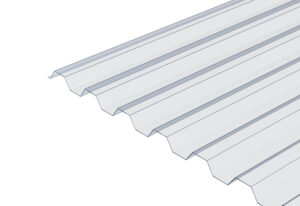
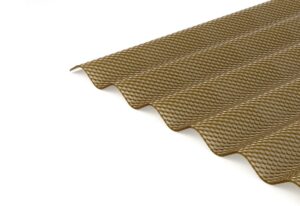
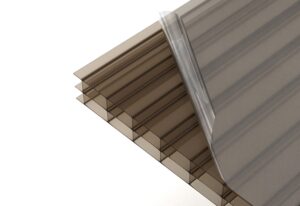
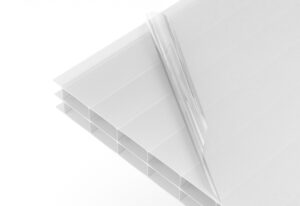
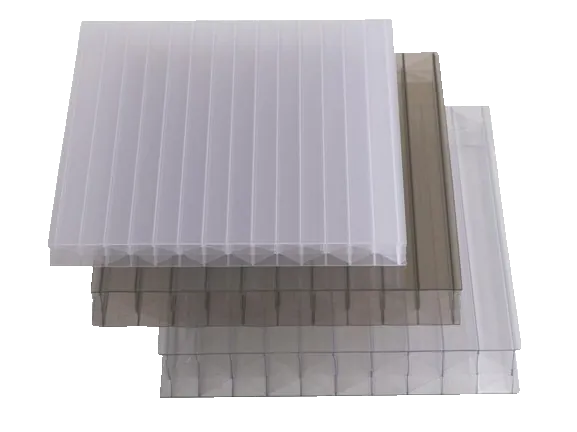
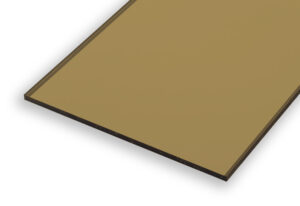
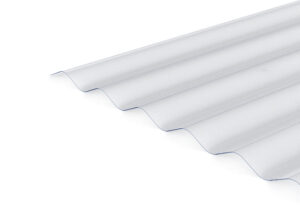
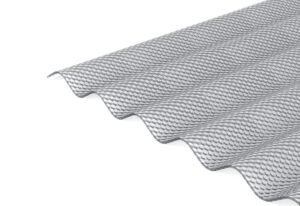
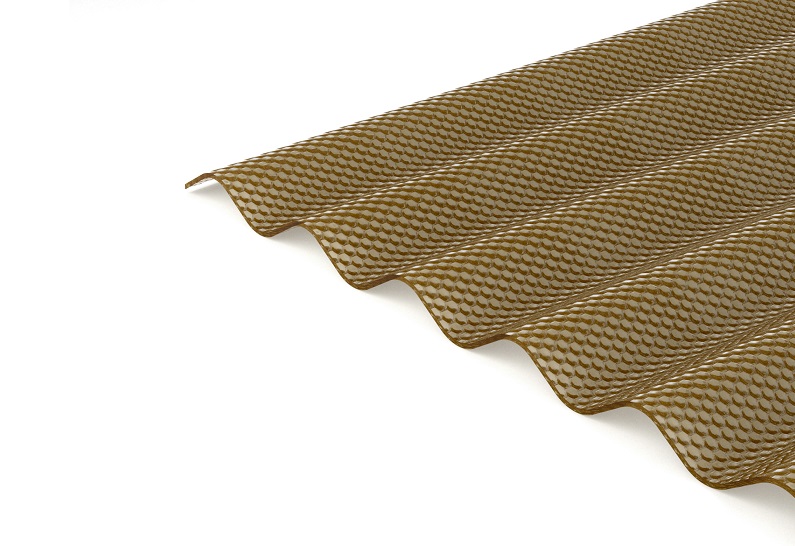
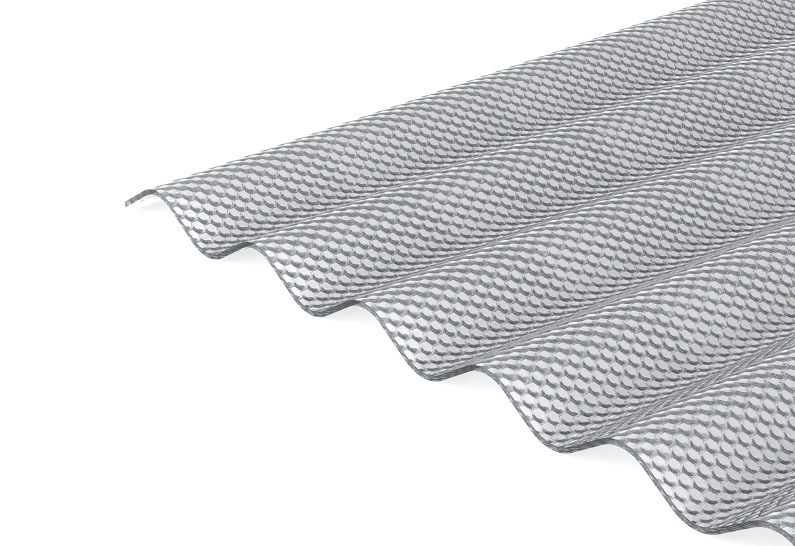
Between a third and nearly all of the daylight, depending on tint. Suntuf Beehive clear passes 87% of light and Beehive bronze 33%, with the Beehive surface diffusing 100% of it to remove glare. Suntuf iron profile clear is rated for high light transmission, around 90% for standard clear Suntuf. For comparison, Palruf clear PVC passes 90%, and bitumen sheets are fully opaque.
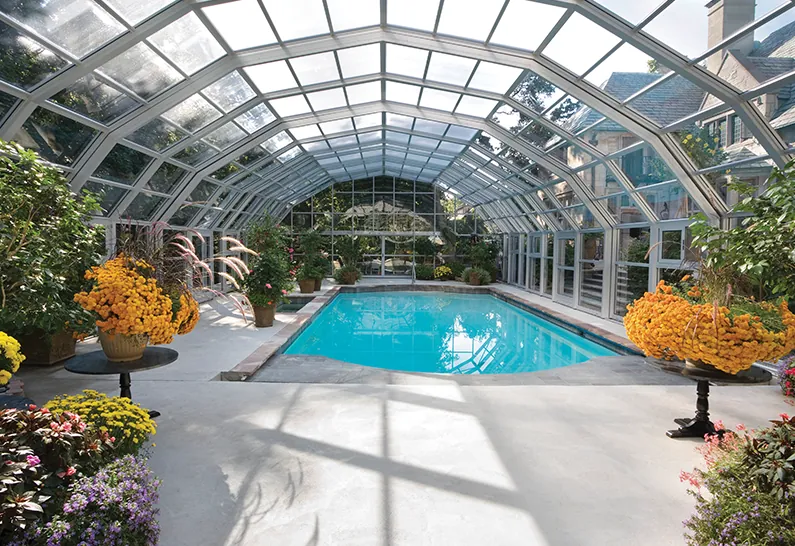
Yes, with care over the detailing. Palram recommends polycarbonate for pool enclosures, and its chemical guide rates 5% sodium hypochlorite, household bleach and calcium hypochlorite as resistant, so diluted pool water and splashes are fine. Wet chlorine gas is not, so keep concentrated dosing chemicals and ammonia cleaners off the sheet. Seal the laps with polycarbonate-compatible sealant and fit foam closures.
Take the full sheet width and subtract one corrugation for the side lap. On the 3 inch profile that is 76mm. Suntuf Beehive is 1045mm wide and Suntuf Iron 900mm, so measure one corrugation on your sheet and deduct it. Only the last sheet on the roof counts at full width. Set rafters to match the sheet's corrugated width.
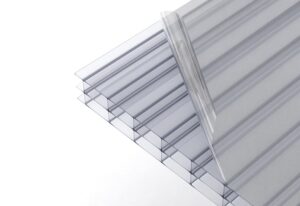
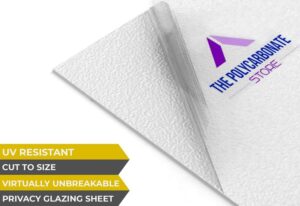
Yes. Suntuf polycarbonate carries a co-extruded UV layer, fused on during manufacture, on one face; a labelled strip marks it and it must face the sky. Palruf clear PVC is UV-stabilised through the sheet instead, a lighter level of protection. Polycarbonate therefore has the stronger UV defence and the longer expected life. Warranty terms are confirmed on your order.