








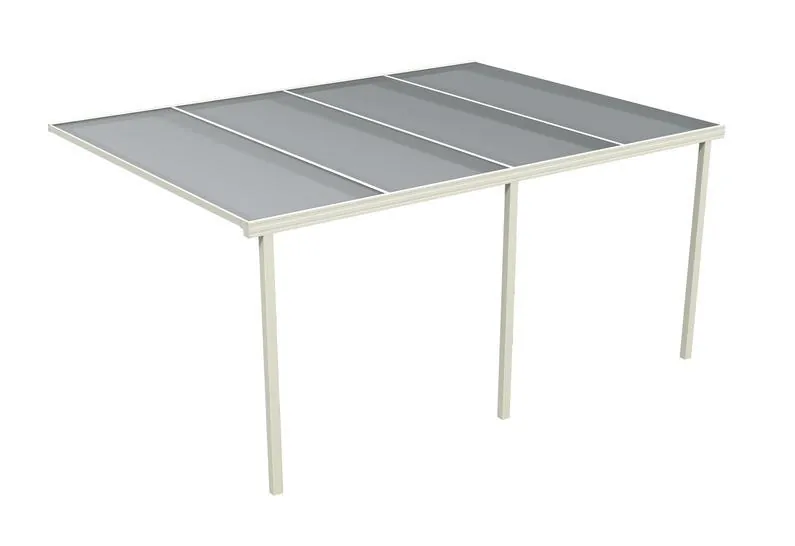
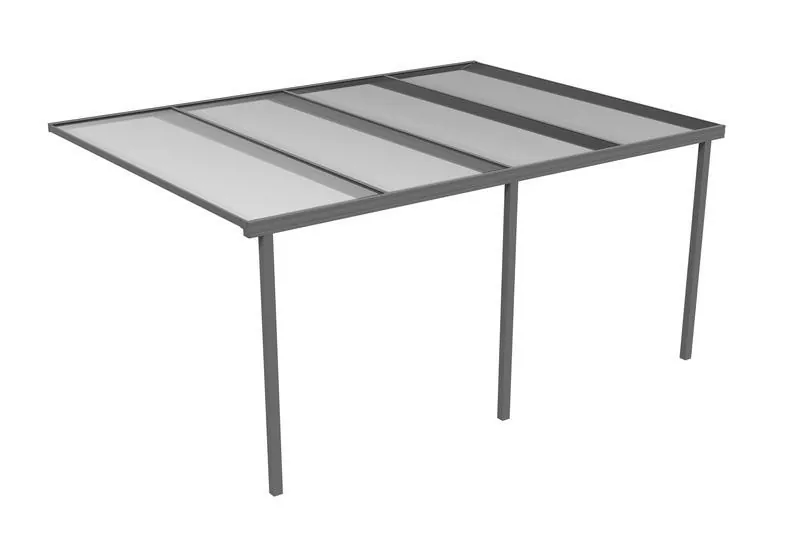
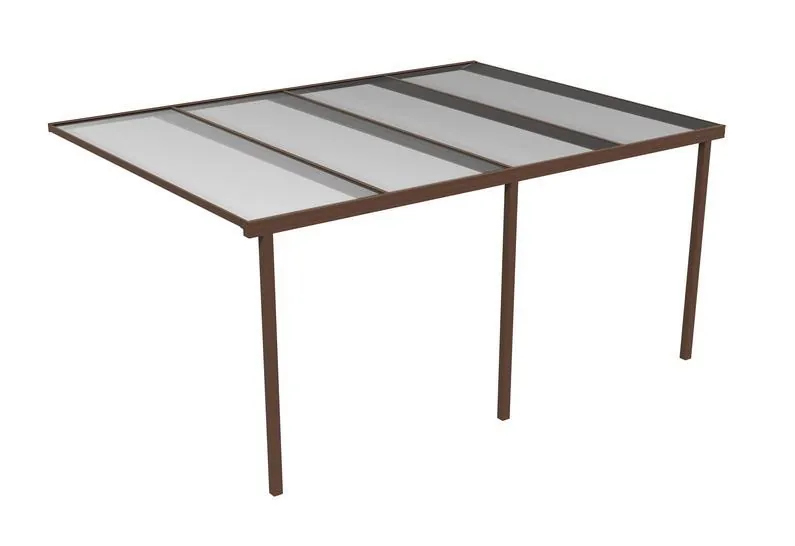

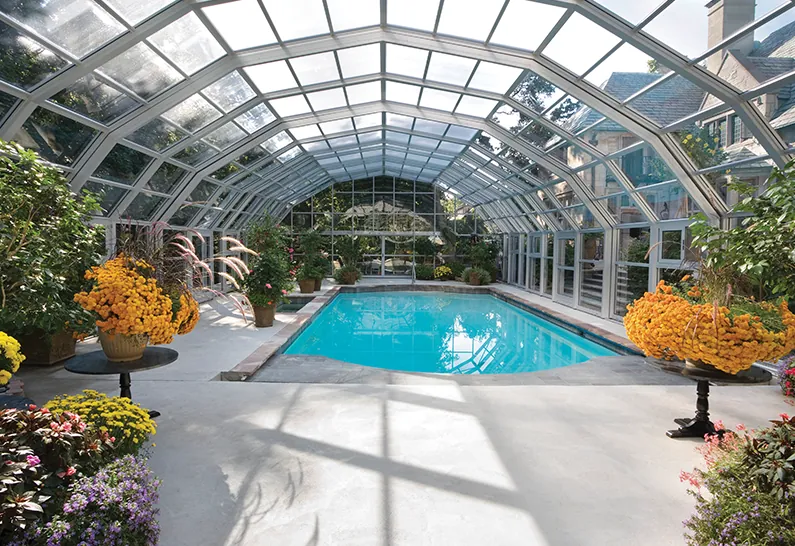




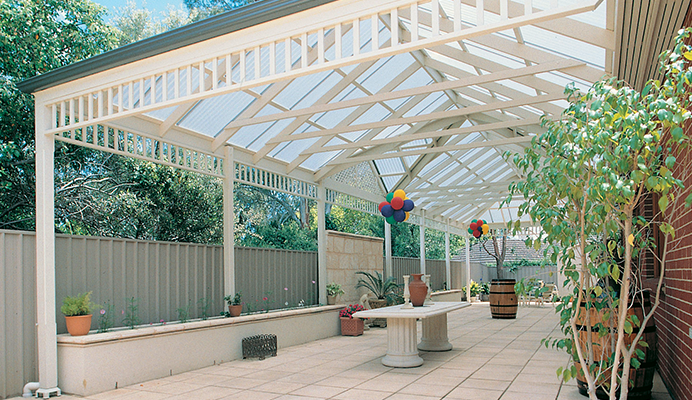
A sudden shower should not mean abandoning the garden table or rushing to bring the cushions indoors. A well-planned terrace roof gives you somewhere sheltered to sit, eat and make more use of your outdoor space.
Polycarbonate roofing is a practical option for patios, terraces, verandas and covered decking. It allows daylight through while providing overhead protection from rain. However, keeping the area underneath dry depends on more than the sheets themselves.
The roof slope, sheet joints, wall flashing and rainwater drainage all need to work together. This guide explains what to consider before you build, how to avoid common installation problems and what to check if your existing patio roof is dripping.
1) Why choose polycarbonate roofing for a terrace?
Polycarbonate combines light weight with high impact resistance, making it useful for outdoor roofing where you want shelter without a heavy, opaque covering.
Depending on the product you choose, it can offer:
- Natural daylight: helping keep the terrace and nearby rooms bright.
- Overhead rain protection: creating a sheltered area for seating, dining or access to the garden.
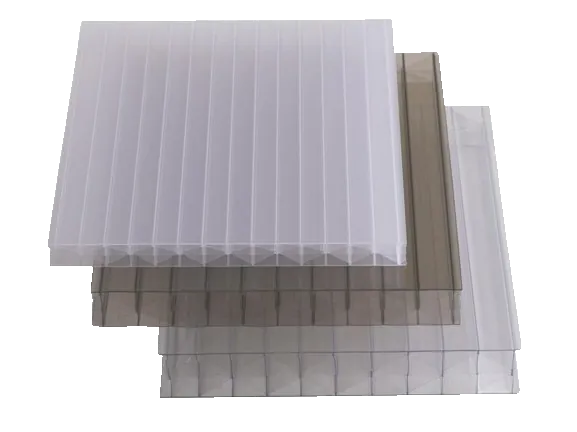
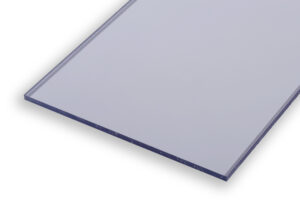
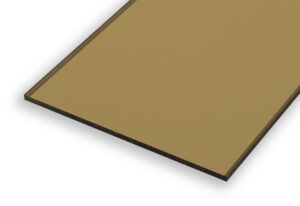
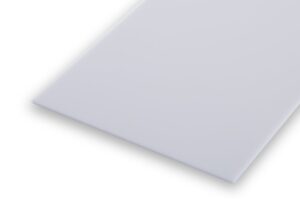
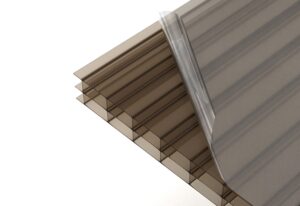
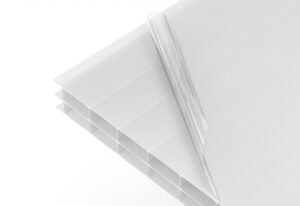
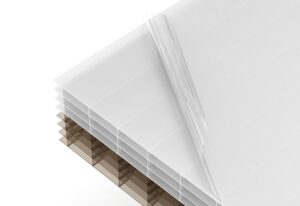
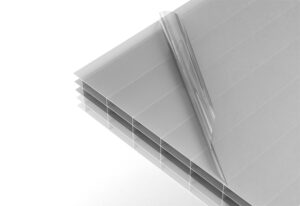
- A choice of finishes: including clear, bronze and opal options.
- UV protection: helping suitable exterior-grade sheets withstand sunlight.
- Different roofing formats: allowing you to choose a system that suits the supporting structure.
Polycarbonate is strong, but the sheets still need the correct supports and fixings. The finished roof must be suitable for its size, location and expected wind and snow loads.
An open-sided terrace will also remain exposed to some wind-driven rain. A roof can greatly improve shelter, but it should not be treated as a promise that every part of the patio will stay dry in all weather.
2) Which roofing sheets are suitable for a patio or terrace?
Start with the structure you are covering and the appearance you want. Different sheet types use different supports, joints and installation methods.
Multiwall polycarbonate
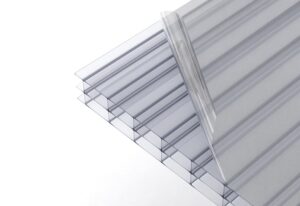
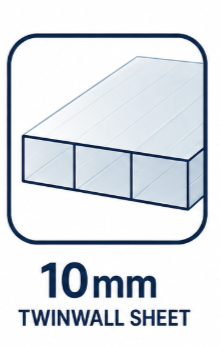
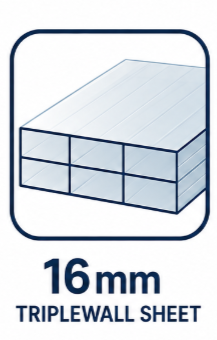
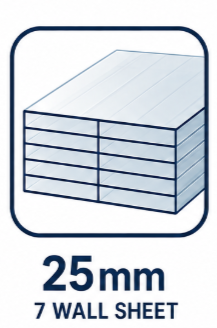
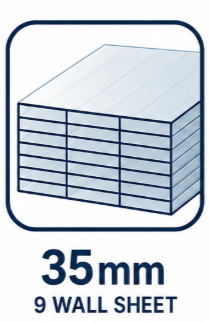
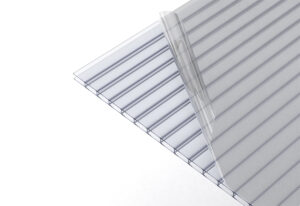
Multiwall polycarbonate roofing sheets contain hollow channels, known as flutes. Their lightweight structure makes them a practical choice for many lean-to roofs, verandas and patio covers.
They need suitable glazing bars and properly finished flute ends. Choose the thickness alongside the support spacing and loading requirements; thickness alone does not tell you whether a sheet is suitable for a particular roof.
Corrugated polycarbonate
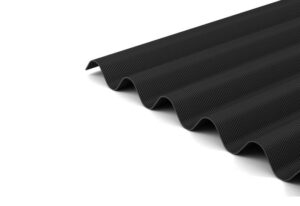
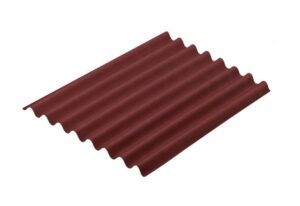
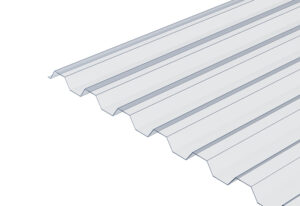
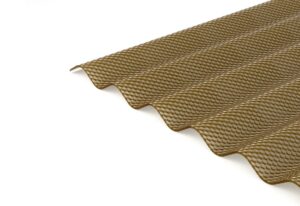
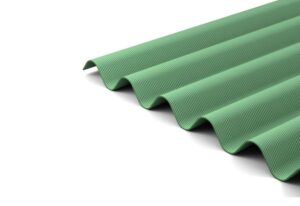
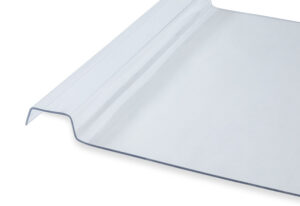
Corrugated polycarbonate roofing sheets use a profiled shape and overlapping joints. They can suit pergolas, patio shelters and other outdoor structures when installed with the specified supports and fixings.
Follow the instructions for the particular profile. Overlaps, fixing positions and minimum roof slopes are not identical across all corrugated products.
Solid polycarbonate
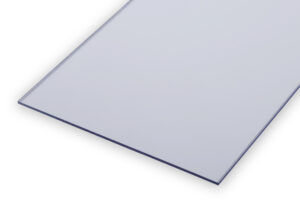
Solid polycarbonate sheets provide a glass-like appearance without the hollow channels found in multiwall sheets.
For terrace roofing, they need a glazing system and supporting structure designed for the chosen sheet dimensions and loads. Do not assume that a flat solid sheet can replace another roofing product without checking the installation requirements.
Corrugated PVC
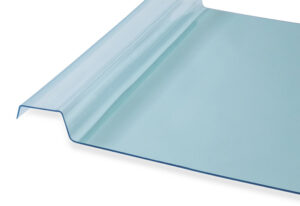
Outdoor-grade corrugated PVC roofing sheets can be another option for suitable patio shelters. Check their intended use, support requirements and temperature limitations before ordering.
Polycarbonate and PVC have different material properties, so their installation details should not be treated as interchangeable.
3) Give rainwater a clear route off the roof
Plan the roof pitch before building
Roof pitch is the angle of the roof. On a typical lean-to, the highest point is against the wall and the lowest point is at the front, where rainwater runs towards the gutter.
At The Polycarbonate Store, we generally recommend a 10° pitch for multiwall terrace roofing where the chosen system permits it. However, always follow the minimum pitch and installation requirements for your particular sheets and glazing system.
At 10°, allow approximately 176mm of height difference for every 1m of horizontal projection. For a 3m horizontal projection, that is approximately 529mm between the high and low points.
Check that the resulting front height leaves comfortable headroom and that the wall fixing position clears doors and windows.
Fit guttering and plan where it drains
Without guttering, water can pour off the front edge, splash onto the paving and wet the seating area below.
We strongly recommend guttering on terrace roofing frameworks. Plan:
- Where the gutter will collect water.
- Where the downpipe will sit.
- Where the water will discharge.
- How you will access the gutter for cleaning.
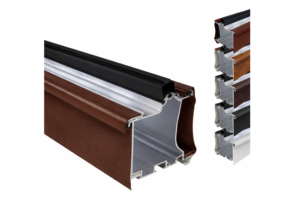
For roofs assembled from separate sheets and glazing components, guttering needs to be sourced separately. Some complete canopy systems have integrated drainage, so check what is included with your chosen system.
Check the roof overhang
The sheet edge needs to discharge water into the gutter correctly. Too little overhang may allow water to track behind it, while excessive unsupported overhang can leave the sheet vulnerable to movement.
Use the overhang specified for your roofing system. Making the sheets project further is not a substitute for designing a larger, properly supported roof.
4) Pay attention to the joints and wall connection
Use the correct glazing or fixing system
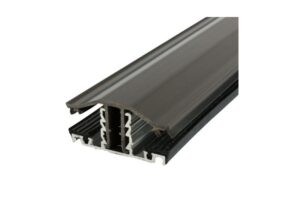
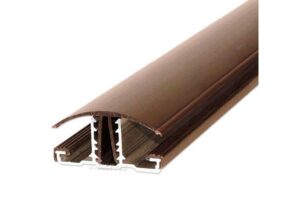
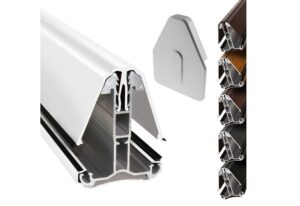
Multiwall sheets are commonly installed using suitable glazing bars. Rafter-supported glazing bars need supporting rafters beneath them.
Self-supporting glazing bars are a different system, with their own span limits and requirements for support at each end. Check which system you are buying before setting out the framework.
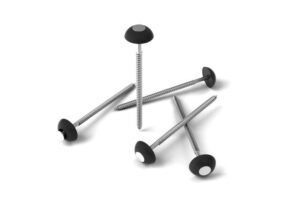
Corrugated sheets use their specified overlaps and fixings instead. Follow the guidance for that product rather than applying multiwall glazing-bar instructions.
Allow for expansion and contraction
Polycarbonate expands as it warms and contracts as it cools. Insufficient clearance or overtightened fixings can put the sheets under stress.
Use the expansion allowances, engagement depths and hole sizes specified for the product and sheet dimensions. There is no single clearance that suits every roof.
Weatherproof the wall-to-roof junction
On a lean-to terrace roof, rainwater can find its way through the junction between the roof and the building unless it is properly weathered.
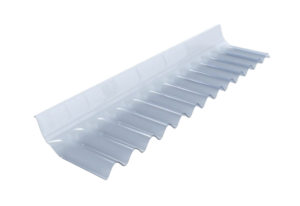
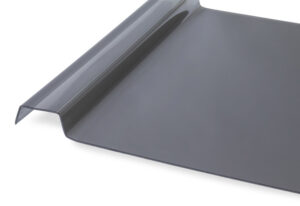
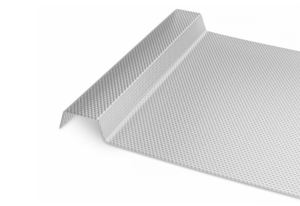
Use a suitable flashing detail that bridges this junction and directs water onto the roof. Where flashing tape is appropriate, check that it is compatible with the roofing material and the surfaces it will contact.
Prepare the surfaces and follow the manufacturer’s instructions for primers, overlaps and application conditions. Our guide to flashing tape for polycarbonate explains the importance of choosing a compatible product.
5) Finish multiwall sheet ends properly
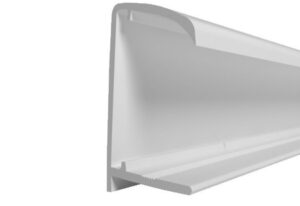
The open flutes at the ends of multiwall sheets need the correct tapes and closures.
For a typical straight, pitched roof:
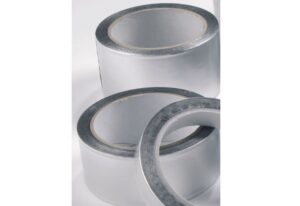
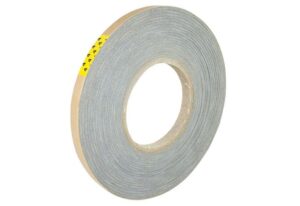
- Upper end: use aluminium sealing tape.
- Lower end: use anti-dust breather tape.
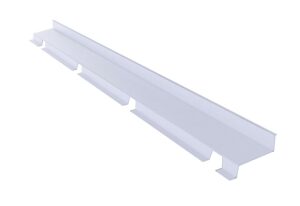
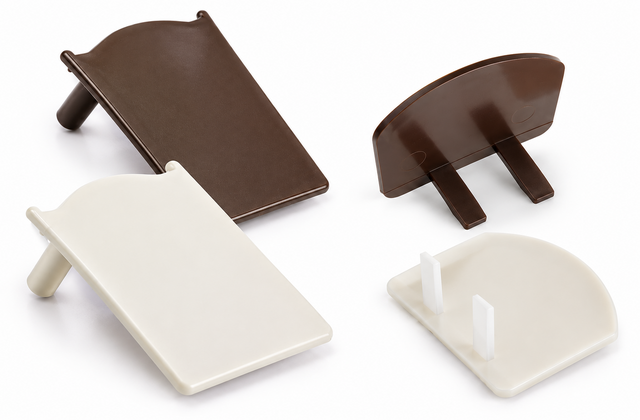
- Lower taped edge: protect it with a suitable PVC sheet closure.
The breather tape allows ventilation while helping keep dust and insects out. The closure protects the tape and finishes the exposed edge. Keep the drainage route clear rather than filling the profile with silicone.
We also recommend a closure at the upper end where the system allows, particularly on freestanding structures. On a lean-to, this does not replace the wall flashing.
Read our sheet closure installation guide before fitting the end profiles.
6) Check whether dripping is rainwater or condensation
Water underneath a roof does not always mean rain has passed through it.
Condensation forms when moisture in the air meets a sufficiently cold surface. It can collect as droplets underneath roofing sheets, including on covered patios.
As an initial check:
- Water concentrated around a joint, fixing or wall connection during rain may indicate a leak.
- Fine droplets spread across the underside, including when it has not rained, may indicate condensation.
- Water spilling over a gutter suggests a drainage problem that needs checking.
These are clues rather than a definite diagnosis. Inspect where the water first appears instead of immediately adding sealant.
Ventilation can help manage condensation, but no ordinary open-sided terrace roof should be described as completely condensation-free. Our guide to condensation in polycarbonate roof sheets explains the issue in more detail.
7) Keep the roof and drainage clear
A small amount of routine care helps you spot problems before they become persistent leaks.
Remove leaves and debris from accessible drainage routes, check gutter outlets and inspect flashing, closures and fixings after severe weather.
Clean polycarbonate with a soft cloth or sponge, lukewarm water and a suitable mild detergent, then rinse thoroughly. Avoid abrasive pads, scraping tools and unapproved chemicals. Never walk directly on the sheets; use a safe access method or arrange professional help.
Keep outdoor cushions and other moisture-sensitive items protected when they are not in use. Even beneath a roof, they can be affected by sideways rain, splashes and damp air.
8) Planning your terrace roof with The Polycarbonate Store
Before ordering, make a note of the roof width, horizontal projection, available wall height, proposed pitch and supporting framework.
Think about where you want the sheltered seating area to sit, how much daylight you want to retain and where rainwater will go.
Browse our polycarbonate roofing sheets and canopy systems, or contact The Polycarbonate Store for help choosing suitable products.
9) Terrace roofing FAQs
Will a polycarbonate roof keep my terrace completely dry?
A correctly installed roof provides overhead rain protection. However, an open-sided terrace can still receive wind-driven rain and splashes around its edges. Plan the covered area around the furniture you want to shelter, rather than expecting the roof edge to mark a completely dry boundary.
What thickness of polycarbonate should I use for a patio roof?
The right thickness depends on the sheet type, support spacing, roof dimensions and expected loads. Check the manufacturer’s span information and the glazing system requirements. Choosing a thicker sheet does not remove the need for suitable supports.
Can I fit polycarbonate sheets onto an existing pergola?
Possibly, but check the framework first. An open pergola may not have the slope, support spacing, connections or foundations needed for a roof. Adding sheets also changes how the structure responds to wind. Have its suitability assessed before covering it.
Can a polycarbonate terrace roof be flat?
A roof needs sufficient fall for drainage. Do not install it level unless the complete system is specifically designed for that application. Follow the minimum pitch for the selected roofing product.
Do I need guttering on a small patio roof?
We strongly recommend it. Even a small roof concentrates rainfall along its lower edge. Guttering helps prevent a curtain of water, reduces splashing and lets you direct run-off away from the seating area.
Why does my patio roof drip when it is not raining?
Condensation is one possible cause. Moisture can form on the cold underside of the sheets and eventually drip. Check whether droplets are spread across the surface or concentrated around a particular joint, and investigate before attempting a repair.
Is polycarbonate roofing noisy in heavy rain?
Rain hitting polycarbonate is audible. The sound depends on the sheet construction, roof size, supports and installation. Do not choose it on the assumption that it will be silent during a downpour.
Should I choose clear, bronze or opal sheets?
Clear sheets generally suit projects where retaining daylight and a view through the roof are priorities. Bronze provides a tint, while opal diffuses light. Compare the individual product’s light-transmission and solar-performance figures rather than relying on colour alone.
Will a polycarbonate roof make the terrace too hot?
It can become warm beneath transparent roofing in strong sunlight. Orientation, ventilation, glazing colour and solar performance all matter. UV protection does not automatically mean heat control.
Can I repair a leaking joint by adding more silicone?
First identify why it is leaking. A displaced profile, unsuitable fixing, insufficient expansion allowance or failed flashing may need a specific repair. Extra silicone can obstruct drainage or conceal the underlying problem. Use only sealants confirmed as compatible with the roofing material.
Can I walk on the sheets to clean the roof?
No. Never stand or walk directly on polycarbonate roofing sheets. Their impact resistance does not make them a safe working platform.
Will a terrace roof protect my furniture all year?
It reduces direct rainfall from above, but an open-sided canopy cannot exclude all moisture. Follow the furniture manufacturer’s care guidance and store cushions and other vulnerable items appropriately during wet or colder periods.




Leave a Reply