








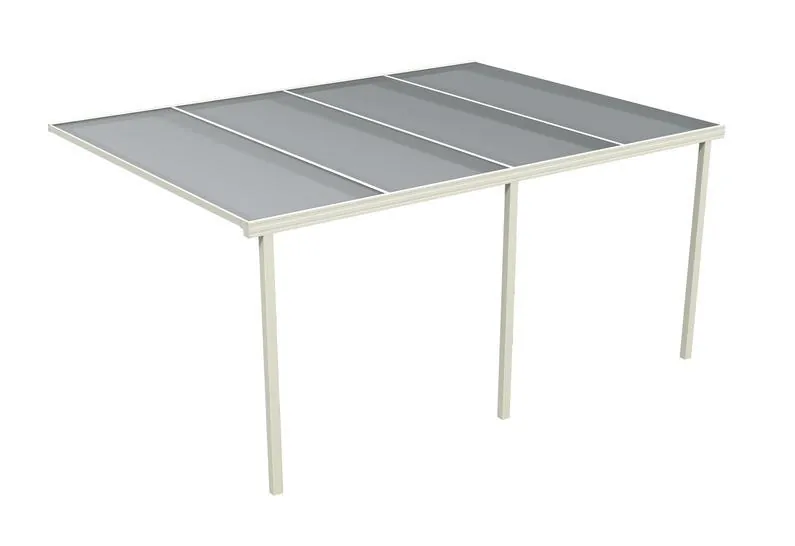
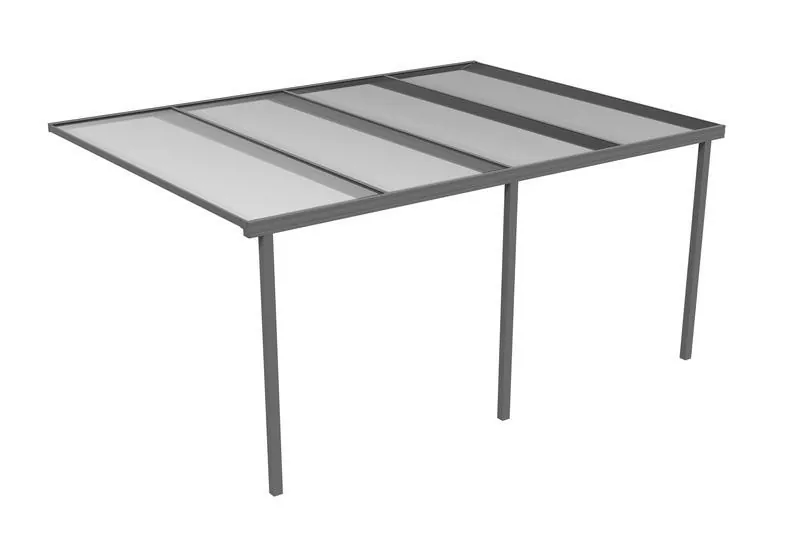
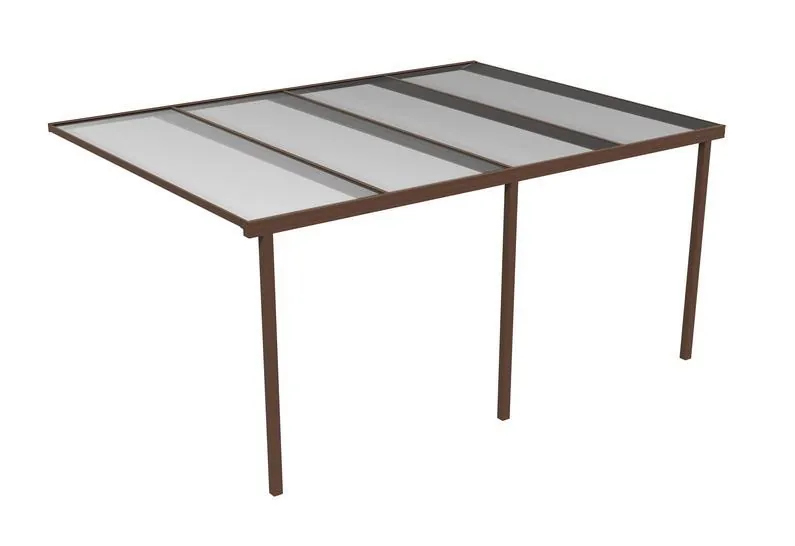

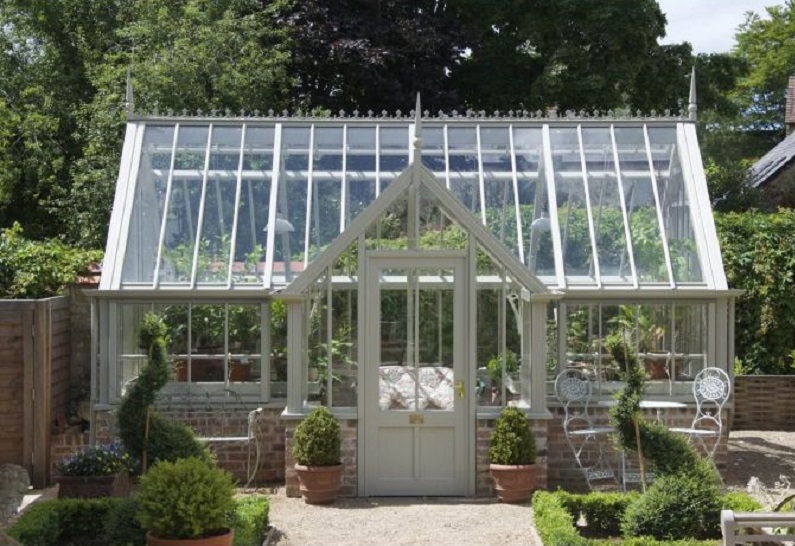
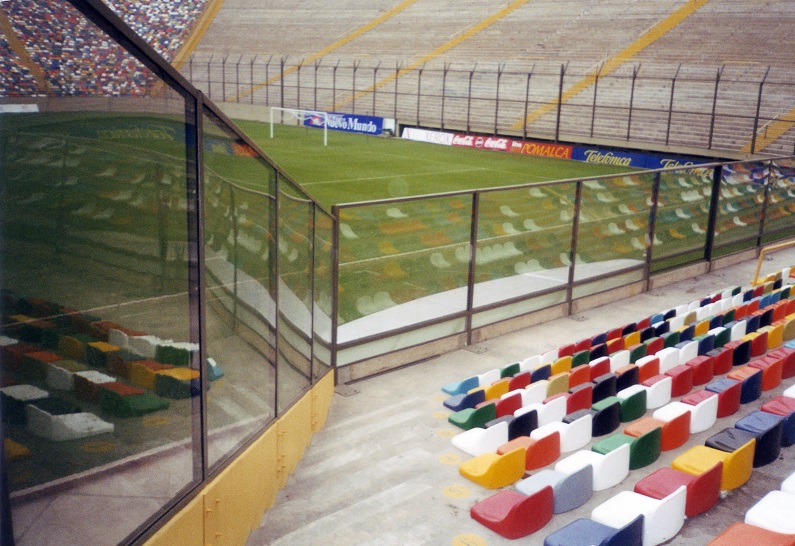


Polycarbonate is a strong, lightweight plastic best known for combining transparency with high impact resistance. Often shortened to PC, it belongs to a group of materials called engineering thermoplastics: plastics developed to offer dependable mechanical performance.
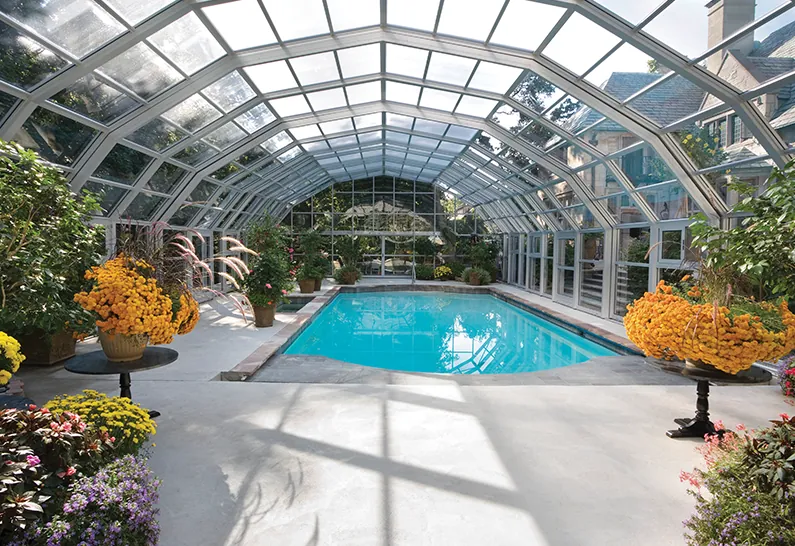
For anyone buying roofing or glazing, its appeal is practical. Polycarbonate can let daylight through while providing a tough alternative to glass, with different sheet structures available to suit different requirements.
What makes polycarbonate different?
Polycarbonate’s strength comes from its ability to absorb impact without breaking as readily as more brittle glazing materials. It is also relatively light: solid polycarbonate weighs approximately half as much as glass of the same thickness.
That combination can make sheets easier to handle and reduce the glazing weight carried by a structure. It does not remove the need for suitable supports, fixings or the correct sheet thickness.
Understanding the different sheet types
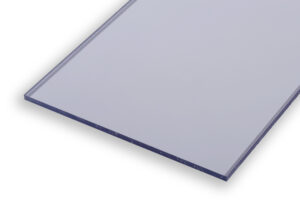
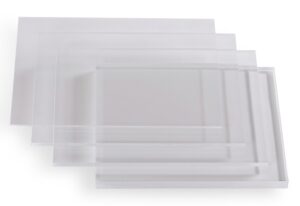
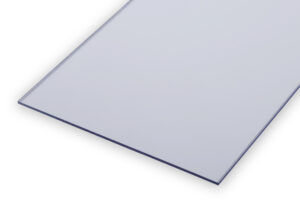
Solid polycarbonate is a continuous sheet without internal channels. Clear versions provide a view through the material, making them useful where transparency matters.
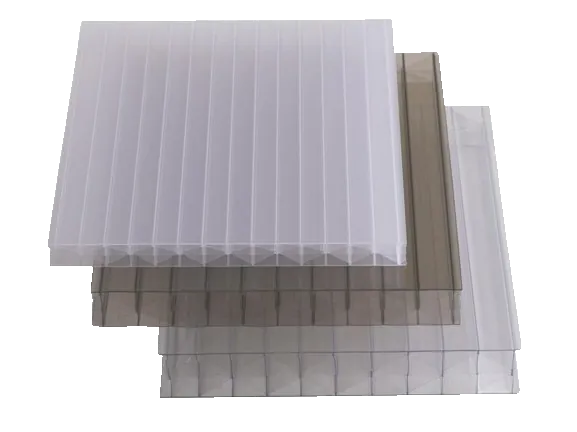
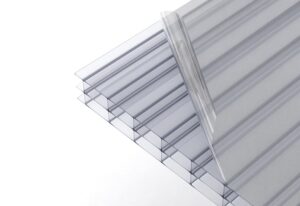
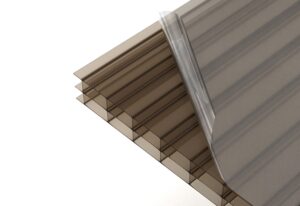
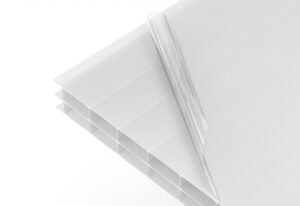
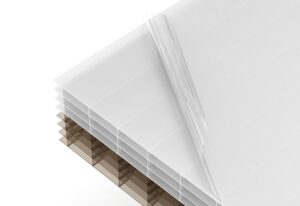
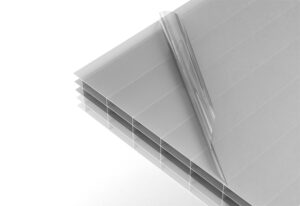
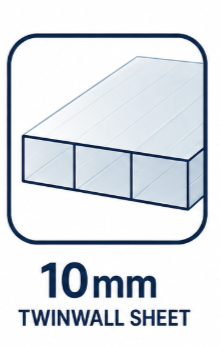
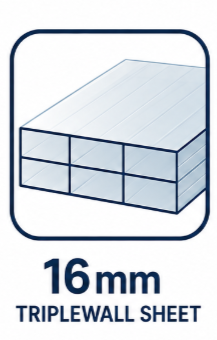
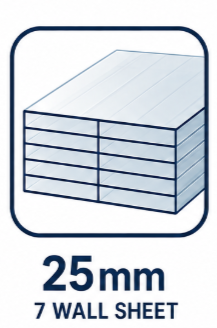
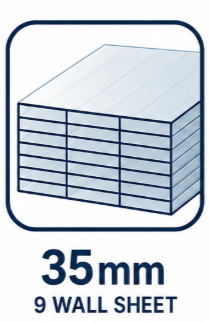
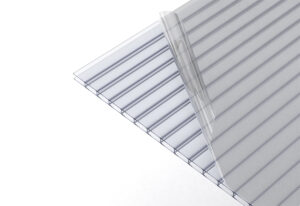
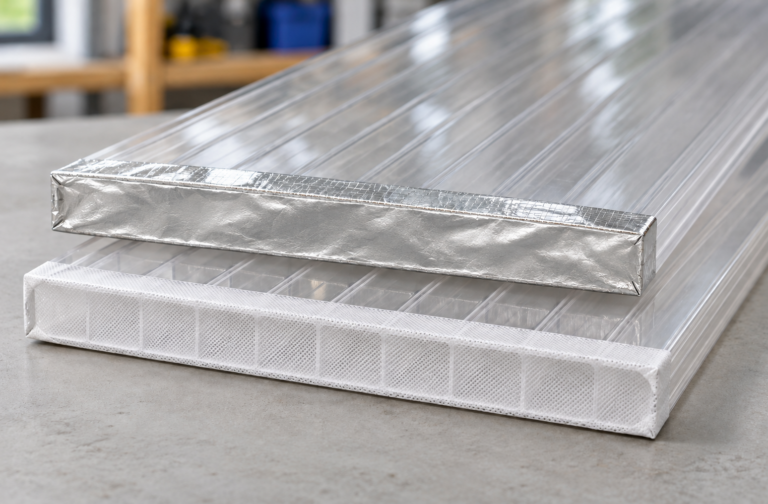
Multiwall polycarbonate has internal walls and air spaces. Twinwall is part of this family. These structures reduce weight and improve insulation, although performance varies with the exact sheet construction and thickness.
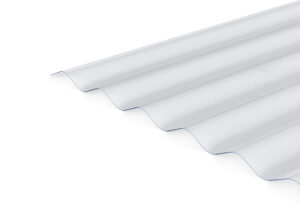
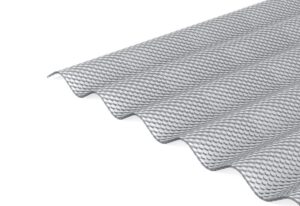
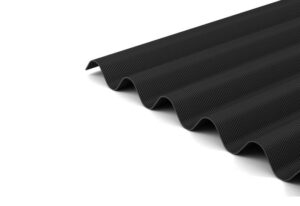
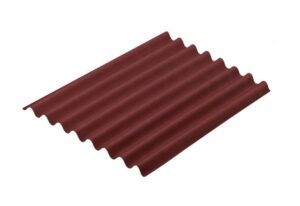
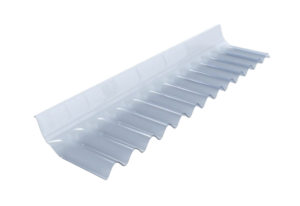
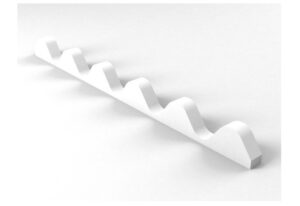
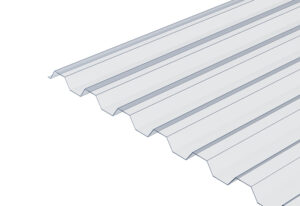
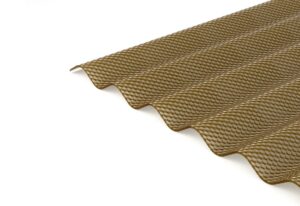
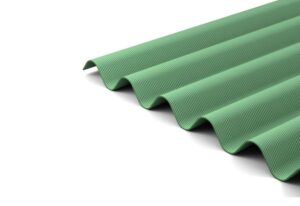
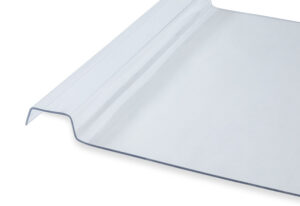
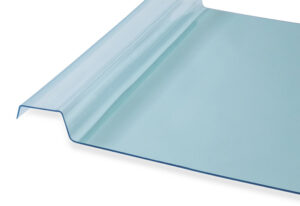
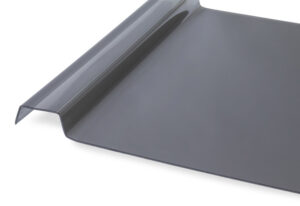
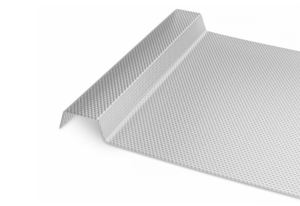
Corrugated polycarbonate is formed into a repeating profile for roofing and cladding. It uses a different installation arrangement from flat multiwall glazing, so the sheets and accessories are not interchangeable.
For practical project examples, read our guide to what polycarbonate is used for.
Light, insulation and outdoor performance
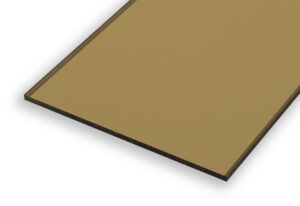
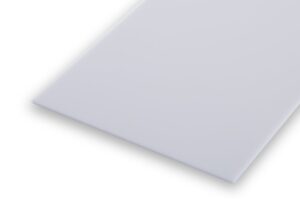
The word “polycarbonate” does not tell you exactly how much daylight a sheet transmits. Colour, thickness, surface finish and internal structure all affect the result. Clear, bronze and opal sheets can produce noticeably different levels of brightness and privacy.
Insulation and solar control are also separate properties. Multiwall construction helps reduce heat transfer, while solar-control products are designed to reduce incoming solar heat. An ordinary clear sheet should not be assumed to keep a sunny space cool.
For outdoor use, choose a suitably UV-protected product and follow its installation markings. The protective layer helps limit deterioration from sunlight; it is separate from the temporary film removed during installation. Find out more in our polycarbonate UV protection guide.
At The Polycarbonate Store, we can help you compare sheet options against your project requirements. Contact our team with your measurements and intended use before ordering.
FAQs
What does thermoplastic mean?
A thermoplastic softens when sufficiently heated and hardens again when cooled. This allows manufacturers to form polycarbonate into sheets and other shapes. It does not mean finished roofing panels should be heated during installation.
Are polycarbonate and acrylic the same material?
No. Both are thermoplastics, but they have different properties. Polycarbonate generally offers greater impact resistance, while acrylic is often chosen for its clarity and surface finish. The right choice depends on what the panel needs to withstand.
Does all polycarbonate have the same fire rating?
No. Fire classification depends on the specific product, thickness, colour and test standard. Check the relevant manufacturer documentation rather than applying one rating to every polycarbonate sheet. Polycarbonate should not be described as fireproof.
Will polycarbonate turn yellow outdoors?
Unprotected polycarbonate can deteriorate with prolonged UV exposure. Outdoor grades use UV protection to help resist this process. Correct orientation, installation and care remain important, and any warranty conditions apply to the particular product supplied.
Is polycarbonate completely maintenance-free?
No. It benefits from gentle cleaning, and standard sheets can scratch or be affected by incompatible chemicals. Follow the manufacturer’s cleaning instructions and check compatibility before applying cleaners, adhesives or sealants.




Leave a Reply