








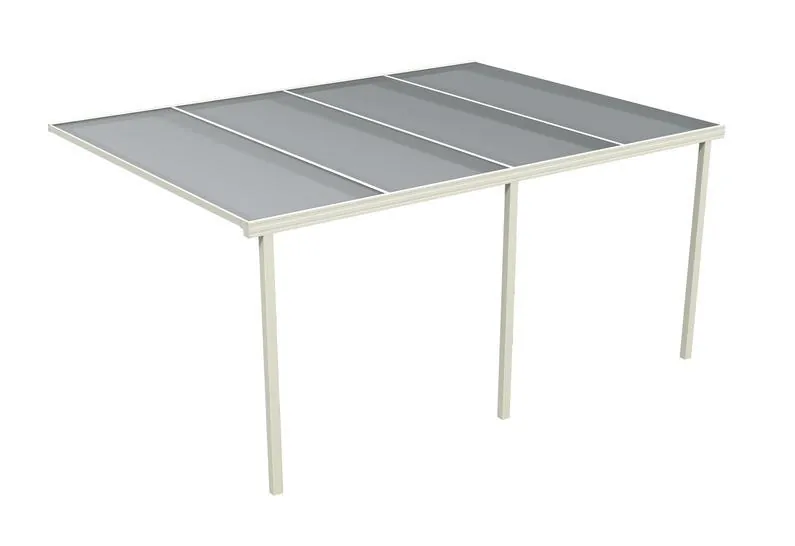
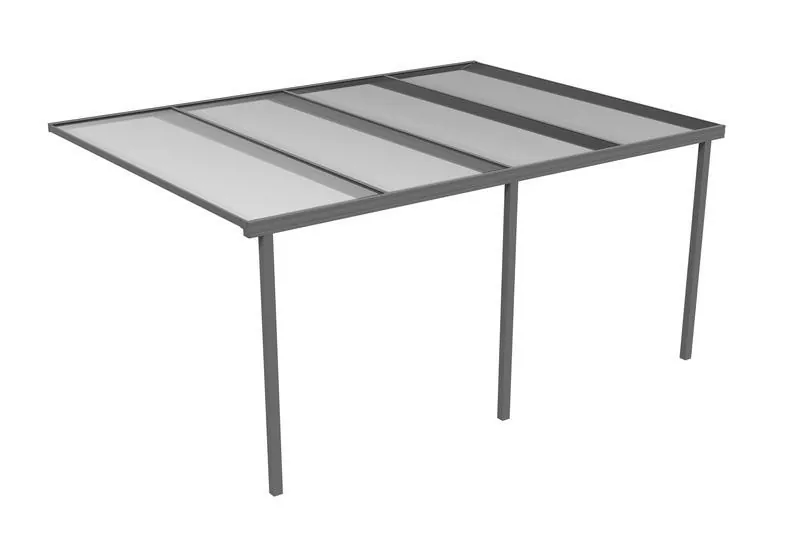
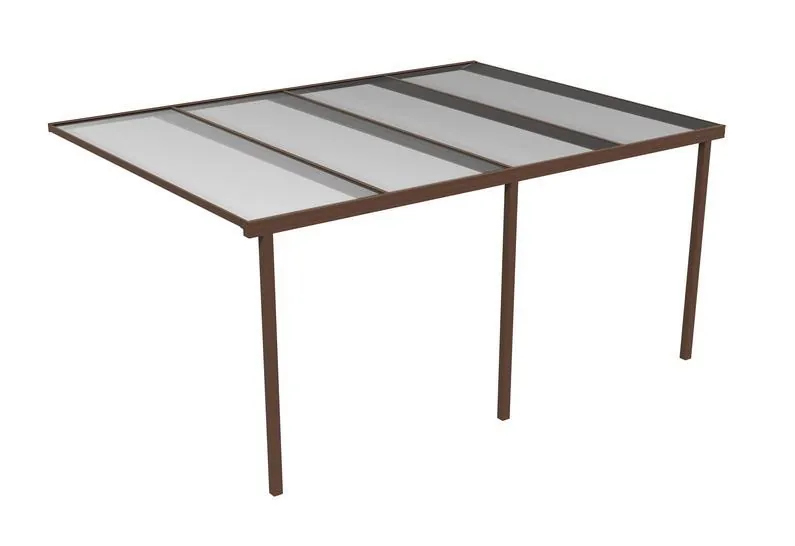



A polycarbonate carport gives your vehicle overhead shelter while keeping your driveway light and open. It can reduce direct exposure to rain, falling leaves and bird droppings, and make everyday jobs such as unloading the shopping a little more comfortable.
At The Polycarbonate Store, we supply polycarbonate roofing sheets and canopy systems for a range of projects. Whether you are replacing an existing carport roof or planning a new structure, choosing suitable roofing and getting the installation right will help it perform for years to come.
Why choose polycarbonate roofing for a carport?
Polycarbonate combines low weight with high impact resistance, making it a practical choice for carport roofing. Light-transmitting sheets also help avoid leaving the driveway or neighbouring windows in constant shade.
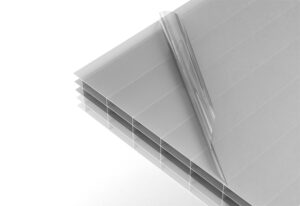
Outdoor polycarbonate roofing incorporates UV protection to help protect the material against weathering. Where sheets have protection on one surface, that surface must face outwards, as indicated on the protective film.
An open-sided carport still allows wind-driven rain, dust and sunlight to enter around the edges. Its main benefit is overhead shelter; the roof cannot guarantee that your car will remain completely dry or frost-free.
Choosing your carport roof
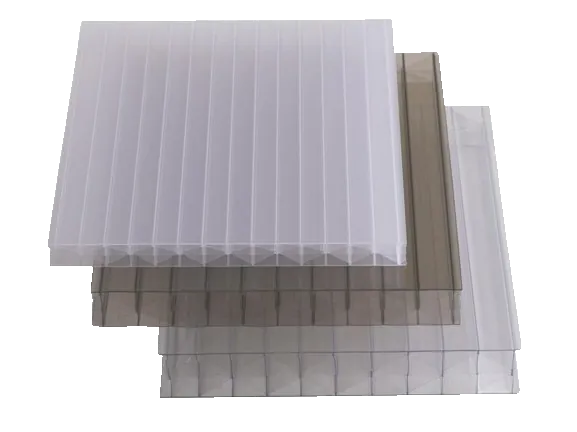
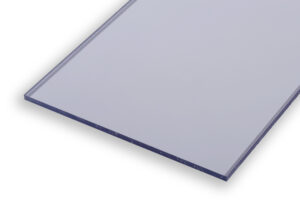
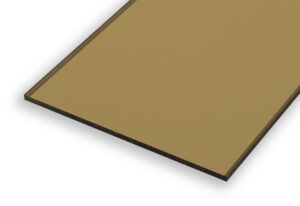
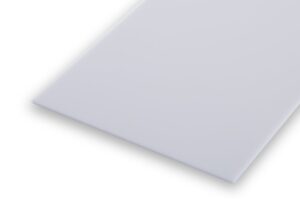
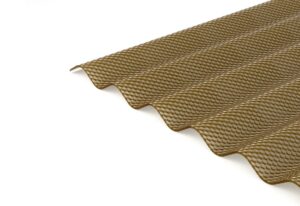
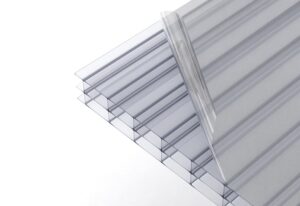
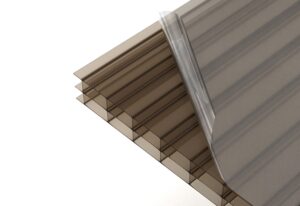
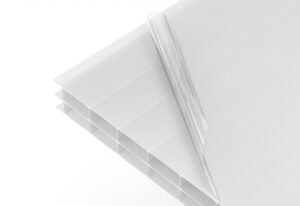
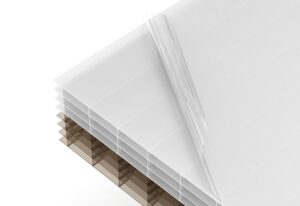
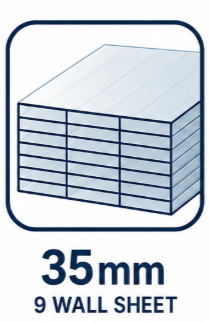
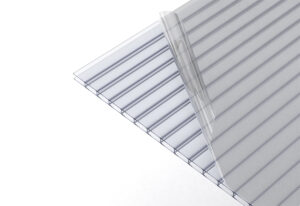
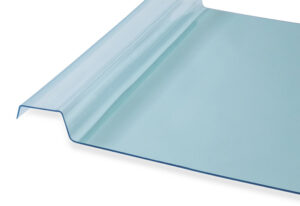
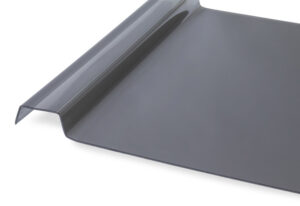
Multiwall polycarbonate roofing sheets are a popular option for carports, with clear, bronze and opal finishes available. Clear sheets maximise daylight, while bronze and opal offer a more shaded or diffused appearance. The internal walls provide insulation, although an open carport will still follow outdoor temperatures.
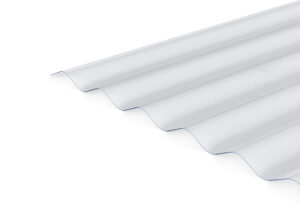
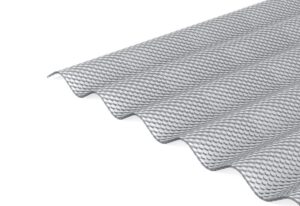
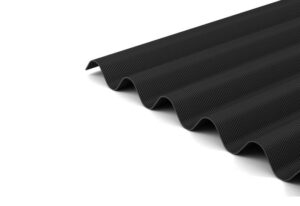
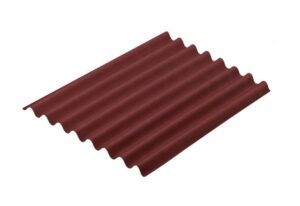
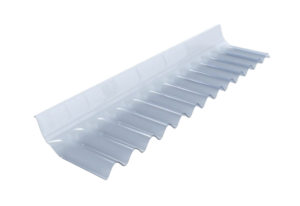
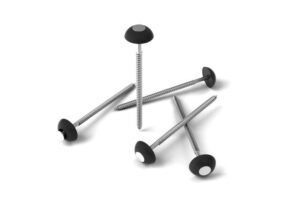
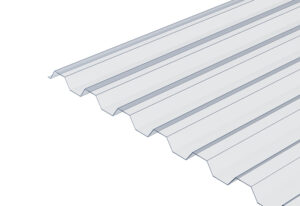
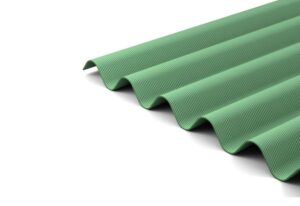
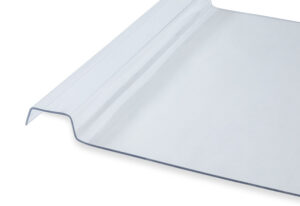
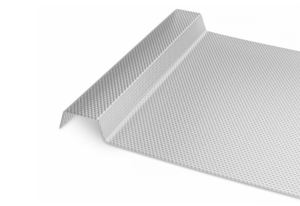
Corrugated polycarbonate roofing sheets offer a lightweight alternative with a traditional roofing profile. They require the correct supports, overlaps and compatible fixings for the selected sheet.
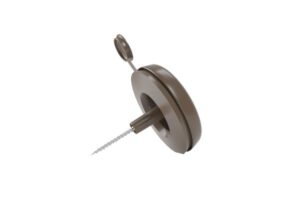
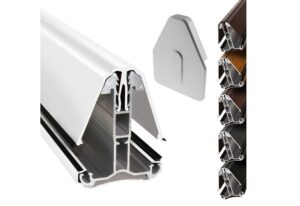
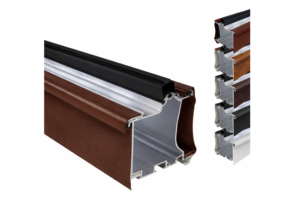
If you need the framework as well as the roof, explore our canopy systems. Always check what is included and whether the system suits your proposed location before ordering.
Plan the space and installation
Measure around the vehicle with its doors and boot open. Allow enough room to park comfortably, walk past the posts and access the house. Check headroom too, particularly if you use a roof rack or drive a taller vehicle.
The supporting structure and anchoring matter just as much as the roofing. Sheet thickness, support spacing and fixings must suit the roof dimensions and expected loads. High impact resistance alone does not establish the wind or snow resistance of the complete carport.
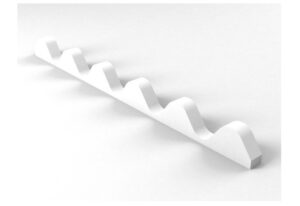
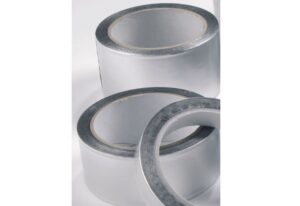
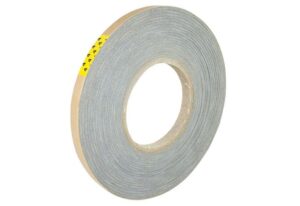
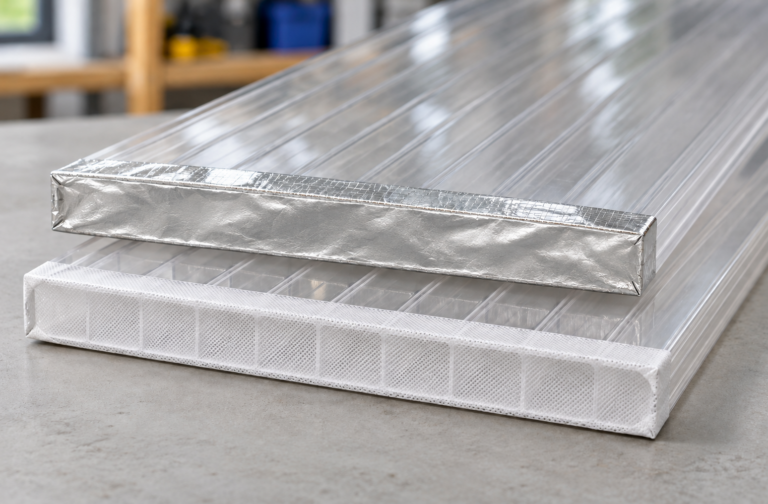
Follow the installation instructions for your chosen system, including its roof pitch and allowance for thermal movement. Polycarbonate expands as it warms and contracts as it cools, so it must have room to move. For multiwall roofs, the internal channels should run down the slope, with suitable end tapes and sheet closures fitted.
Plan where rainwater will drain, keeping runoff away from doorways and neighbouring property. Before fitting, follow our sheet storage advice, and read our roofing installation tips alongside the product instructions.
Need help choosing your roofing? Contact The Polycarbonate Store with your dimensions and details of the supporting structure.
Polycarbonate carport FAQs
What thickness of polycarbonate should I use for a carport?
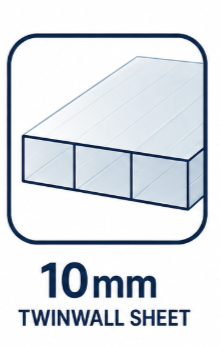
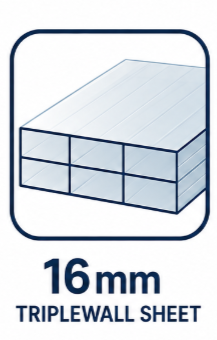
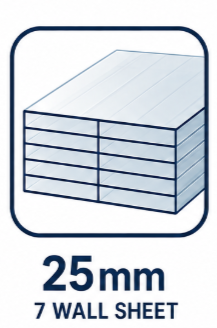
Our customers typically use 10mm or 16mm multiwall polycarbonate for carport roofing. The right choice depends on the roof dimensions, support spacing and loading requirements. Check the sheet’s support guidance before ordering, as all thicknesses need a suitable framework.
Will a polycarbonate carport keep my car cool?
The amount of shade and heat beneath the roof depends on its glazing, position and exposure to sunlight. Clear roofing admits plenty of daylight. Where heat reduction is a priority, consider suitable solar-control roofing rather than relying on UV protection alone.
Can polycarbonate carport roofing withstand hail?
Polycarbonate has high impact resistance, but performance varies between products. Check the selected sheet’s specifications and warranty conditions. No roof should be described as damage-proof.
Why are there droplets underneath my carport roof?
Condensation can form when moisture in the air meets a cold roof surface. Droplets underneath the sheets do not automatically indicate a leak. Read our guide to condensation in polycarbonate roofing for more advice.
Do I need planning permission for a carport?
This depends on your property, location and proposed design. In England, some carports qualify as permitted development, subject to conditions. Attached and freestanding structures can be treated differently. Check with your local planning authority before ordering; building regulations are a separate consideration.




Leave a Reply