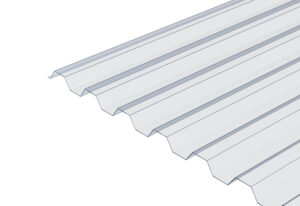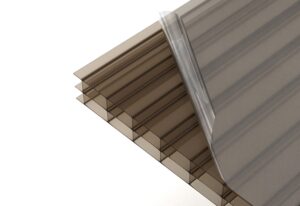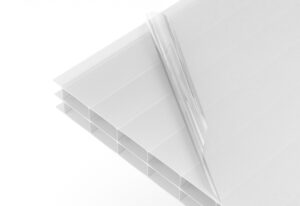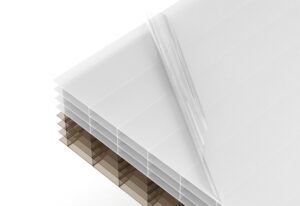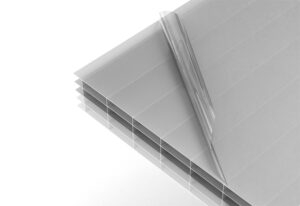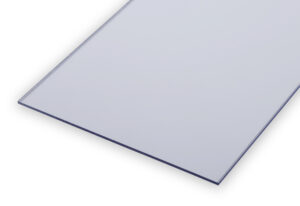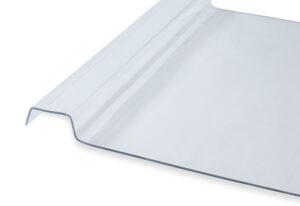








PVC Corrugated Roofing Sheets
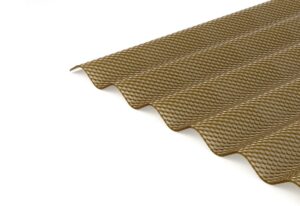
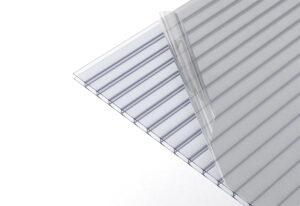
Polycarbonate Corrugated Roofing Sheets
Our range of corrugated roofing sheets are an excellent cost-effective solution for roofing panels that may be damaged or discoloured.
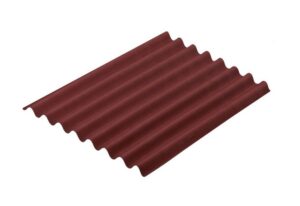
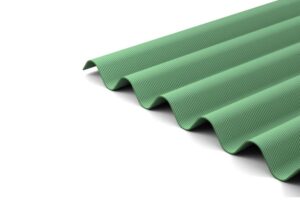
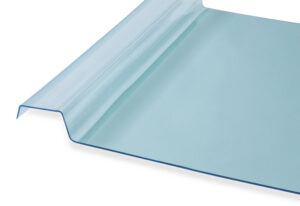
We sell a range of corrugated roofing sheets including clear PVC corrugated sheets and Coloured Bitumen Corrugated Sheets. We also supply a full range of fixings and accessories for the corrugated sheets for polycarbonate roofing projects.
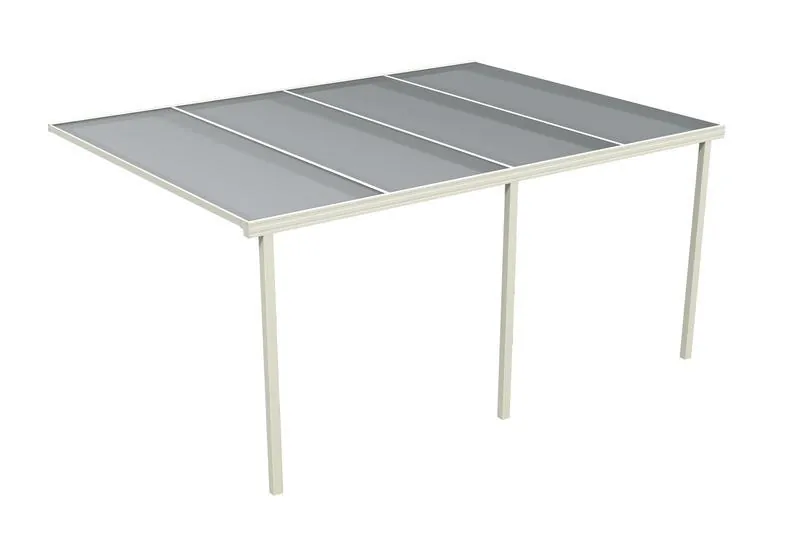
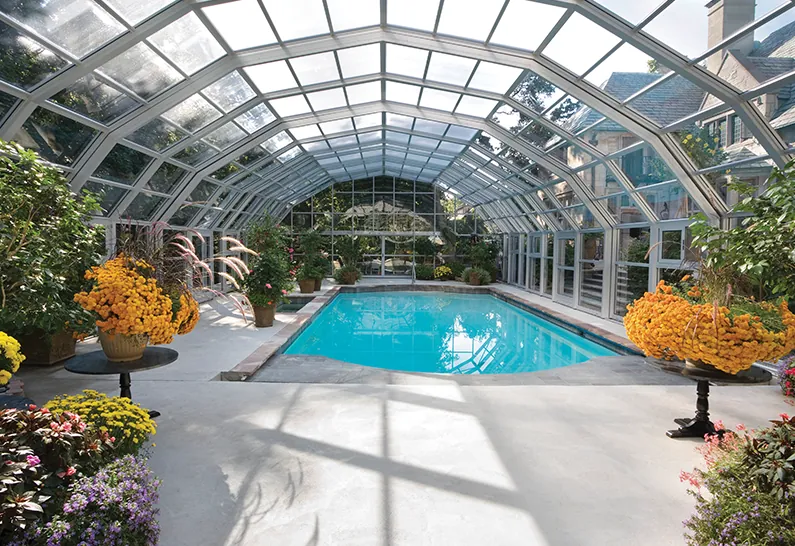
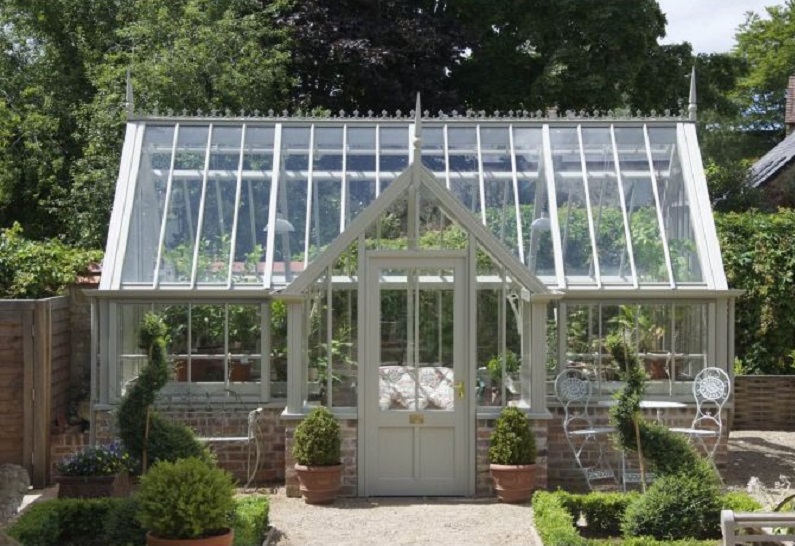
Our plastic corrugated roofing sheets can be used on conservatories, greenhouses and carports and canopies, and more. Check out our range below.
Showing 33–44 of 44 results
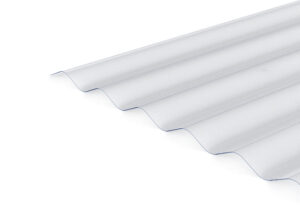
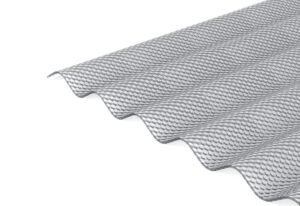
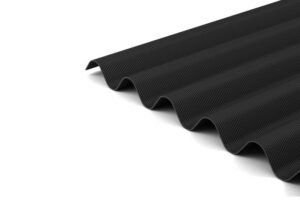
Polycarbonate is the strongest, PVC the cheapest and bitumen the quietest and fully opaque. Suntuf polycarbonate resists hail and impact and lets in up to 87% of light in the Beehive clear version. Palruf PVC is light, easy to cut and suits open-sided structures. Bitumen sheets are dense fibre boards, so they block light and dull rain noise.
Yes, but match the material to the building. Bitumen sheets suit sheds, stables and field shelters where you want an opaque, quiet roof. Palruf PVC suits open-sided or well-ventilated structures such as lean-tos and log stores, not enclosed spaces. Suntuf polycarbonate copes with hail and heavier use on carports, pergolas and larger outbuildings.
Bitumen sheets accept the lowest pitch. Onduline Easyline goes down to 5 degrees, provided the roof is fully boarded below 10 degrees. Our Palruf BT bitumen sheet needs 10 degrees. Suntuf polycarbonate and Palruf PVC need about 7 degrees minimum, with 10 degrees recommended. On any low pitch, water lingers in the laps, so seal them carefully.
Yes, If cutting on site, cross-cut plastic sheets with a fine-tooth saw over timber runners that follow the profile, and rip along the trough with shears or a heavy-duty knife. Bitumen cuts with an oiled coarse handsaw. Clamp the sheet, wear eye protection and drill fixing holes oversize. For a cut-to-length quote, email the sales team.
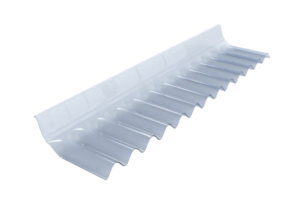
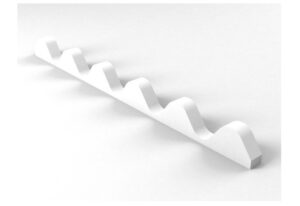
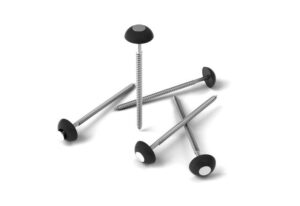
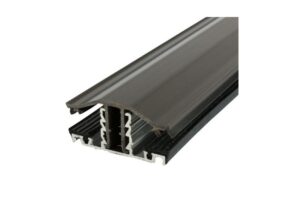
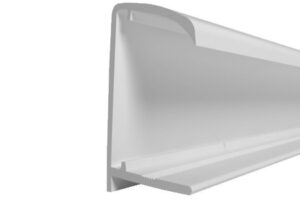
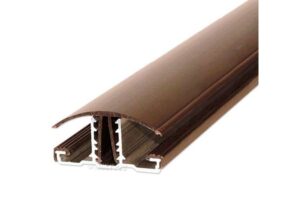
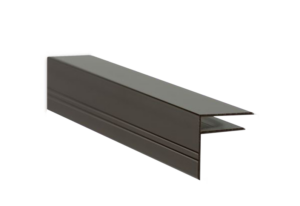
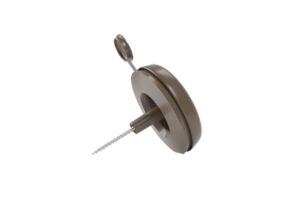
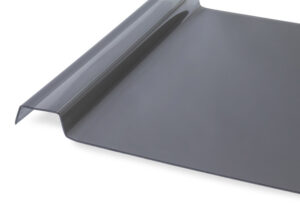
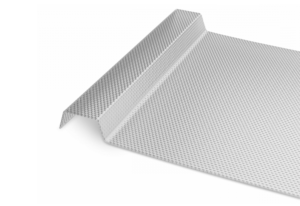
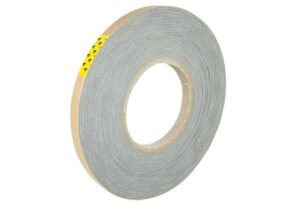
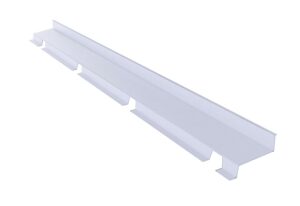
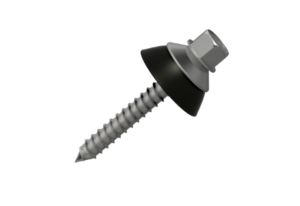
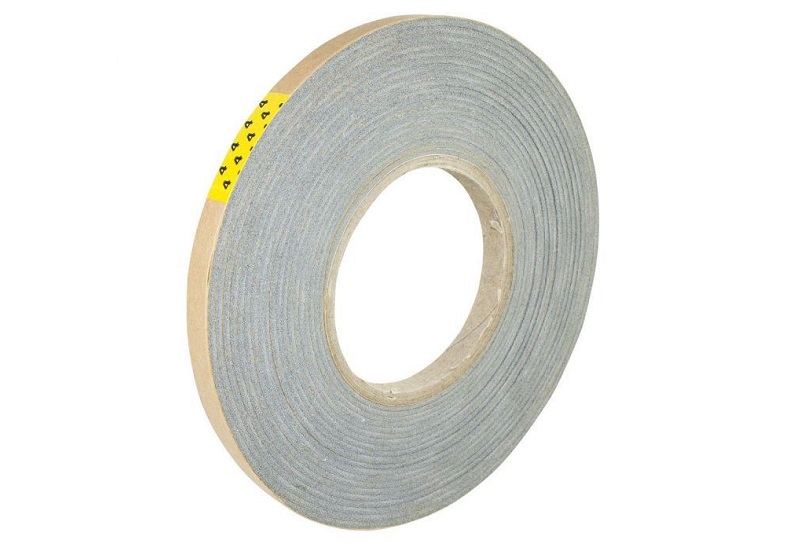
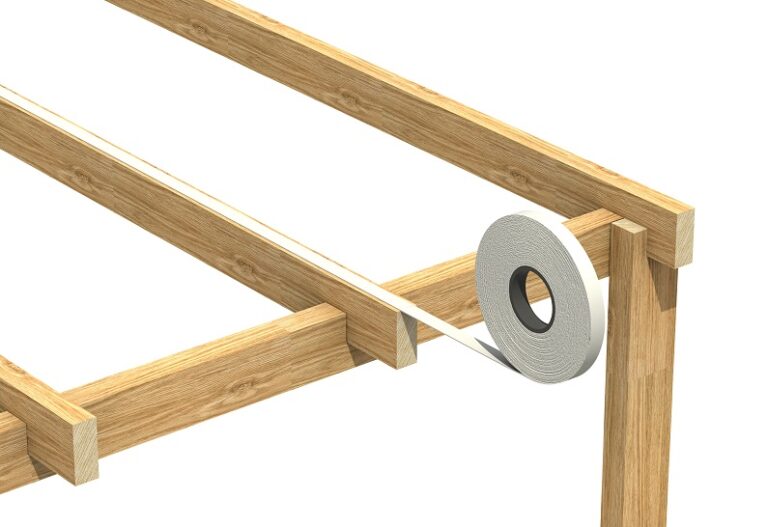
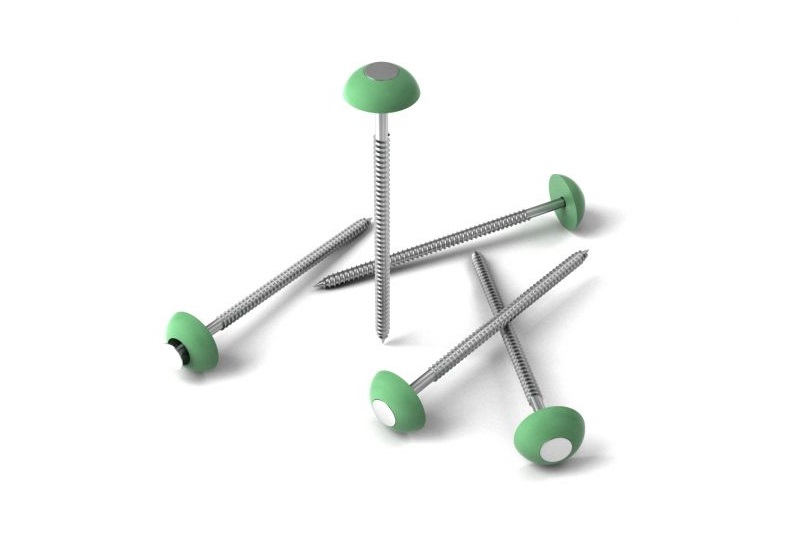
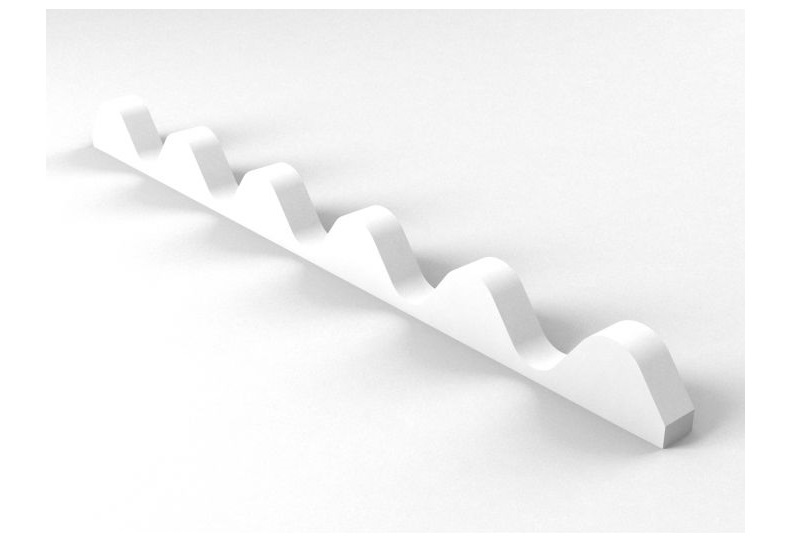
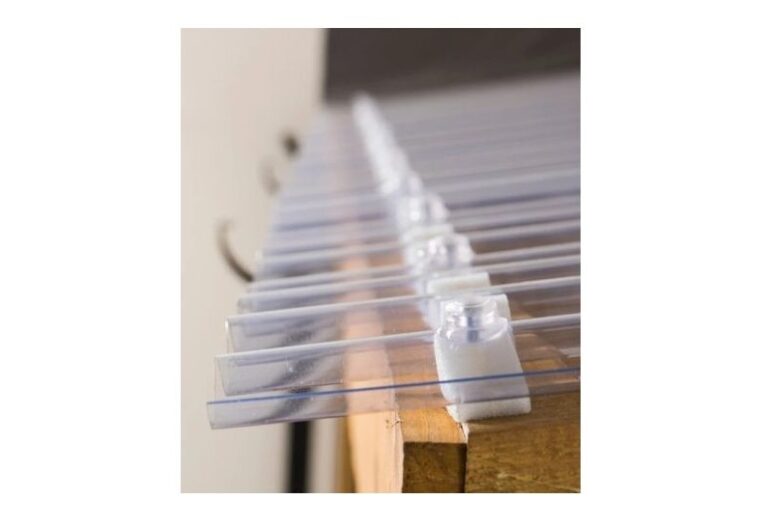
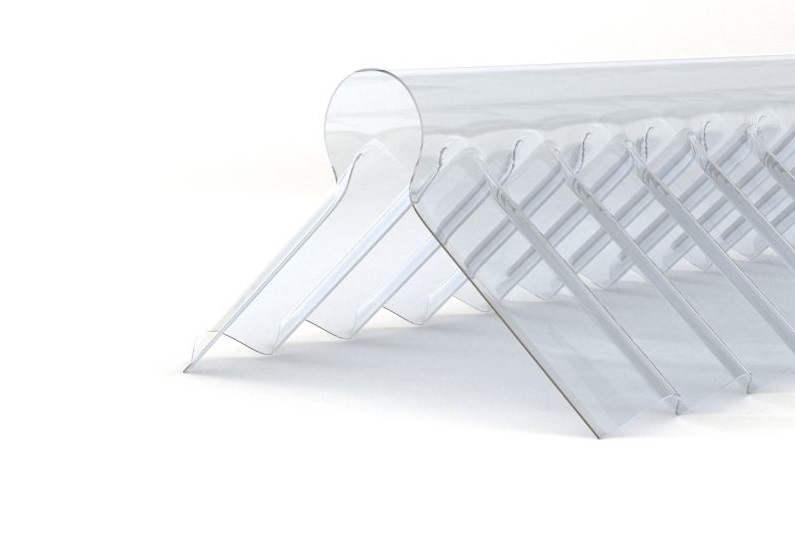
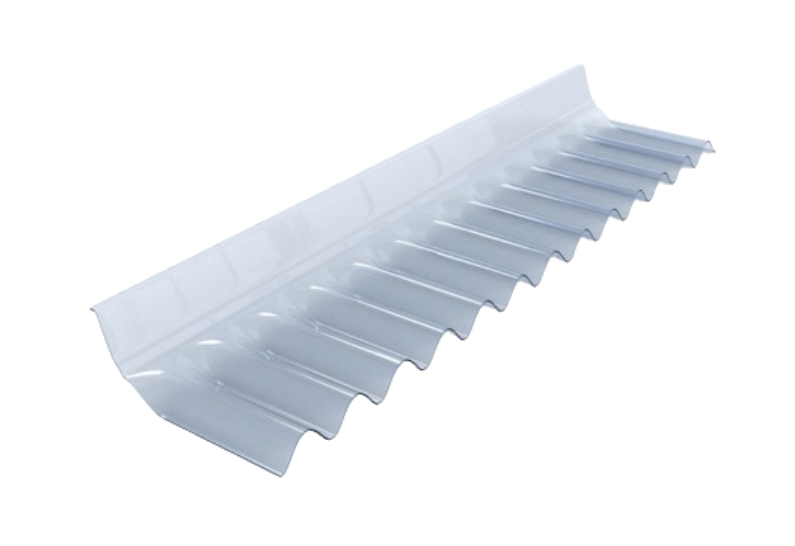
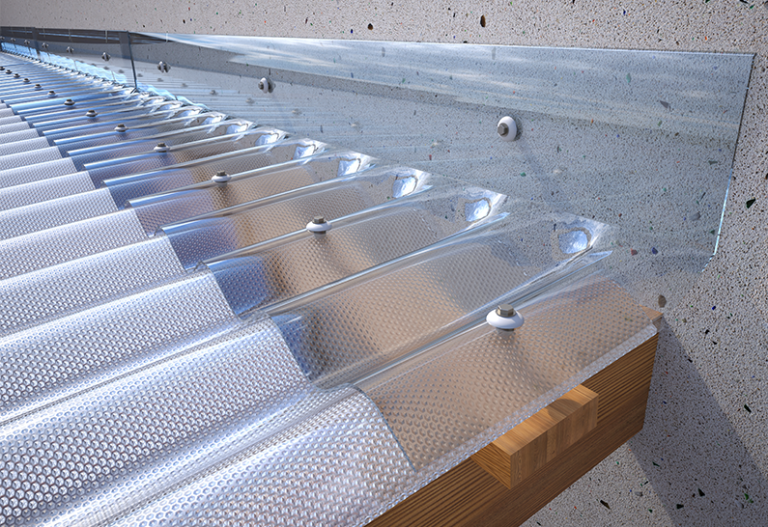
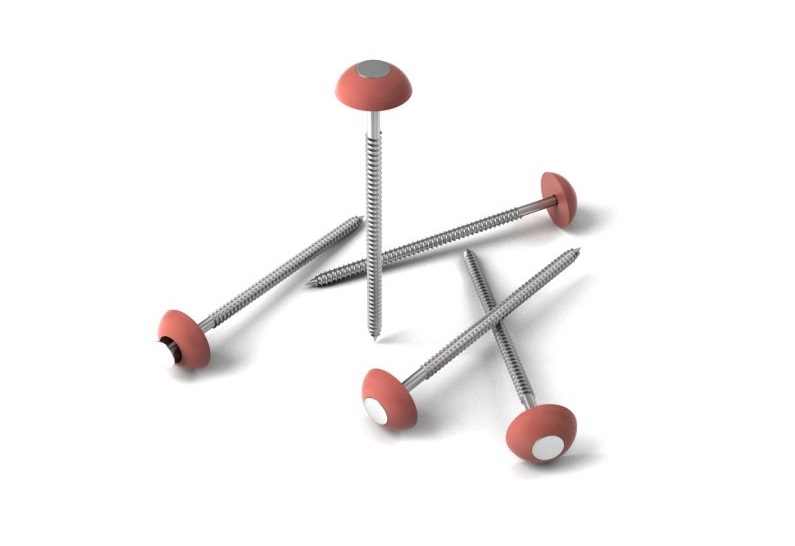
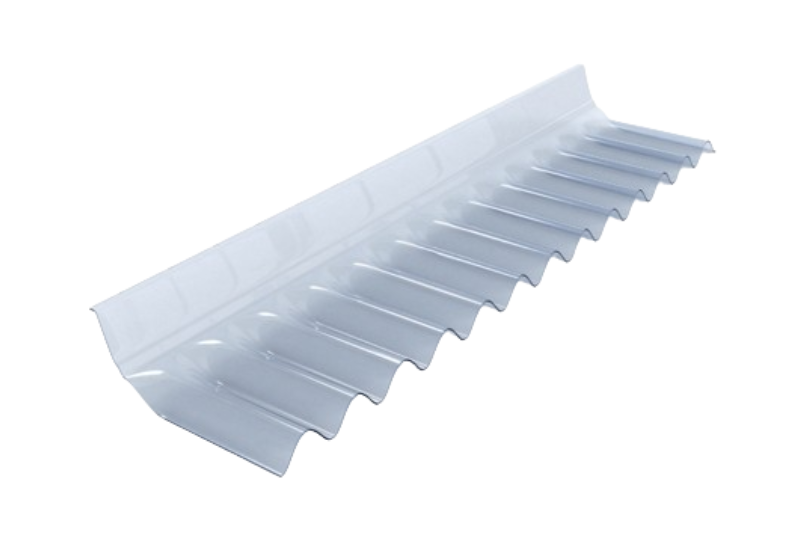
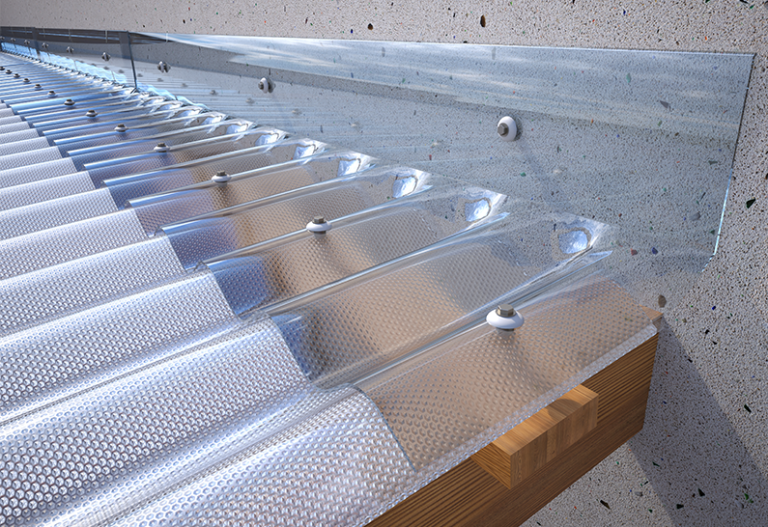
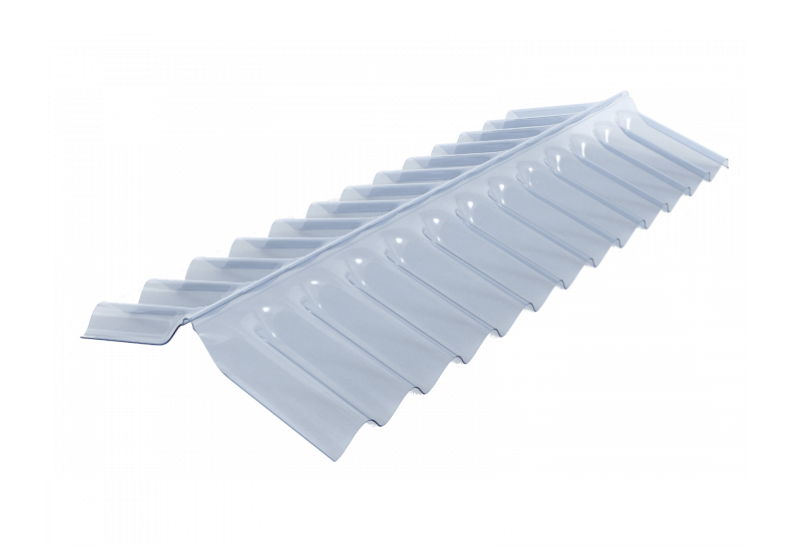
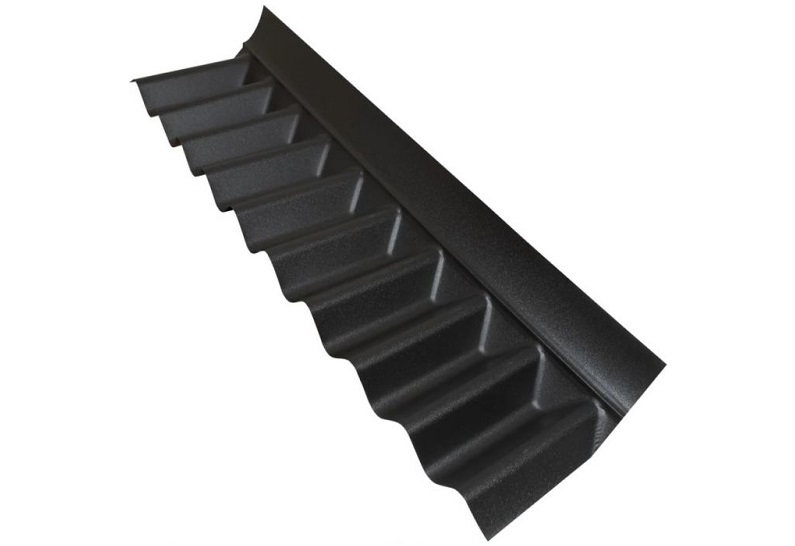
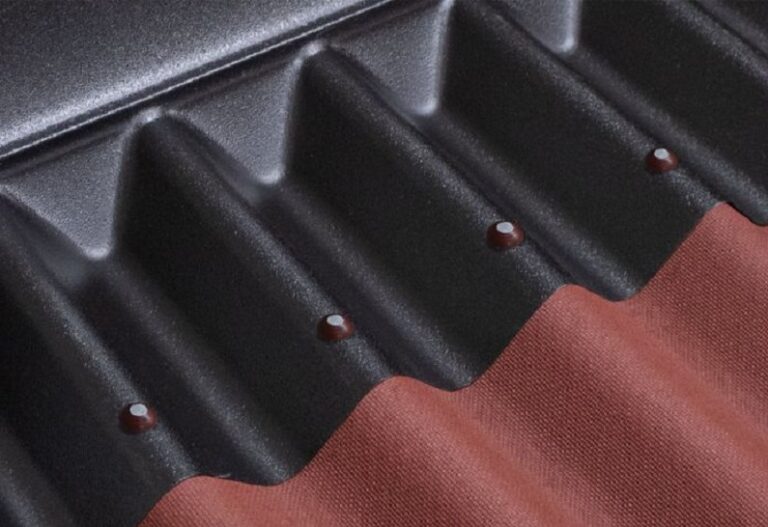
You need fixings, eaves fillers and flashings matched to your sheet. For Palruf PVC and Suntuf polycarbonate that means 3 inch or 6 inch screws with EPDM washers, foam eaves fillers to close the corrugations, a ridge cap for the apex and a wall flashing where the roof meets a wall. Bitumen roofs use fixing pins, gable angles, ridge caps and eaves fillers instead.