








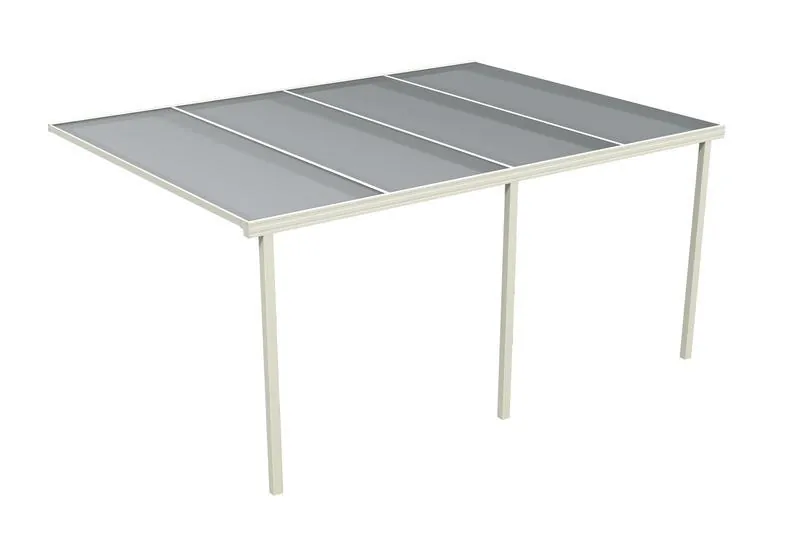
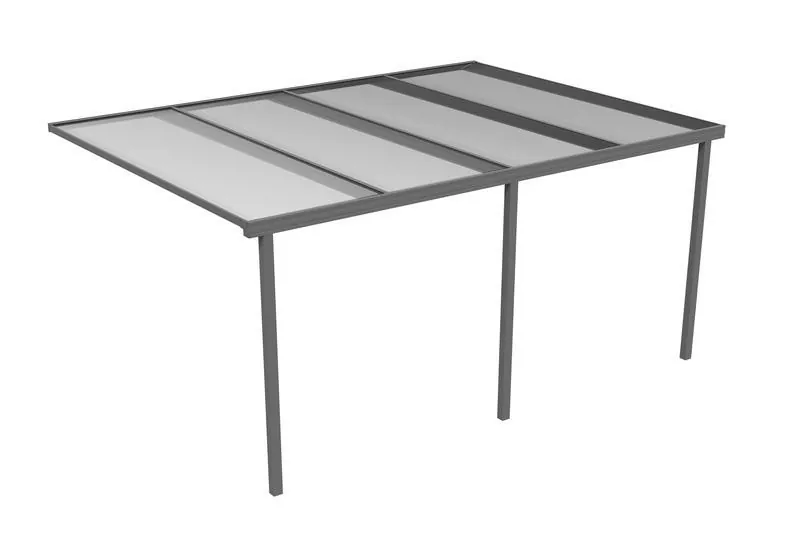
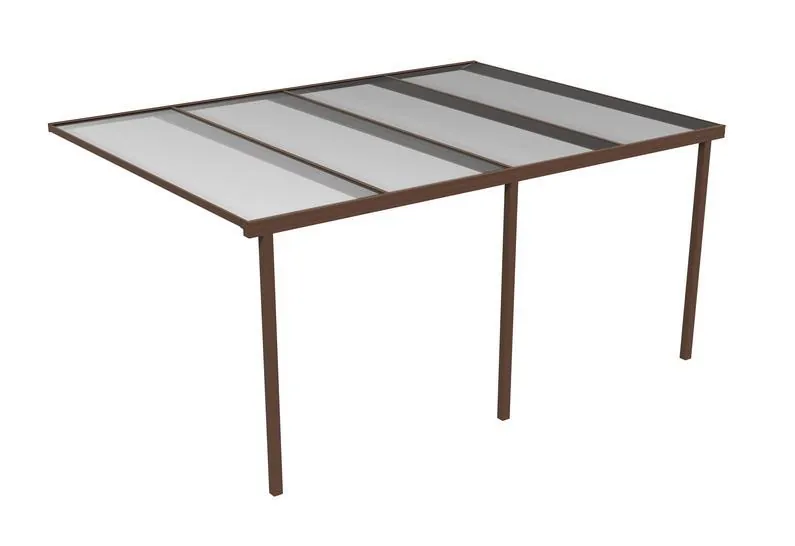




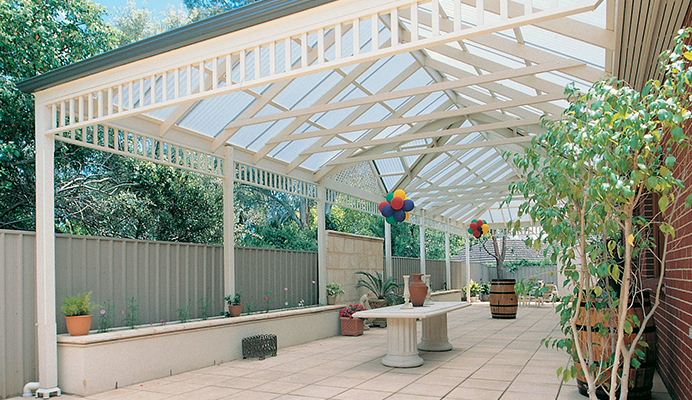
Polycarbonate sheets are one of the most versatile glazing and roofing materials available. They are lightweight, impact resistant, easy to work with and available in a wide range of thicknesses, structures and colours, making them suitable for everything from small glazing projects and greenhouse panels to carports, lean-to roofs, conservatories and larger roofing applications.
But with so many different types and thicknesses of polycarbonate sheet available, how do you know which one is right for your project?
The answer depends on several factors, including the application, required insulation, sheet span, existing glazing system, structural support and the type of roof or glazing you are constructing.
In this guide, we explain the different types of polycarbonate sheets, what the various thicknesses mean and where each type is most commonly used.
What Is Polycarbonate Sheet?
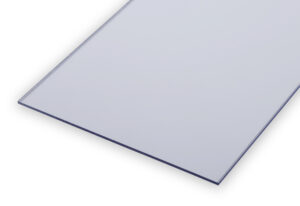
Polycarbonate is a strong, lightweight thermoplastic material that is widely used as an alternative to traditional glass and other roofing materials.
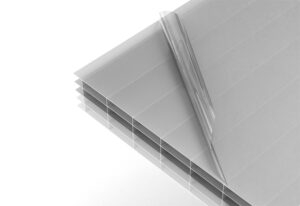
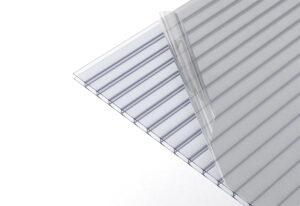
Unlike glass, polycarbonate is significantly lighter and much more impact resistant. Multiwall polycarbonate sheets also contain internal chambers, which improve their thermal insulation properties compared with solid sheet.
Polycarbonate sheets are commonly used for:
- Polycarbonate roofing
- Carports
- Lean-to roofs
- Canopies
- Conservatories
- Porches
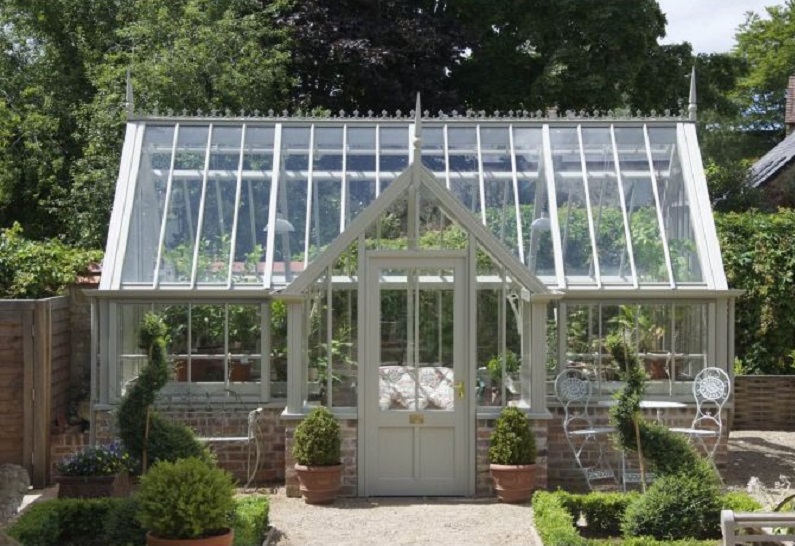
- Greenhouses
- Internal glazing
- Partitions and screens
- Replacement glazing
- Koi pond covers
- Walkways and covered areas
One of the biggest advantages of polycarbonate is the range of sheet structures and thicknesses available, allowing the material to be selected according to the requirements of the individual project.
What Are the Different Types of Polycarbonate Sheet?
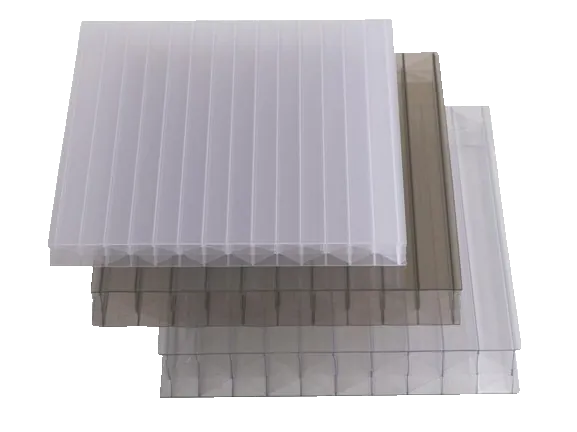
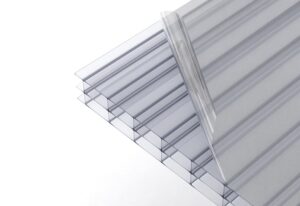
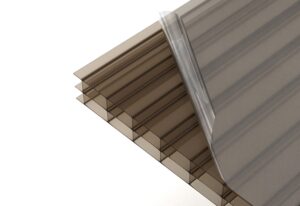
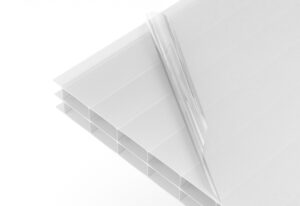
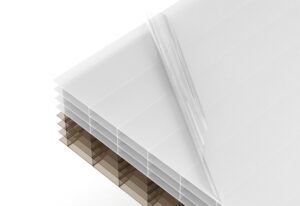
When looking at multiwall polycarbonate, the terminology can initially be confusing. Terms such as twinwall, triple wall and multiwall describe the internal structure of the sheet rather than simply the thickness.
As the sheet becomes thicker, its internal structure generally becomes more complex, providing additional chambers and improving thermal performance.
4mm Polycarbonate – Twinwall
4mm polycarbonate is a lightweight twinwall sheet containing two external faces with an internal wall creating two chambers.
It is commonly used where a lightweight glazing material is required rather than where maximum thermal insulation is the primary consideration. Typical applications include:
- Greenhouse glazing
- Replacement glazing panels
- Small DIY glazing projects
- Internal glazing
- Lightweight covers
- Cold frames and similar applications
One of the benefits of thinner polycarbonate sheets is that they are relatively easy to handle and can be cut on site using suitable tools.
However, 4mm sheet is not normally the first choice for a substantial polycarbonate roofing project where greater rigidity and thermal insulation are required.
6mm Polycarbonate – Twinwall
6mm polycarbonate is also a twinwall construction, but the increased thickness provides greater rigidity and improved insulation compared with thinner sheet. It can be suitable for:
- Greenhouse glazing
- Replacement glazing
- Small roofing applications
- Internal and external glazing
- Lightweight covers
- General DIY projects
The correct support structure is still important. Polycarbonate should not simply be treated as a drop-in replacement for every existing roof or glazing system.
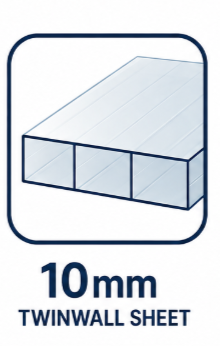
10mm Polycarbonate – Twinwall
10mm twinwall polycarbonate is one of the most versatile options for smaller roofing and glazing projects. It provides a useful combination of:
- Low weight
- Strength
- Thermal insulation
- Light transmission
- Ease of installation
- Cost effectiveness
10mm polycarbonate is frequently considered for applications such as carports, lean-to roofs, canopies and other domestic roofing projects.
When using 10mm multiwall polycarbonate for roofing, the supporting structure and glazing system need to be designed correctly. Sheet width, rafter centres, glazing bar dimensions and the manufacturer’s installation recommendations all need to be considered.
For example, manufacturers generally recommend keeping sheet widths within appropriate limits to prevent excessive movement and ensure the sheets are adequately supported.
For more information on calculating sheet widths and component requirements, see our guide to polycarbonate sheet recommendations.
16mm Polycarbonate – Triple Wall
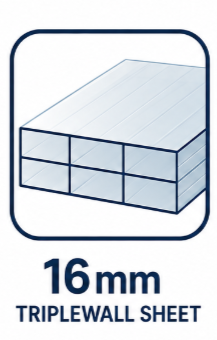
16mm polycarbonate is commonly referred to as triple wall polycarbonate.
Its internal construction provides additional chambers compared with twinwall sheet, giving it improved thermal performance and rigidity. 16mm polycarbonate is a particularly versatile thickness and can be used for:
- Carports
- Lean-to roofs
- Canopies
- Small conservatories
- Replacement roof panels
For smaller roofing projects, 16mm can provide a good balance between insulation, strength and cost.
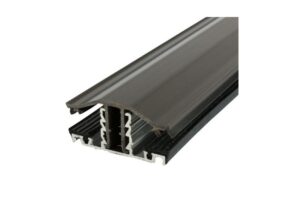
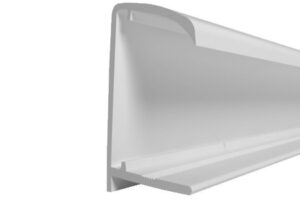
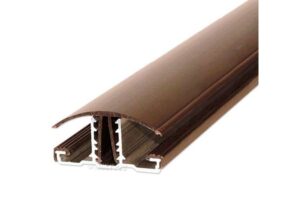
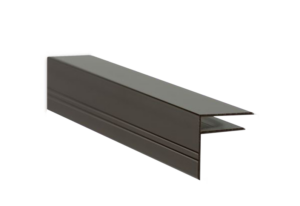
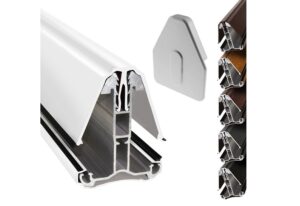
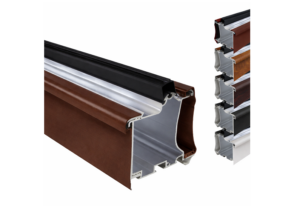
There are also glazing systems specifically designed to accommodate 16mm polycarbonate sheets, including aluminium and PVC glazing bar systems.
When replacing existing polycarbonate panels, however, you should always check the existing glazing bars before choosing a thicker sheet. A 16mm sheet cannot necessarily be installed into a system designed for a different thickness.
25mm Polycarbonate – Multiwall
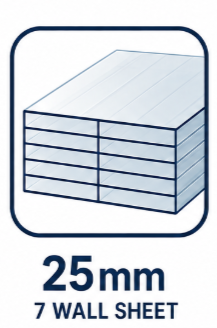
At 25mm, polycarbonate sheets typically have a more complex multiwall construction. The internal structure can incorporate multiple walls and chambers, providing considerably greater thermal insulation than thinner twinwall products.
25mm polycarbonate is generally more suited to applications where thermal performance is an important consideration. Typical applications can include:
- Conservatory roofs
- Larger roofing projects
- Areas where increased thermal insulation is required
The additional thickness does come with considerations. A thicker sheet may require a compatible glazing system and may not be suitable for simply replacing a thinner existing panel.
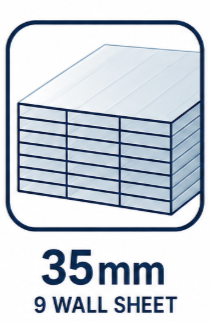
32mm and 35mm Polycarbonate – Multiwall
32mm and 35mm polycarbonate sheets are among the thicker multiwall options commonly used for roofing and glazing. Their increased thickness and complex internal construction provide excellent thermal insulation compared with thinner sheets.
They are particularly suited to applications where controlling heat loss and improving the overall thermal performance of a roof or glazed structure are important. Common applications include:
- Conservatory roofs
- Large roofing projects
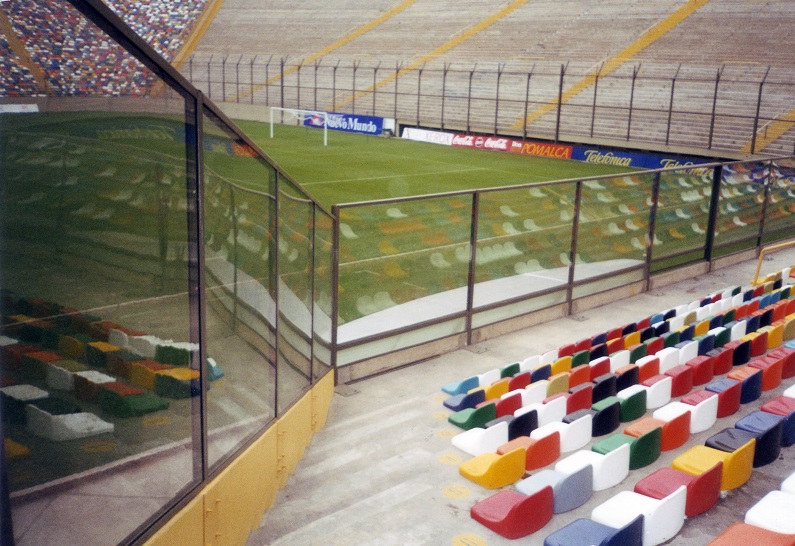
- Commercial glazing
- High-performance roofing
- Areas requiring enhanced thermal insulation
The exact internal structure varies between manufacturers and products, so it is important to check the manufacturer’s technical information rather than assuming that every 32mm or 35mm sheet has exactly the same construction.
What Is the Best Polycarbonate for Roofing?
For many domestic roofing projects, 10mm or 16mm multiwall polycarbonate can be a suitable choice. However, the “best” polycarbonate roofing sheet depends on the project. For example, a small lean-to roof may have completely different requirements from a large conservatory roof.
When choosing polycarbonate roofing, consider:
1. Thermal insulation
If the space underneath the roof needs to remain comfortable throughout the year, a thicker multiwall sheet is preferable because its multiple internal chambers help reduce heat transfer.
2. Structural requirements
The sheet needs to be adequately supported. The required rafter spacing, sheet width and glazing system will depend on the product and installation method.
3. Existing glazing bars
If you are replacing existing polycarbonate sheets, check what thickness the current glazing system is designed to accommodate.
4. Roof pitch
Polycarbonate roofing requires an appropriate fall to allow rainwater to run away from the roof. Always follow the manufacturer’s minimum recommended pitch; 10 degrees.
5. Sheet size
Large sheets can be easier to install because they reduce the number of joints, but they can also be more difficult to handle.
6. Budget
Thicker and more complex multiwall sheets generally cost more. There is little benefit in automatically selecting the thickest sheet available if the application does not require it.
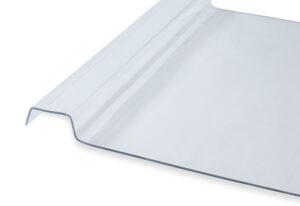
Can I Replace Old PVC Corrugated Roofing with Polycarbonate?
In many situations, polycarbonate can be an excellent replacement for old corrugated PVC roofing. Polycarbonate provides a more substantial glazing solution and allows natural daylight into the covered area.
For domestic carports, lean-to roofs and similar applications, 10mm and 16mm multiwall polycarbonate are commonly considered. However, you cannot simply assume that the existing roof structure is suitable.
Before ordering, check:
- Rafter centres
- Rafter width
- Roof pitch
- Overall roof dimensions
- Existing glazing bars
- Required sheet thickness
- Sheet orientation
- Fixing and glazing system
- Drainage requirements
The glazing bars and other accessories must also be compatible with the thickness of the polycarbonate being installed.
Can I Use Polycarbonate on a Conservatory Roof?
Yes. Polycarbonate has been widely used for conservatory roofing for decades.
Older conservatories commonly used thinner polycarbonate sheets, including 16mm products. Modern replacement roofs use thicker multiwall sheets such as 25mm, 32mm or 35mm where improved thermal performance is required.
However, replacing conservatory roof panels is not always as straightforward as choosing a thicker sheet. The existing glazing bars need to accommodate the new sheet thickness. If they do not, replacing the sheets with a substantially thicker product may require alterations to the existing roof system or, in some circumstances, a complete replacement of the glazing system.
If your conservatory has unusually shaped panels, complicated dimensions or an older proprietary glazing system, professional assessment may be advisable before ordering.
Does Thicker Polycarbonate Mean Better Insulation?
In theory, yes, increasing the thickness and number of internal chambers improves the thermal performance of multiwall polycarbonate. However, thicker does not automatically mean “better” for every application.
For example, using 35mm polycarbonate on a small unheated canopy may provide little practical advantage over a suitably specified thinner sheet, while significantly increasing the cost and potentially creating compatibility problems with the glazing system.
The right approach is to select a sheet that provides the appropriate balance between: thermal performance + structural requirements + compatibility + cost.
Does Polycarbonate Block UV Rays?
Many polycarbonate sheets are manufactured with a UV protective layer designed to protect the sheet from the damaging effects of ultraviolet radiation. UV protected polycarbonate roofing can provide excellent long term performance when correctly installed.
Always check the manufacturer’s specification for the particular sheet you are purchasing, including which side of the sheet should face outward. This is particularly important because installing a sheet the wrong way around can affect its performance and warranty.
Is Polycarbonate Better Than Glass?
Polycarbonate and glass have different characteristics, so neither is automatically better for every application. Polycarbonate offers several advantages:
- Significantly lighter than glass
- High impact resistance
- Easier handling
- Available in multiwall structures
- Good thermal insulation
- Suitable for large sheets
- Easy to cut and work with using appropriate methods
Glass can provide excellent optical clarity and a traditional appearance, but it is heavier and more vulnerable to impact than polycarbonate.
For roofing, canopies, conservatories and many domestic glazing applications, polycarbonate offers an excellent combination of performance, practicality and cost.
How Do I Calculate My Polycarbonate Sheet Widths?
You need to consider the position of the glazing bars, the internal dimensions of the glazing system and any deductions required for expansion and contraction.
Our Polycarbonate Sheet Recommendations guide provides an example of how sheet dimensions and glazing components can be calculated.
Because polycarbonate expands and contracts with temperature changes, it is also essential that the manufacturer’s recommended installation clearances are maintained.
Why Does Polycarbonate Need Expansion Allowance?
Polycarbonate expands and contracts as temperatures change. This is a critical consideration when installing polycarbonate roofing.
If sheets are installed too tightly, thermal movement can place unnecessary stress on the material and glazing system. Correct allowances need to be incorporated into the installation so the sheets can move as temperatures change.
The exact allowance depends on the product and installation system, so always follow the relevant manufacturer’s installation instructions.
Final Thoughts: Choosing the Right Polycarbonate Sheet
Polycarbonate is available in a wide range of structures and thicknesses, and choosing the right product is about more than simply selecting the thickest or cheapest sheet.
4mm and 6mm twinwall are useful for lightweight glazing and greenhouse projects.
10mm twinwall is a popular choice for many domestic, small roofing applications.
16mm triple wall offers increased insulation and versatility for roofing and glazing.
25mm, 32mm and 35mm multiwall products are generally more appropriate where higher thermal performance is required, particularly on conservatory roofs and larger roofing applications.
Most importantly, the sheet must be compatible with the supporting structure and glazing system. Correct sheet sizing, rafter spacing, roof pitch, expansion allowances and installation procedures are all essential to achieving a successful and long-lasting polycarbonate roof.
If you are unsure which polycarbonate sheet is suitable for your project, our team can help you work through the requirements.
Call The Polycarbonate Store on 0114 357 0327 or email [email protected]
We can help you identify the appropriate sheet thickness, glazing system and accessories for your project before you place your order.






Leave a Reply