








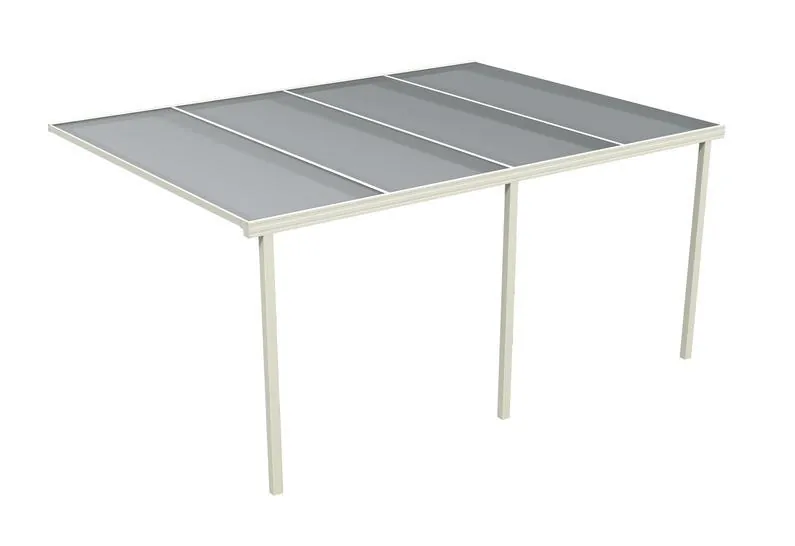
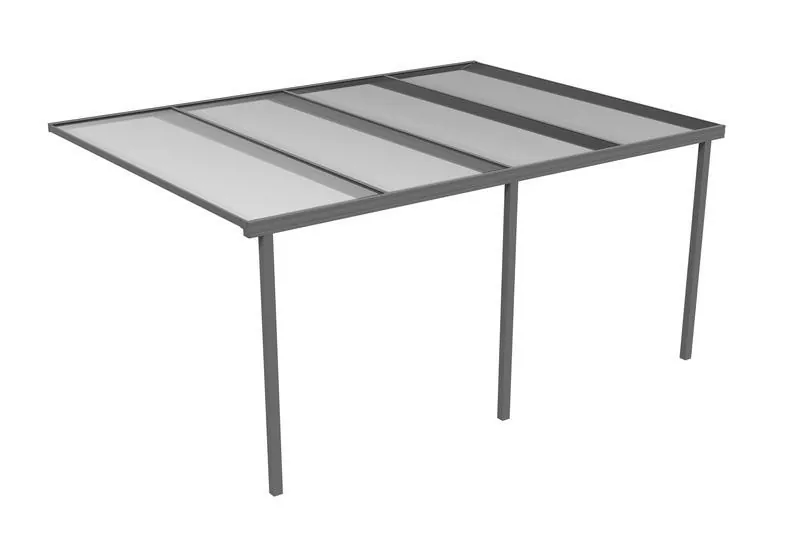
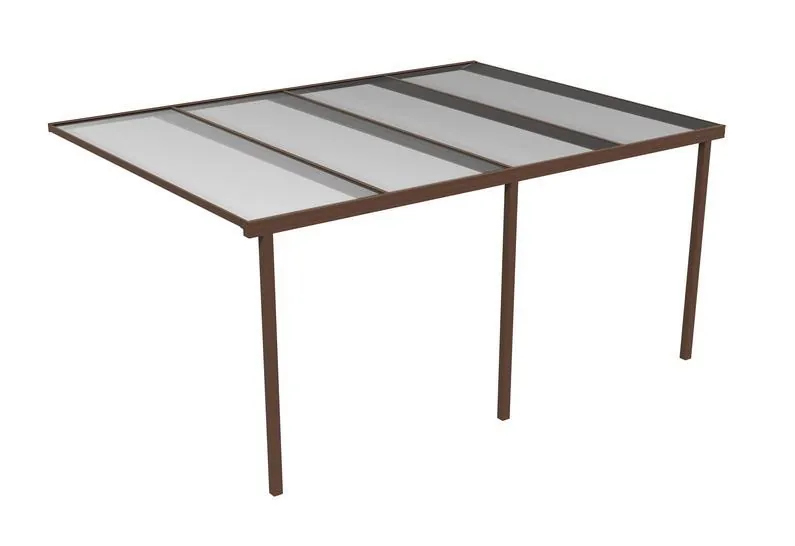





A pergola can give an ordinary patch of patio a purpose. Somewhere to eat outside, read in the afternoon or sit with a coffee after work—without having to redesign the whole garden.
The most successful pergolas start with how you want to use them. At The Polycarbonate Store, we help customers choose roofing that suits their space, whether they are covering an existing timber pergola or planning a sheltered seating area beside the house.
Start with the furniture, then plan the pergola
Before choosing dimensions, position your table, chairs or outdoor sofa where you would like them to go. Allow room to pull chairs out, walk around the furniture and reach nearby doors or paths.
This helps avoid a common disappointment: a pergola that fits the patio but feels cramped once furnished.
For a dining area, think about the route from the kitchen. For a quiet reading corner, consider privacy and the view into the garden. A smaller, well-positioned pergola can be more useful than a larger structure in a spot you rarely visit.
Watch the sun before choosing the roof
Spend time in the proposed location at the hours you expect to use it. Morning coffee and evening dining can call for very different positions.
Notice neighbouring buildings, trees and low afternoon sunshine. A roof can provide overhead shelter, but sunlight and wind-driven rain can still enter through open sides.
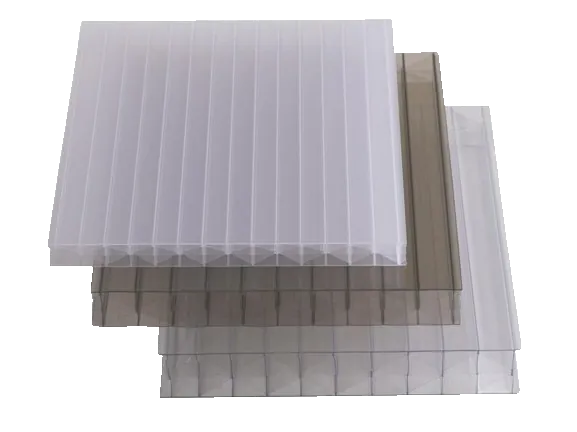
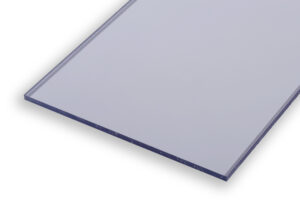
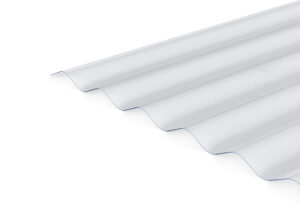
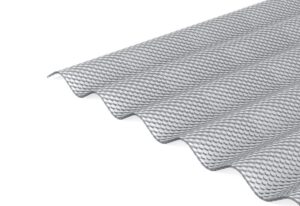
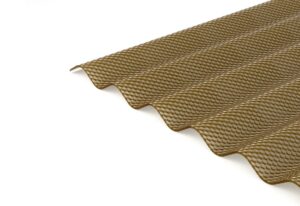
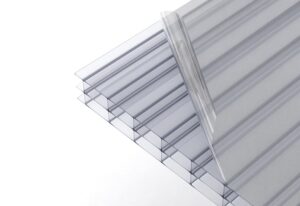
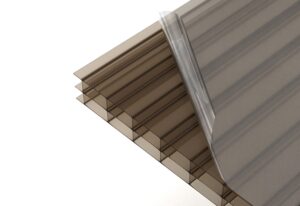
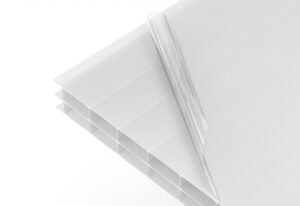
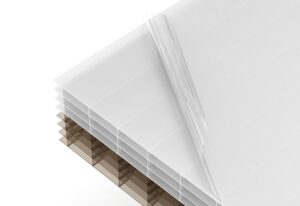
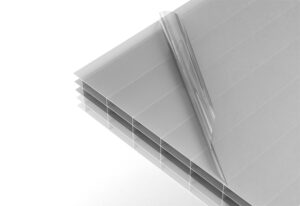
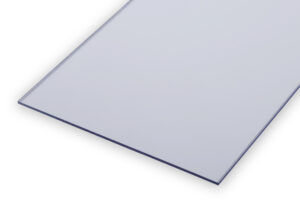
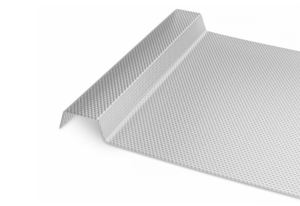
Clear polycarbonate roofing helps retain daylight, particularly where a pergola sits outside living-room or kitchen windows. Opal glazing offers a more diffused appearance. For a strongly sun-exposed position, explore heat-control polycarbonate roofing and check the selected product’s solar-performance information.
The aim is to make the area comfortable while preserving the light you want inside the house.
Decide between an open pergola and a covered pergola
A traditional pergola has an open framework, often supporting climbing plants. It defines a space and can provide partial shade, but it does not form a rainproof roof.
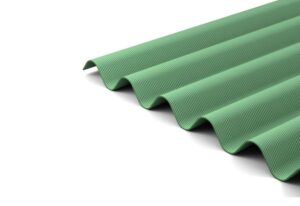
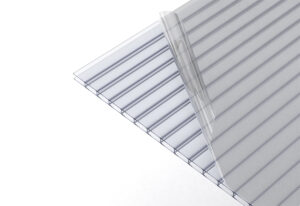
Adding polycarbonate roofing creates more dependable overhead shelter. It can make outdoor lunches less vulnerable to a passing shower and reduce the need to move everything inside when the weather changes.
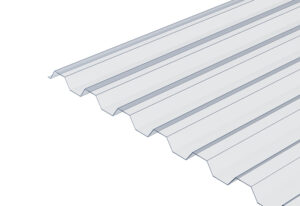
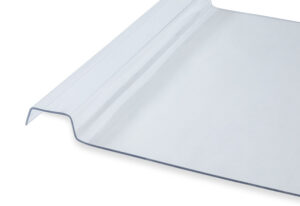
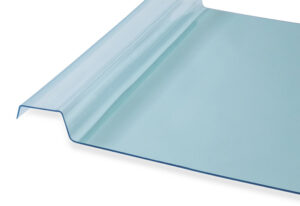
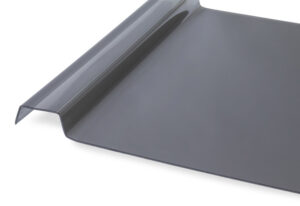
For a clear, contemporary finish, glass-like profiled polycarbonate roofing is another option. Choose the roofing before finalising the framework, as each system has its own support requirements.
If you need a complete structure beside the house, our Evolution canopy guide explains the made-to-measure lean-to system we supply. We do not currently offer a freestanding canopy kit.
Bring the pergola into the garden
Repeat colours or materials already used around your home to help the pergola feel connected to its surroundings. Planters beside the posts can soften the structure, while a nearby border can make a seating area feel more private.
Climbing plants add seasonal interest, but choose them for their eventual size. Vigorous climbers can become heavy and need substantial support. On a roofed pergola, keep growth supported separately from the roofing sheets and leave access for cleaning and gutter maintenance.
Finishing touches should suit the way you use the space. Outdoor lighting can make evening meals more inviting, while somewhere dry to store cushions is often more useful than extra decoration.
For help choosing suitable roofing, contact The Polycarbonate Store with your dimensions and photographs of the structure.
Garden pergola FAQs
Can I add a roof to my existing pergola?
Possibly, but have the framework and foundations assessed first. A structure designed for open slats or plants may need alterations to support roofing and resist the additional wind loads. Check support spacing and drainage before buying sheets.
Will a clear polycarbonate roof provide shade?
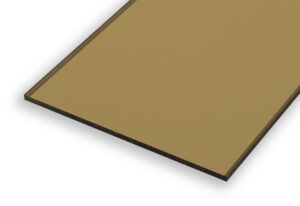
It provides overhead cover while admitting plenty of daylight, so it may offer less shade than you expect. If shade or reduced solar heat is the priority, compare suitable tinted, diffusing or heat-control products.
Can I grow climbing plants around a covered pergola?
Yes, with suitable support and regular maintenance. Keep stems away from panel joints and drainage routes. Choose plants for the available space and light conditions rather than relying on pruning to contain an unsuitable vigorous climber.
Can I add curtains, blinds or side screens later?
Plan these with the structure supplier first. Screens can change how wind acts on the pergola, and their weight and fixing points must be suitable. Do not attach them directly to polycarbonate roofing sheets.
Will a covered pergola protect outdoor cushions all year?
Not completely. Open sides allow damp air and wind-driven rain to reach furniture. Use furnishings intended for outdoor conditions and store cushions dry when they are not in use.




Leave a Reply