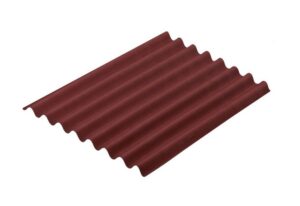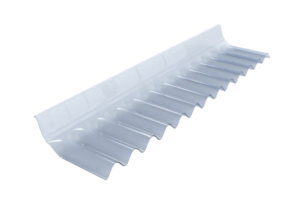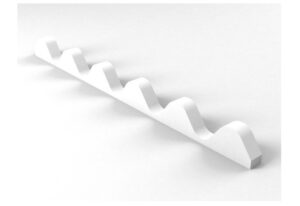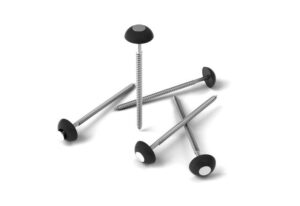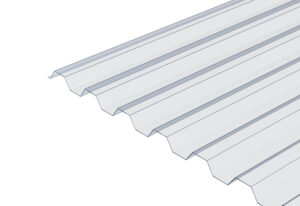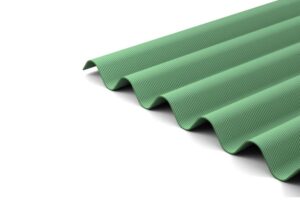









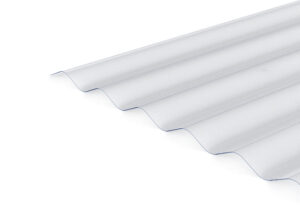
PVC Corrugated Roofing Sheets
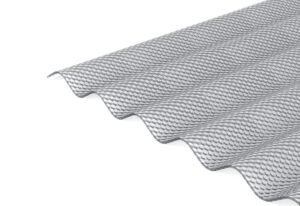
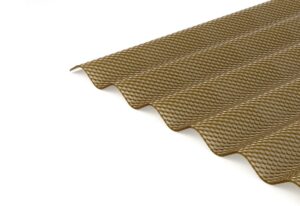
Polycarbonate Corrugated Roofing Sheets
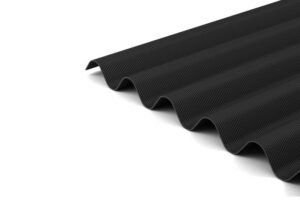
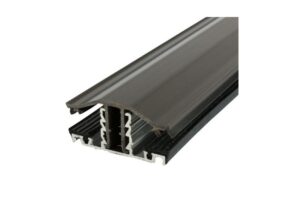
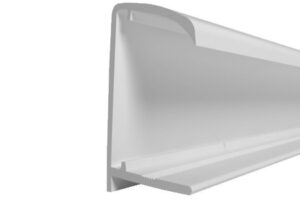
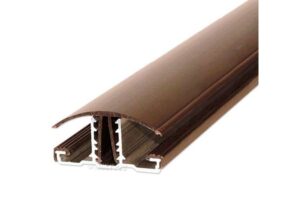
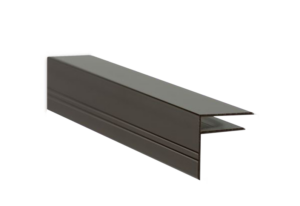
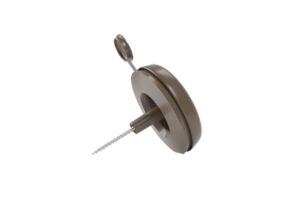
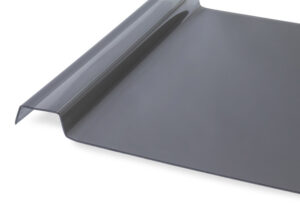
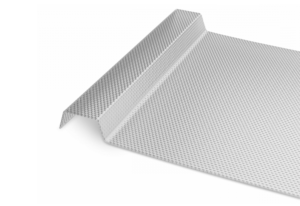
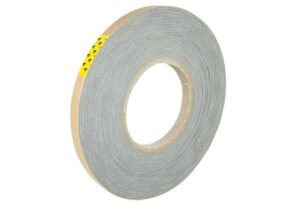
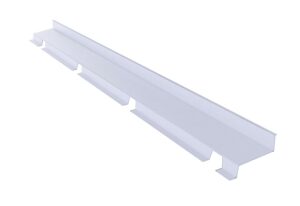
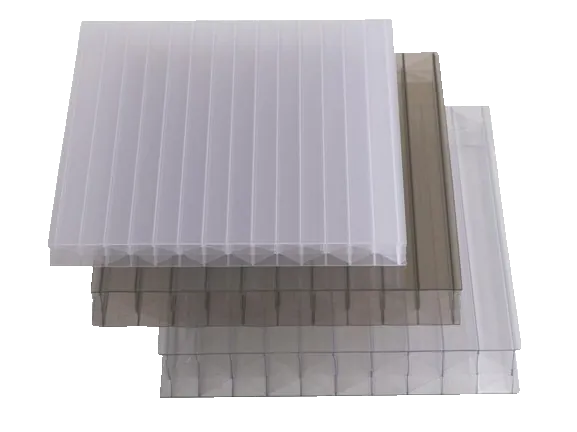
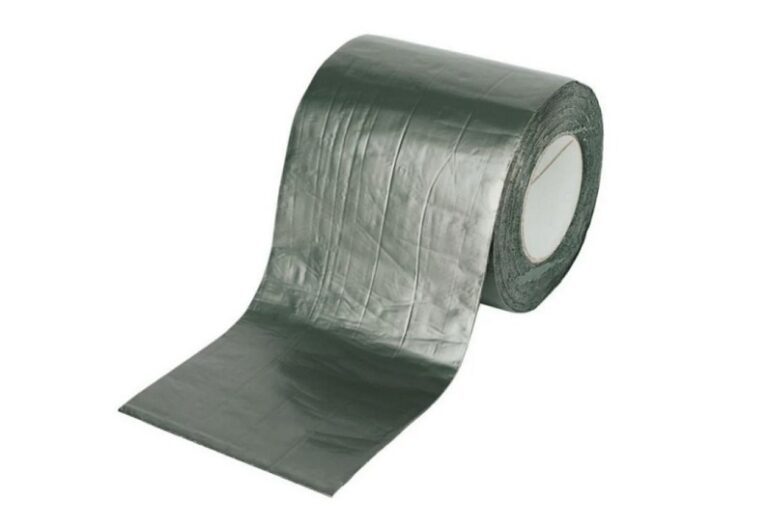
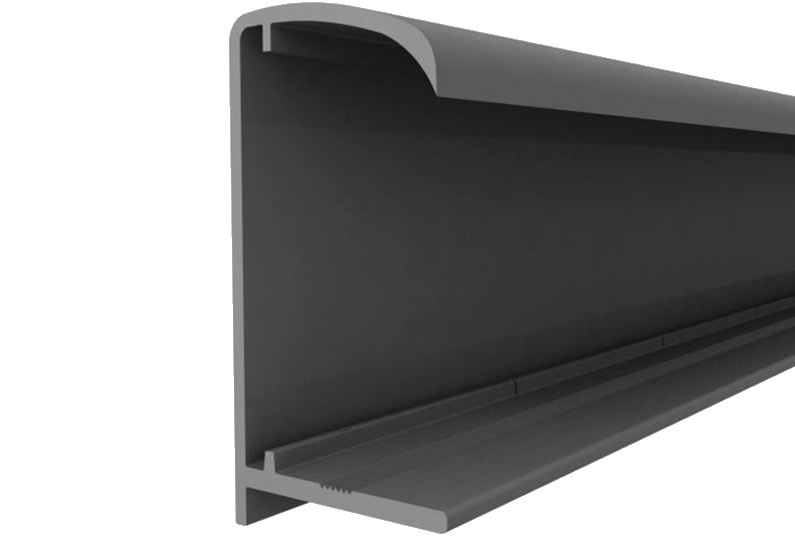
Discover our complete range of glazing bars and accessories for multiwall polycarbonate roofing systems. Designed to provide secure sheet fixing, weatherproof sealing, and professional installation, our range includes snapdown glazing bars, self-supporting glazing bars, end caps, fixing buttons, F-sections, breather tape, aluminium sealing tape, flashings, and sheet closure profiles.
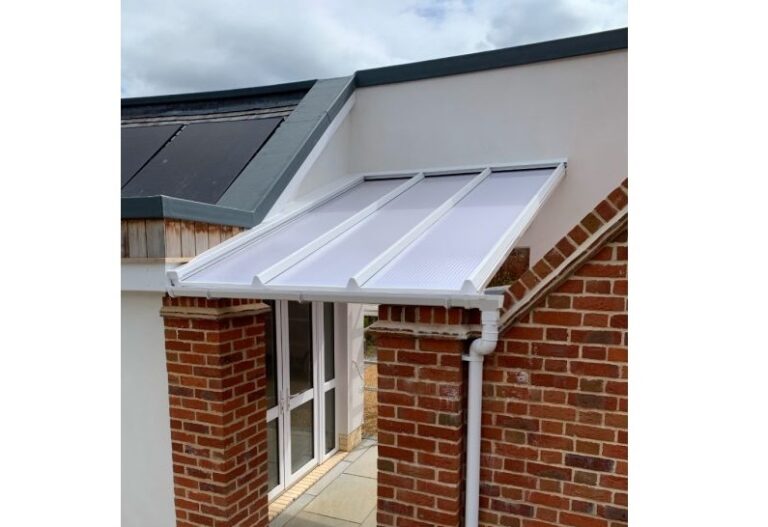
Suitable for canopies, pergolas, carports, lean-tos, conservatories, and commercial roofing projects, our accessories are compatible with a wide range of polycarbonate sheet thicknesses and help ensure a durable, long-lasting roof installation.
Showing 49–64 of 75 results
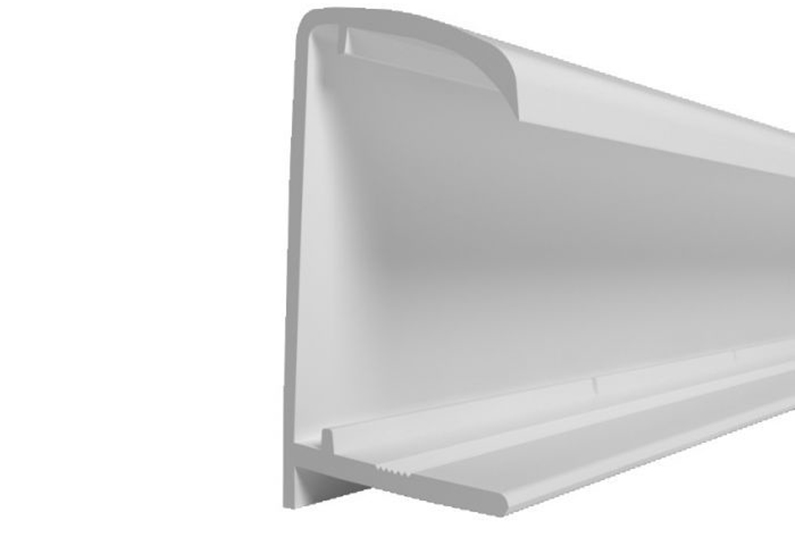
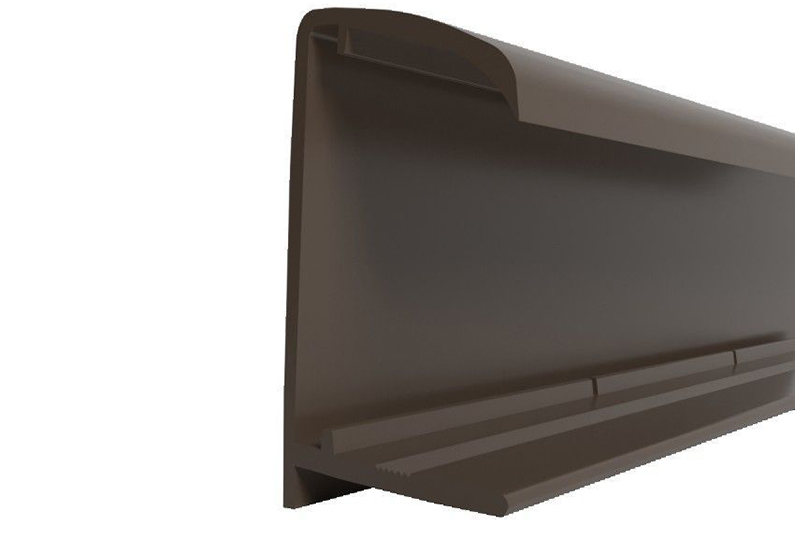
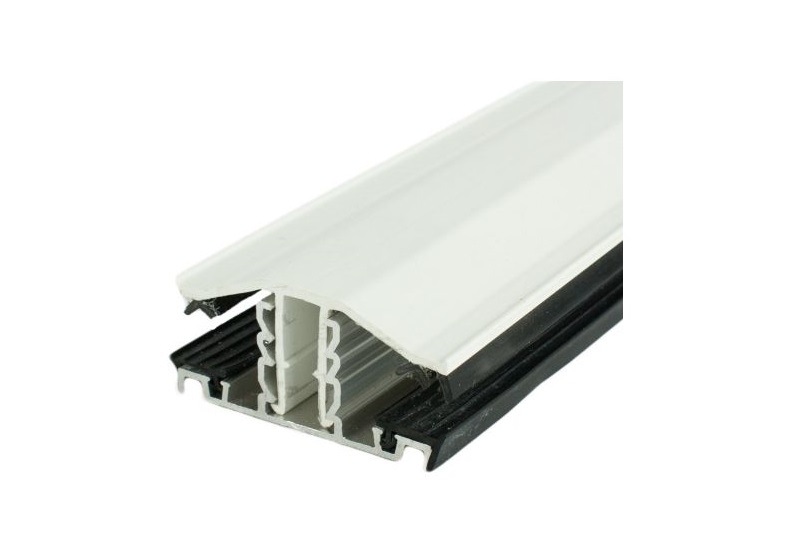
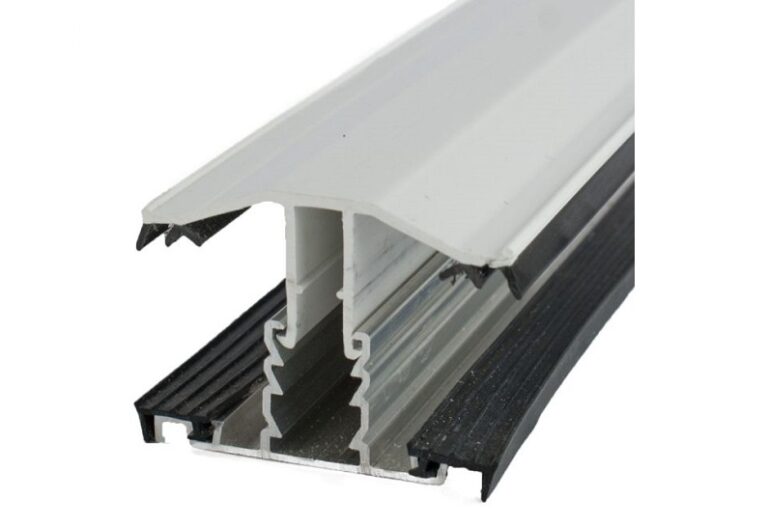
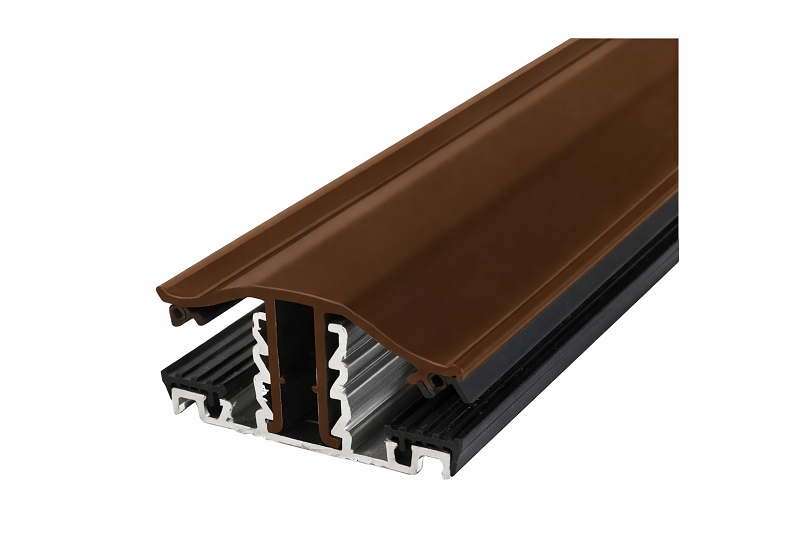
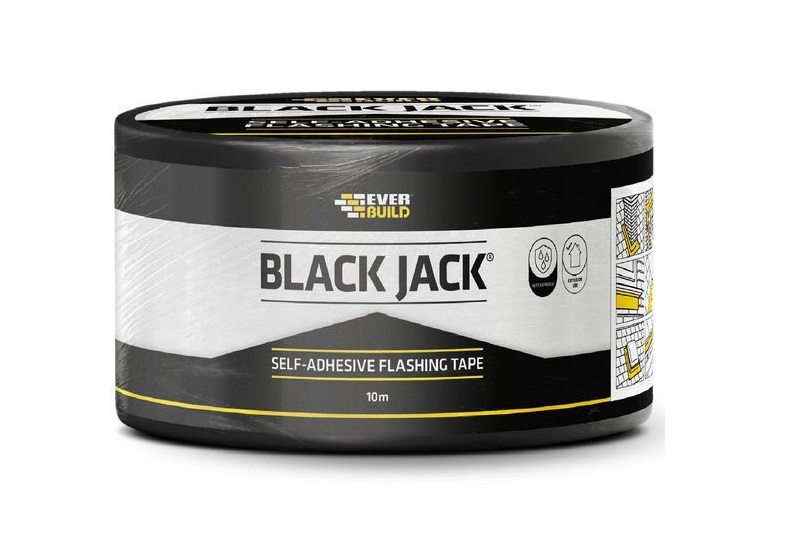
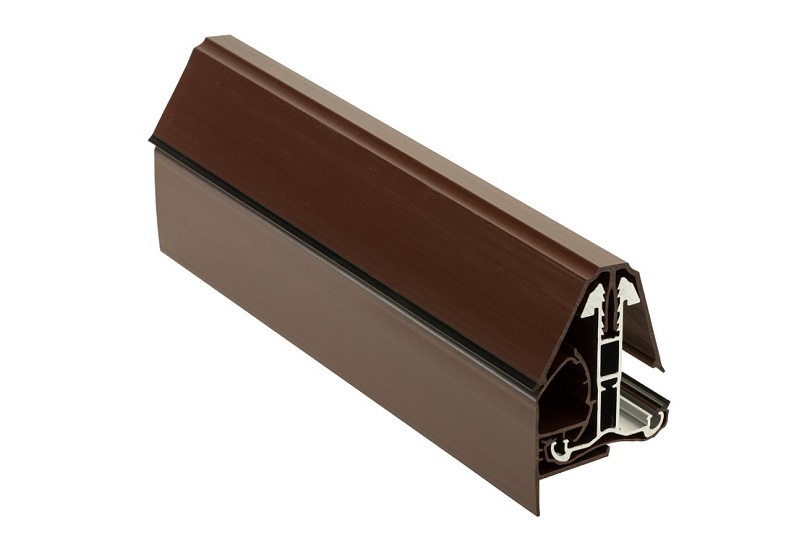
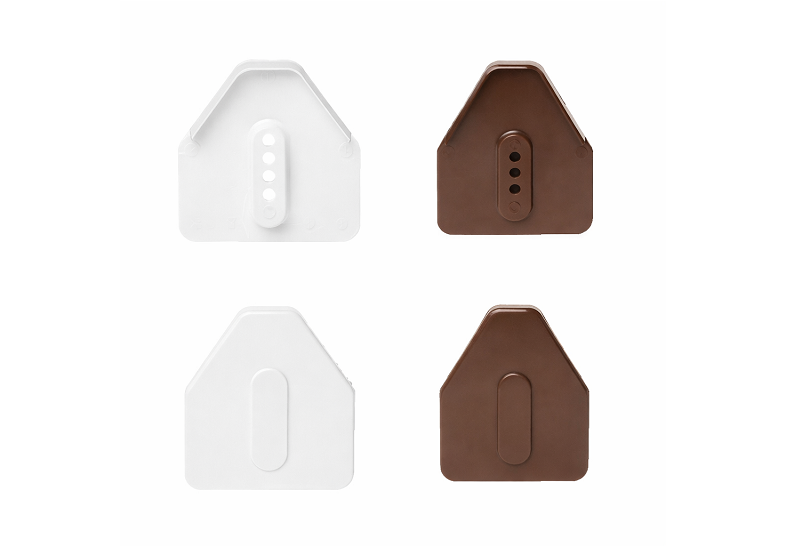
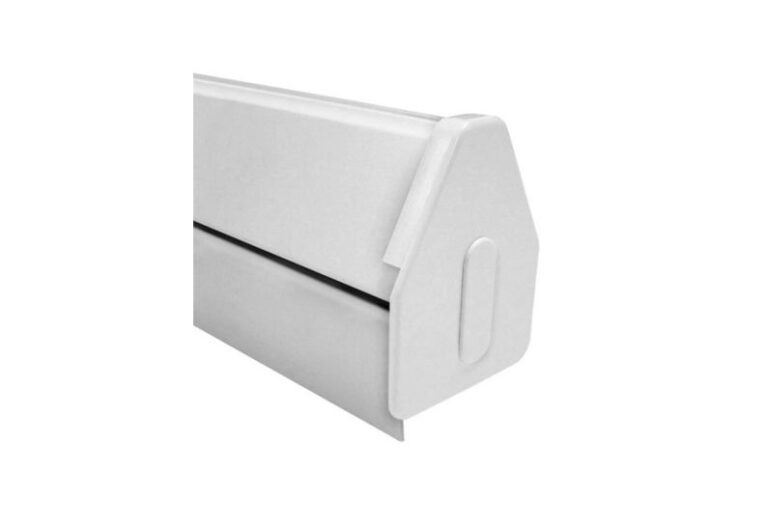
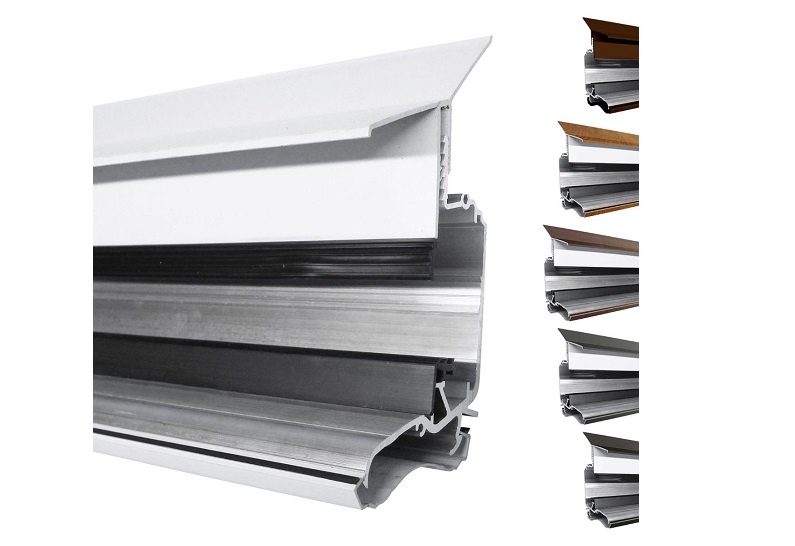
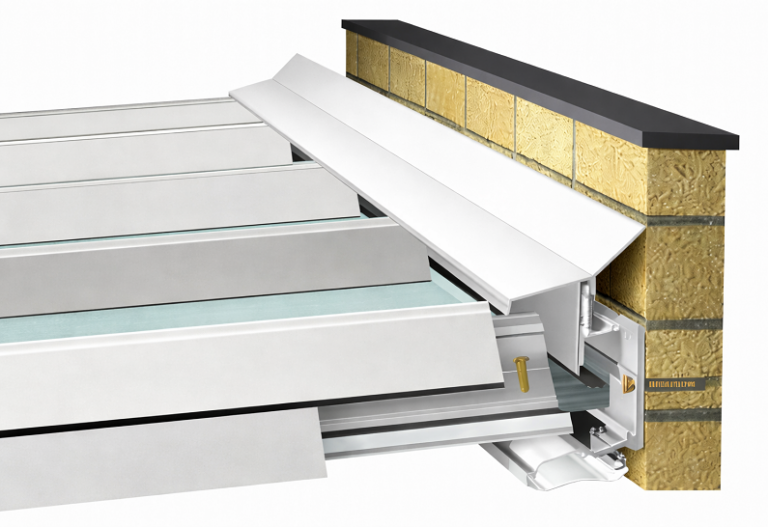
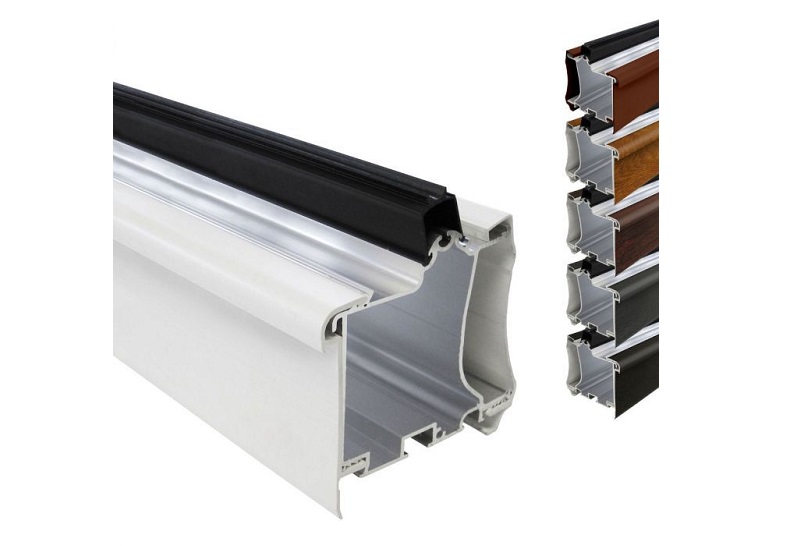
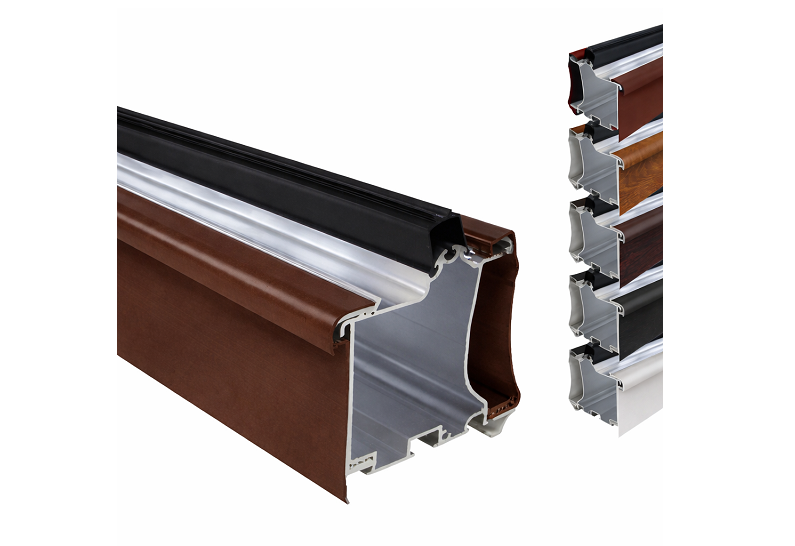
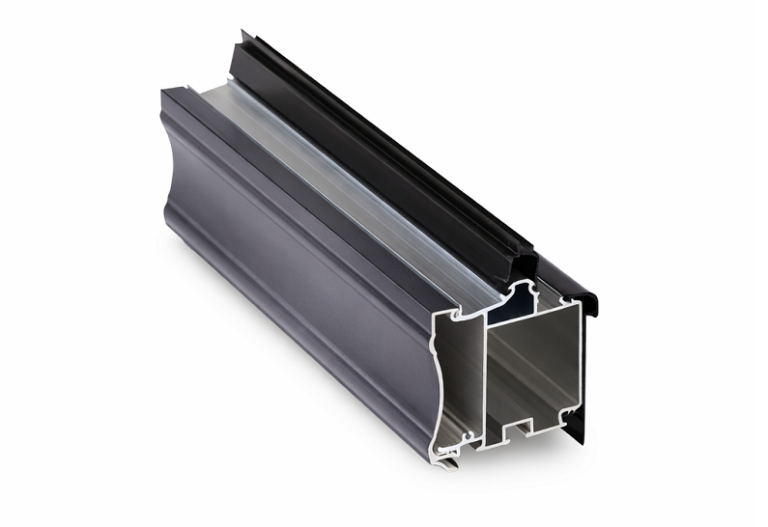
A standard snapdown glazing bar needs a timber rafter at least 50mm wide. The aluminium base screws down onto the rafter, and the sheets either side rest on its gaskets, so a narrower rafter leaves nothing to fix into. Our Exitex and Sunwood rafter bars are made for 50mm rafters. If your rafters are thinner, ask the technical team before ordering.
Yes. Rafter-supported snapdown bars work best above 5 degrees, and our self-supporting bars need 5 degrees as a minimum, with 10 degrees recommended. Below that, water drains slowly and can sit against the seals. Run-off is better on a steeper roof. Plan for 10 degrees or more where the structure allows it.
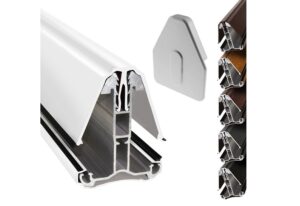
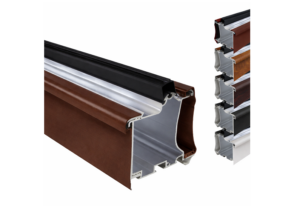
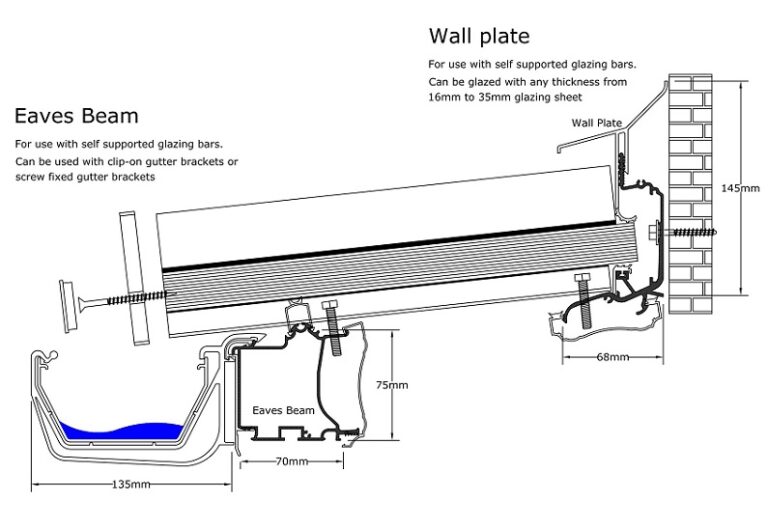
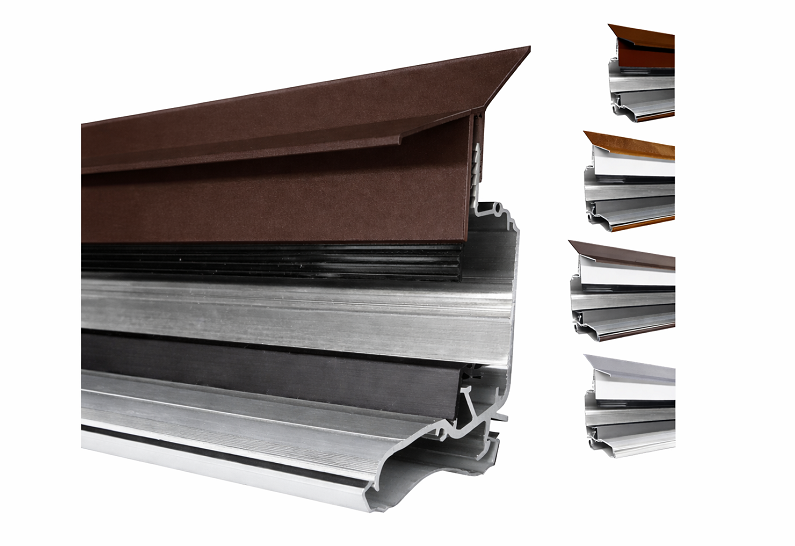
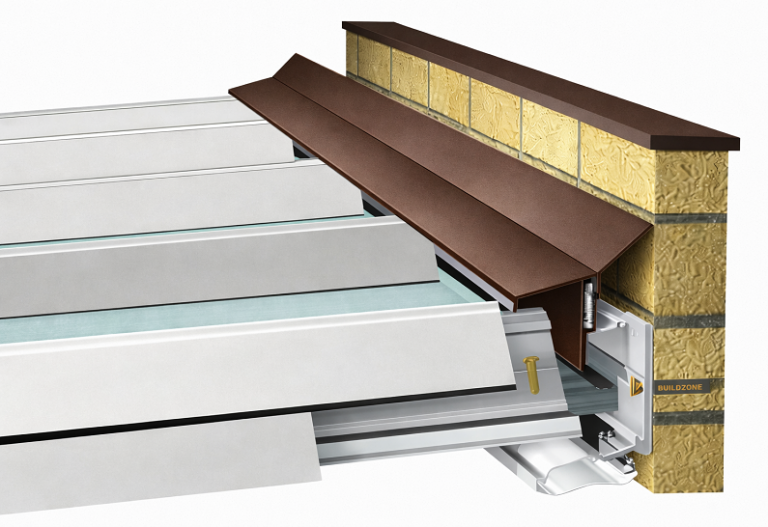
A rafter-supported bar screws onto a timber rafter and carries no load itself; the rafter does the work. A self-supporting bar is a stiffer section that spans between a wall plate and an eaves beam with no rafter beneath, up to 4m on our heavy duty range. Rafter bars suit an existing timber roof; self-supporting bars suit a new lean-to or carport frame.
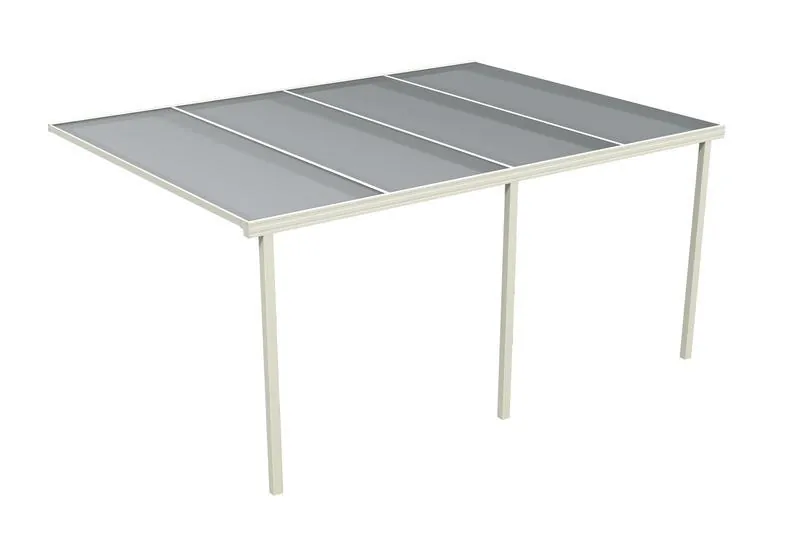
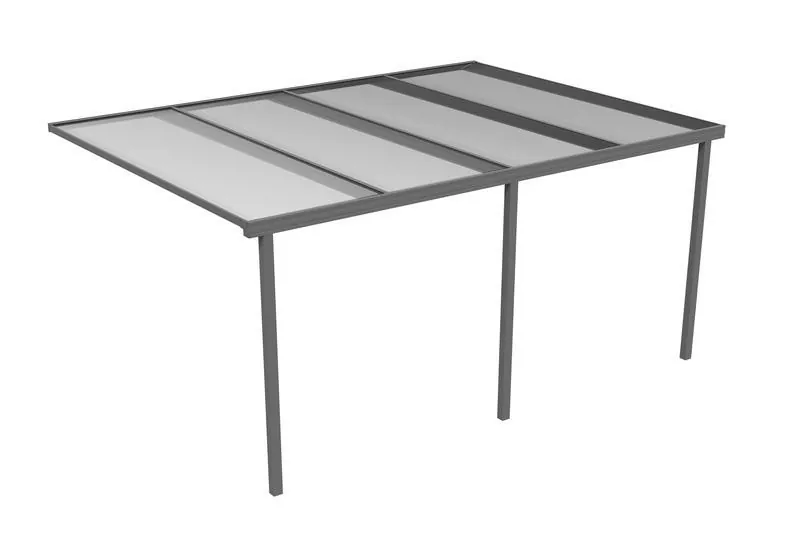
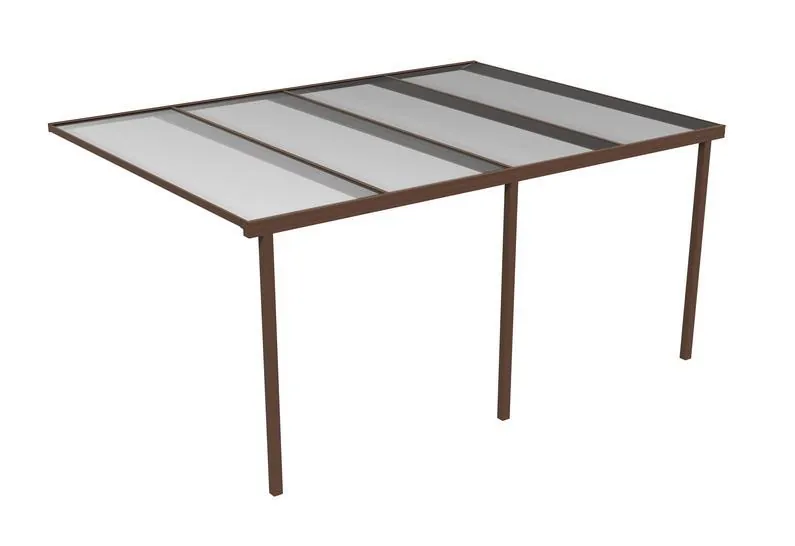
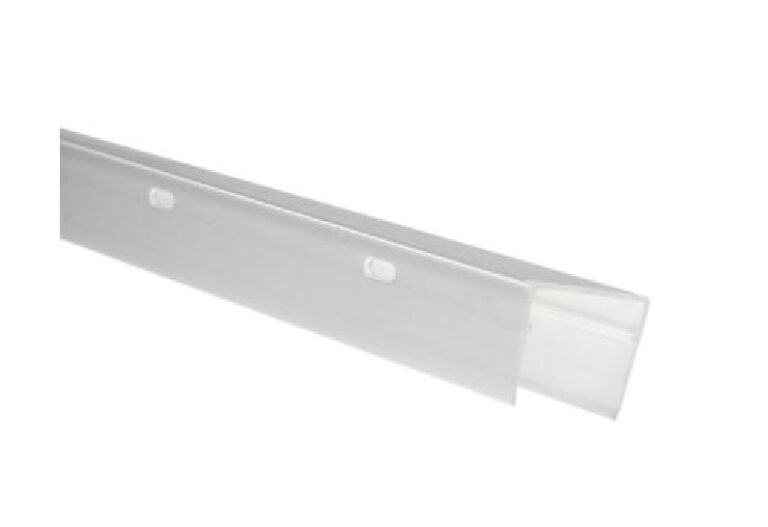
Yes. Our snapdown rafter bars come in white, brown and grey: Sunwood in white and brown, Exitex in white, grey and brown. The heavy duty self-supporting bars come in white and brown, with wall plates and eaves beams also in grey. F-sections and sheet closures come in white, brown and grey too, so you can finish the whole roof in one shade.
Use a glazing bar capping removal tool. Take off any end caps first, then slide the tool's blade between the capping legs and the aluminium upstand and lift to free the cap from its base. Lift the sheet out; the base stays screwed to the rafter. Controlled pressure can slide a cap off without the tool, but it may disturb the sheets.